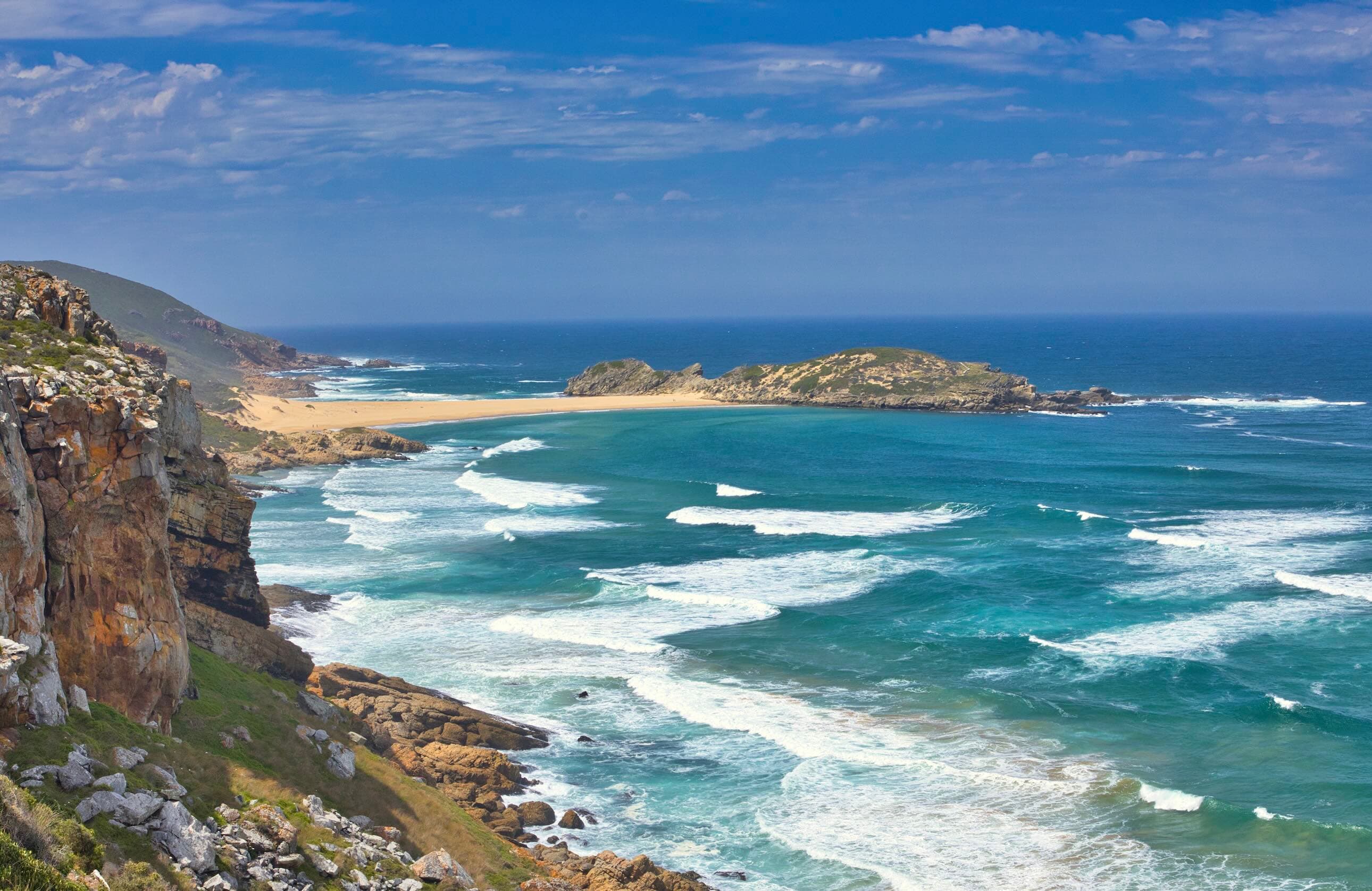

Planning the perfect Cape Town itinerary for 7 days can be overwhelming—the city offers everything from rugged mountain peaks to world-class vineyards. We saved the this city for the grand finale of our six-week South African adventure, and it did not disappoint. Whether you’re looking for dramatic scenery on Table Mountain, close encounters with penguins at Boulders Beach, or a glass of Pinotage in Franschhoek, a week is the ideal amount of time to soak it all in. In this guide, I’ll share our exact day-by-day route, safety essentials, and a realistic budget for your trip.
If you are planning a trip to South Africa, most visitors pair Cape Town with a safari in Kruger National Park, and we would highly recommend doing the same. Check out our blog post explaining everything you need to know for visiting Kruger. You don't need to drive between them, as we did, there are plenty of daily flights between Johannesburg and Cape Town.
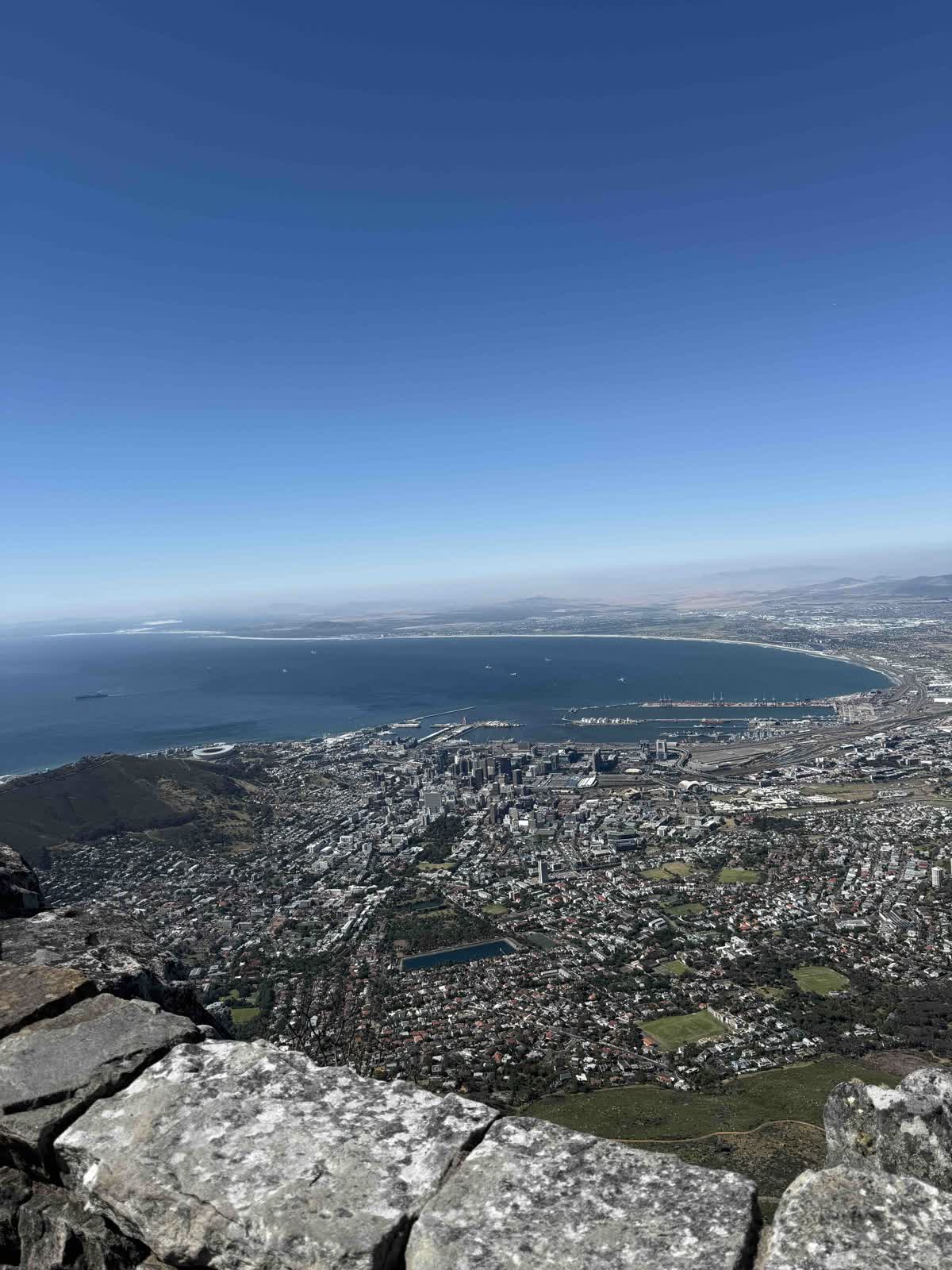
View from the top of Table Mountain

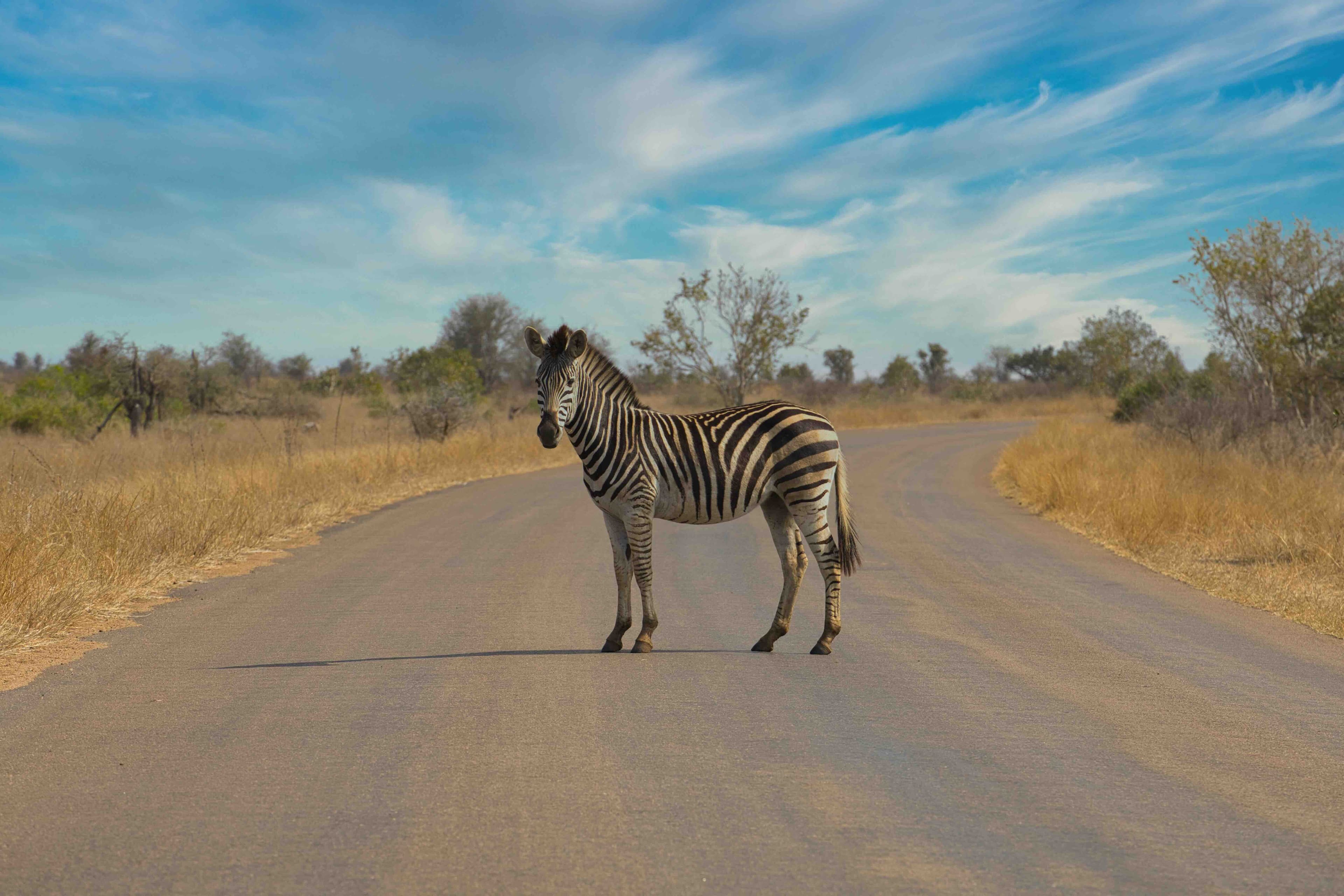
Giraffes on the West Coast safari
We rented a car during our stay, and having a car gave us the flexibility to explore at our own pace and reach more remote spots like Boulders Beach and the West Coast National Park. Driving in Cape Town is straightforward, we didn't find that other drivers were aggressive, and once you were out of the city it's just like driving on country roads. If you do decide to rent a car just make sure to find accommodation with secure parking as car break-ins are common.
It's not required to have a rental car, I would say most people we met didn't have one, but it definitely made our trip easier. You can easily take Ubers to all the major attractions, and most tours will provide pickup and drop-off from your accommodation at an extra cost.
This is often the first question we get when someone hears we went to South Africa. We felt pretty safe for most of our trip, but that's because we followed a few simple rules. Crime is by and large opportunistic, rather than premeditated, so taking these three precautions seriously will keep you safe and you won't have to worry during your stay.
-
Don't walk at night. It's not safe to walk around Cape Town after dark. If it's more than a 5 minute walk back from a restaurant, take an Uber.
-
Don't take taxis, only Ubers. These are the recommendations locals make due to safety concerns and robbery risks.
-
Keep valuables out of sight. Hide cameras, phones, and bags when walking. In your rental car, lock everything in the trunk or glove compartment, nothing should be visible from outside.
For more details, check out the safety section in our Southern Africa Blog Post .
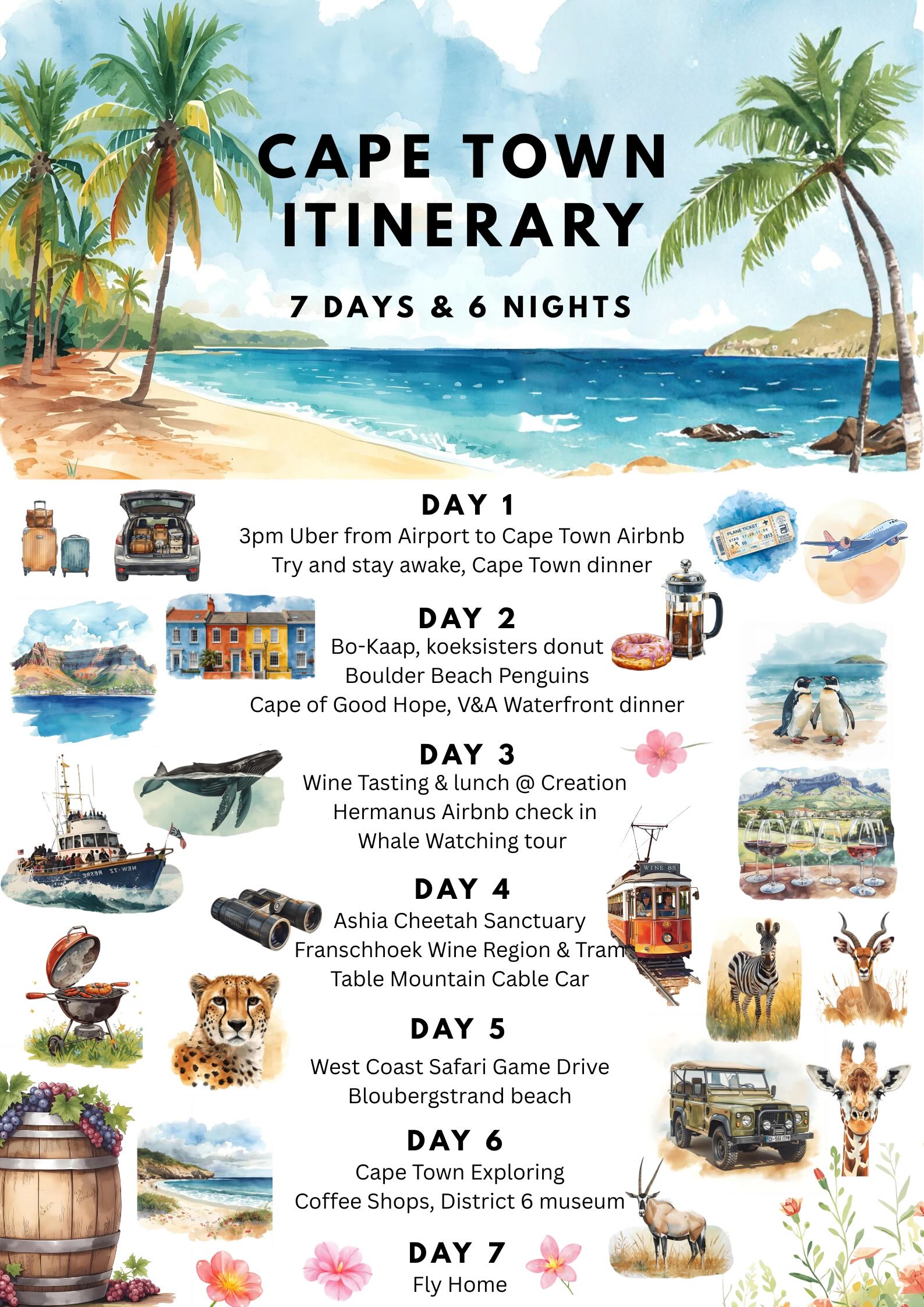
Cape Town can be done on a range of budgets, from backpacker hostels and street food to luxury hotels and fine dining. We aimed for a mid-range budget, staying in Airbnbs, having breakfast at home and doing a variety of budget and more expensive activities.
Here's a breakdown of our costs for two people over seven days and six nights:
| Budget Category | Cost for 2 people |
|---|---|
| Accommodation | $880 CAD |
| Food | $454 CAD |
| Rental Car | $200 CAD |
| Gas | $128 CAD |
| Activities | $513 CAD |
| Total | $2,175 CAD |
We stayed in an absolutely beautiful Airbnb in Cape Town's City Center for most of the week. This area is centrally located with lots of shops and museums within walking distance and close to the Table Mountain cable car. During the day, the area felt very safe and vibrant with the bustle of a crafts and souvenirs market on our doorstep. At night, we noticed the visible effects of Cape Town's housing crisis and economic inequality, with many people sleeping in the streets. While we never had any issues, we strongly recommend taking Ubers after dark rather than walking, especially as we were unfamiliar with the area.
My recommendation would be to stay in the Sea Point or Green Point neighborhoods.
Sea Point: This area is right along the coast with beautiful views of the ocean and Table Mountain. There are lots of great restaurants, cafes, and shops within walking distance.
Green Point: This neighborhood is close to the V&A Waterfront and has a lively atmosphere with plenty of dining and entertainment options. It's also within walking distance to the city center, and a quick Uber ride from Table Mountain.
Camps Bay: If you want to be right on the beach, Camps Bay is a great option. It has stunning views, beautiful beaches, and a variety of restaurants and bars. However, it is a bit further from the city center.
Our flight landed in Cape Town, and after picking up our luggage, we drove about 30 minutes to our Airbnb to drop off our bags. We kept things simple on arrival day, exploring the neighborhood and finding a spot for dinner. You will likely be getting over jet lag when you arrive, so taking it easy is a good idea.
🗺️ Google Maps List: I've saved all our favourite places on this list, from restaurants, to wineries and sightseeing spots.
We packed a lot into our first full day exploring the Cape Peninsula. We started the day early in Bo-Kaap, the famous neighborhood known for its brightly colored houses. We stopped to take photos, grab a coffee and try koeksisters, a traditional South African syrup-soaked donut, from Lekka Coffee Co. Then it was off to Boulders Beach!
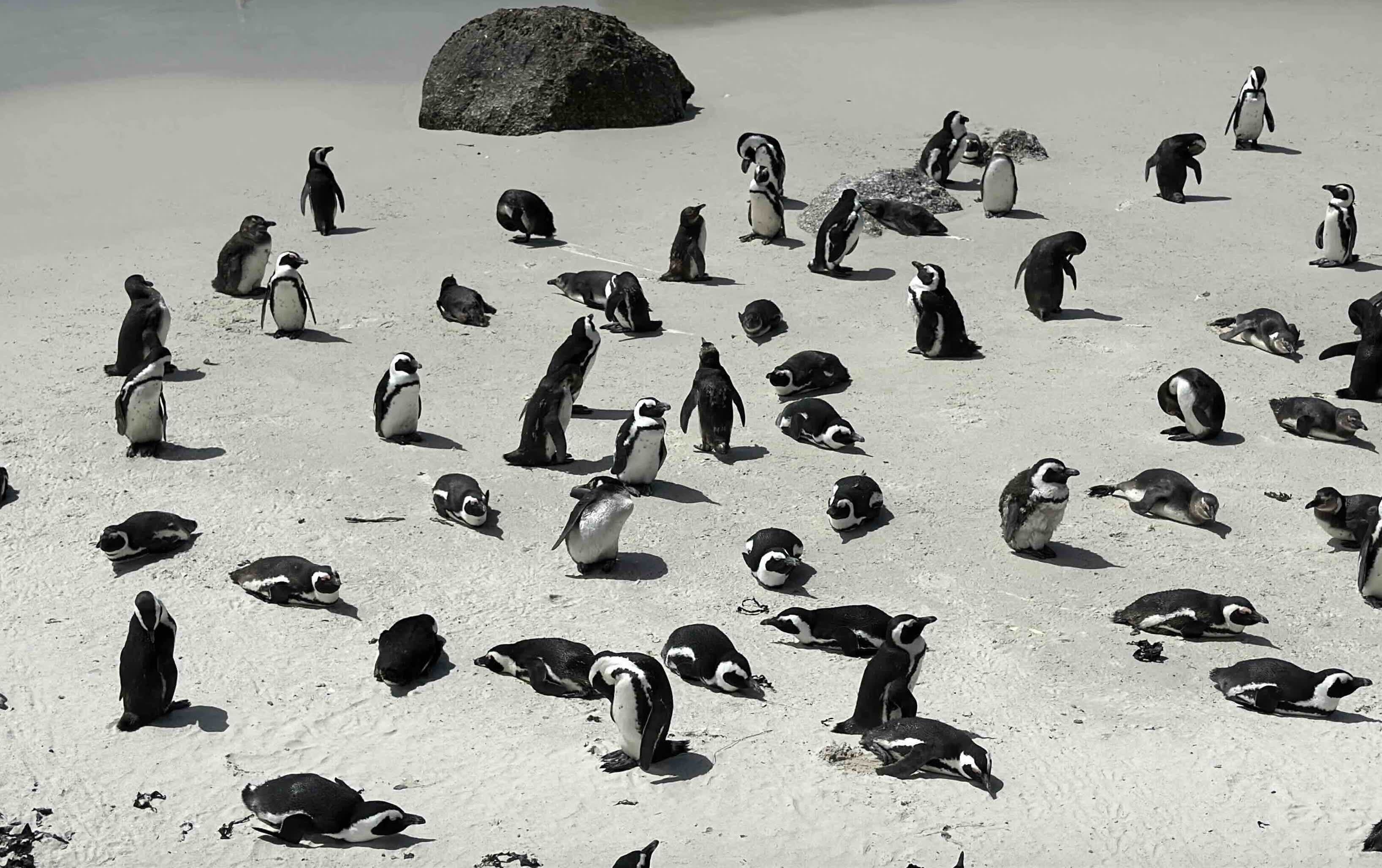
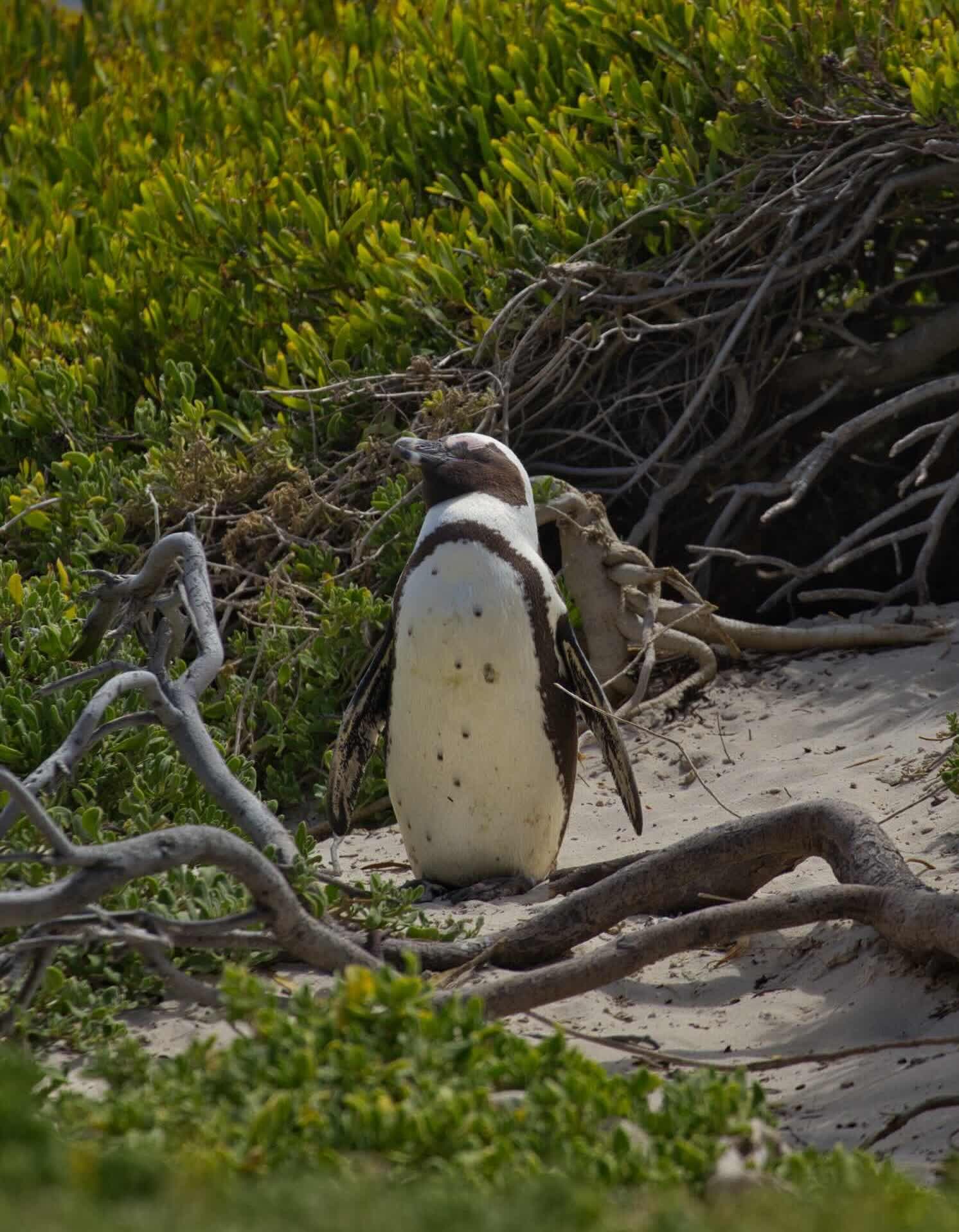
Boulders Beach Penguins: Arrive early, before 10am, to see the famous African penguin colony. These little penguins waddle around the beach and nest in the boulders, completely unbothered by human visitors. The beach has boardwalks that take you right through the colony, and this is the closest you can get. If Boulders is too crowded, there's another viewing spot at Cape Point, but Boulders is worth it for the up-close experience. Entrance fee: 245 ZAR / $21 CAD
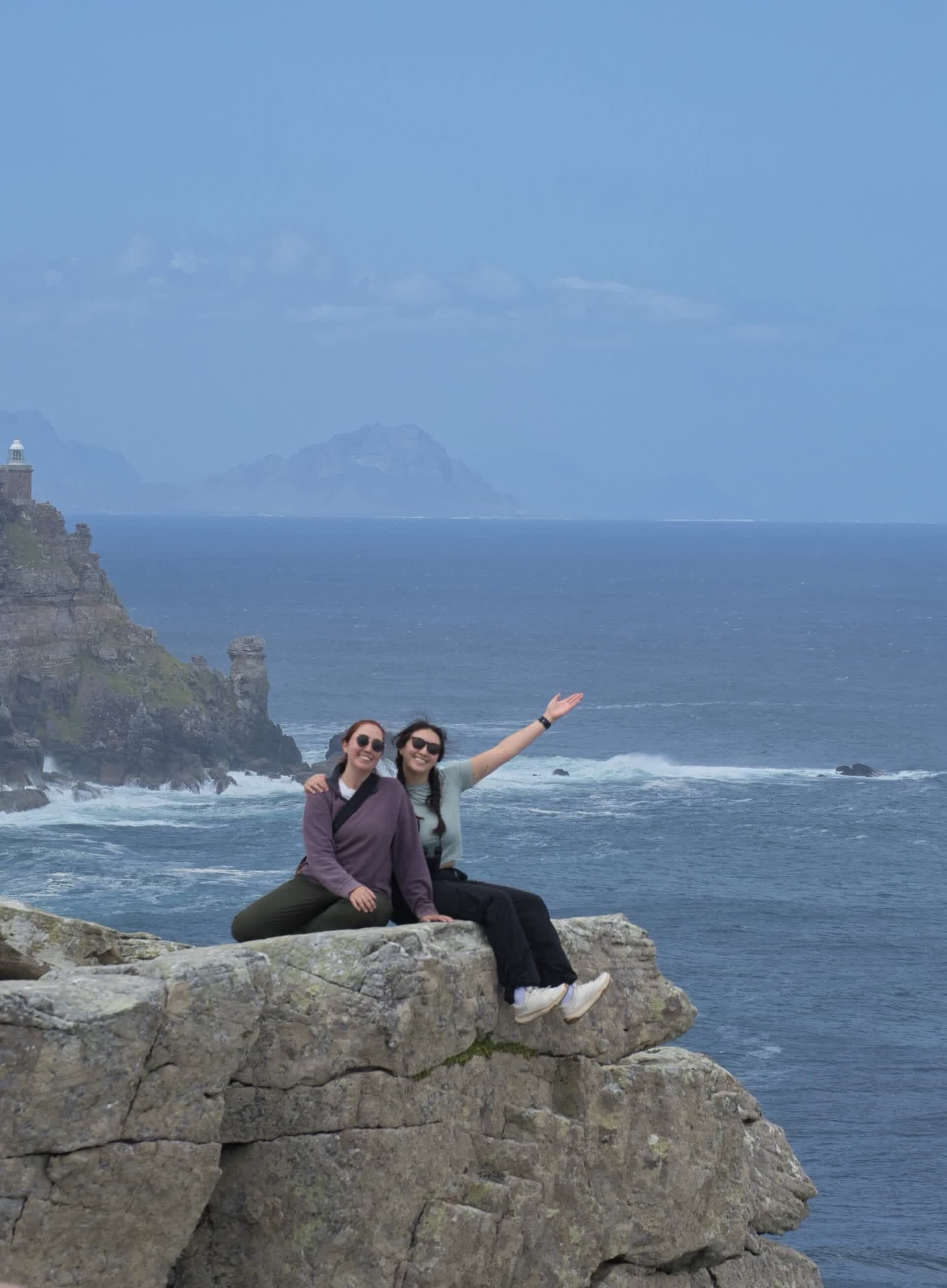
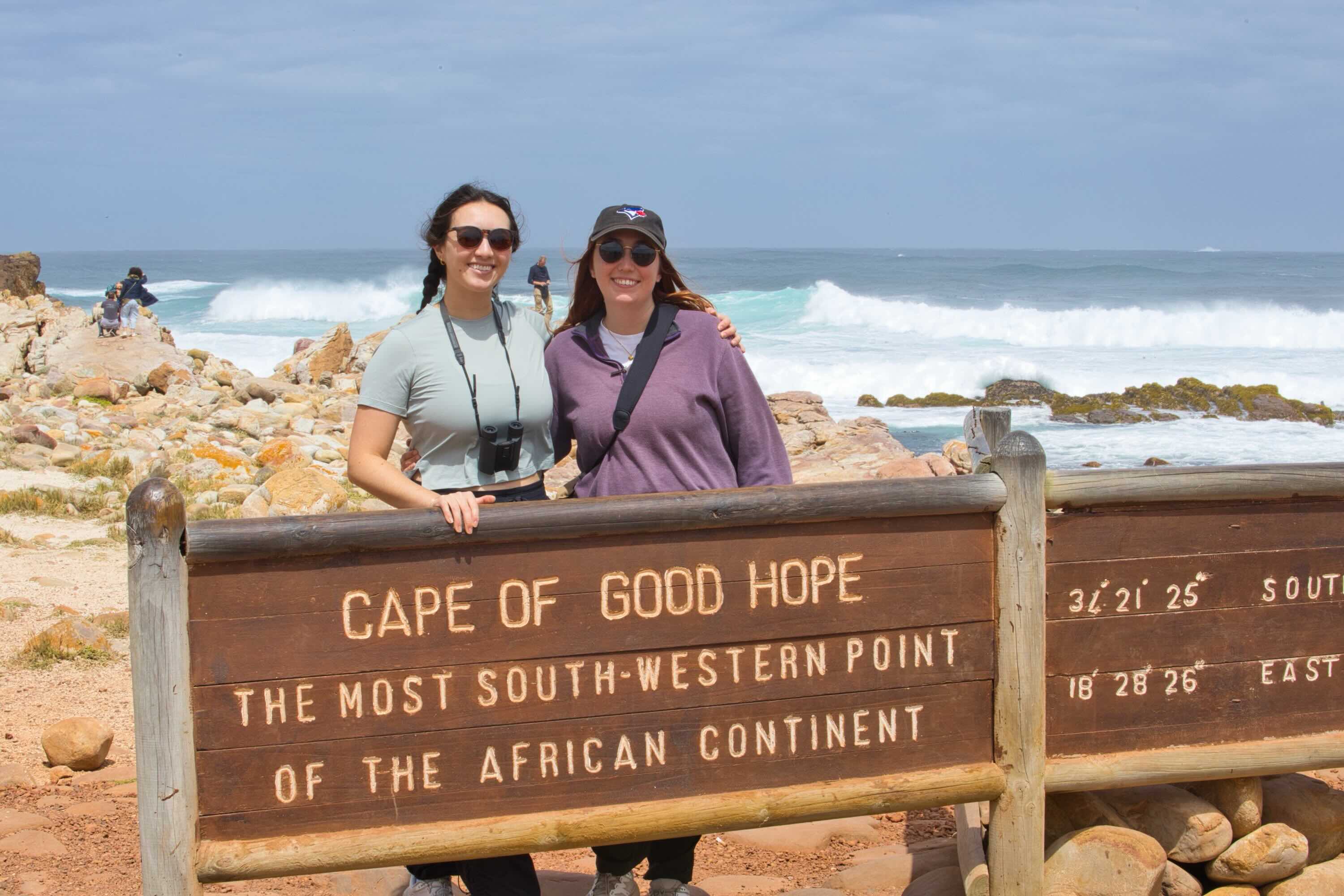
Cape of Good Hope: Often mistakenly called the southernmost point of Africa (that's actually Cape Agulhas), this national park has dramatic scenery, with rugged cliffs dropping into the ocean. You can hike up to the old lighthouse for panoramic views or take the funicular. We saw ostriches, elands and tons of birds in the reserve. Entrance fee: 400 ZAR / $35 CAD
V&A Waterfront: One of Cape Town's main tourist hubs, with shops, restaurants, and harbor views. It's touristy but well done, and the setting with Table Mountain as a backdrop is beautiful. We grabbed dinner here while watching the sunset, and visited the seals resting on the docks. There's also a lot of security here, so it's pretty safe to walk around after dark.
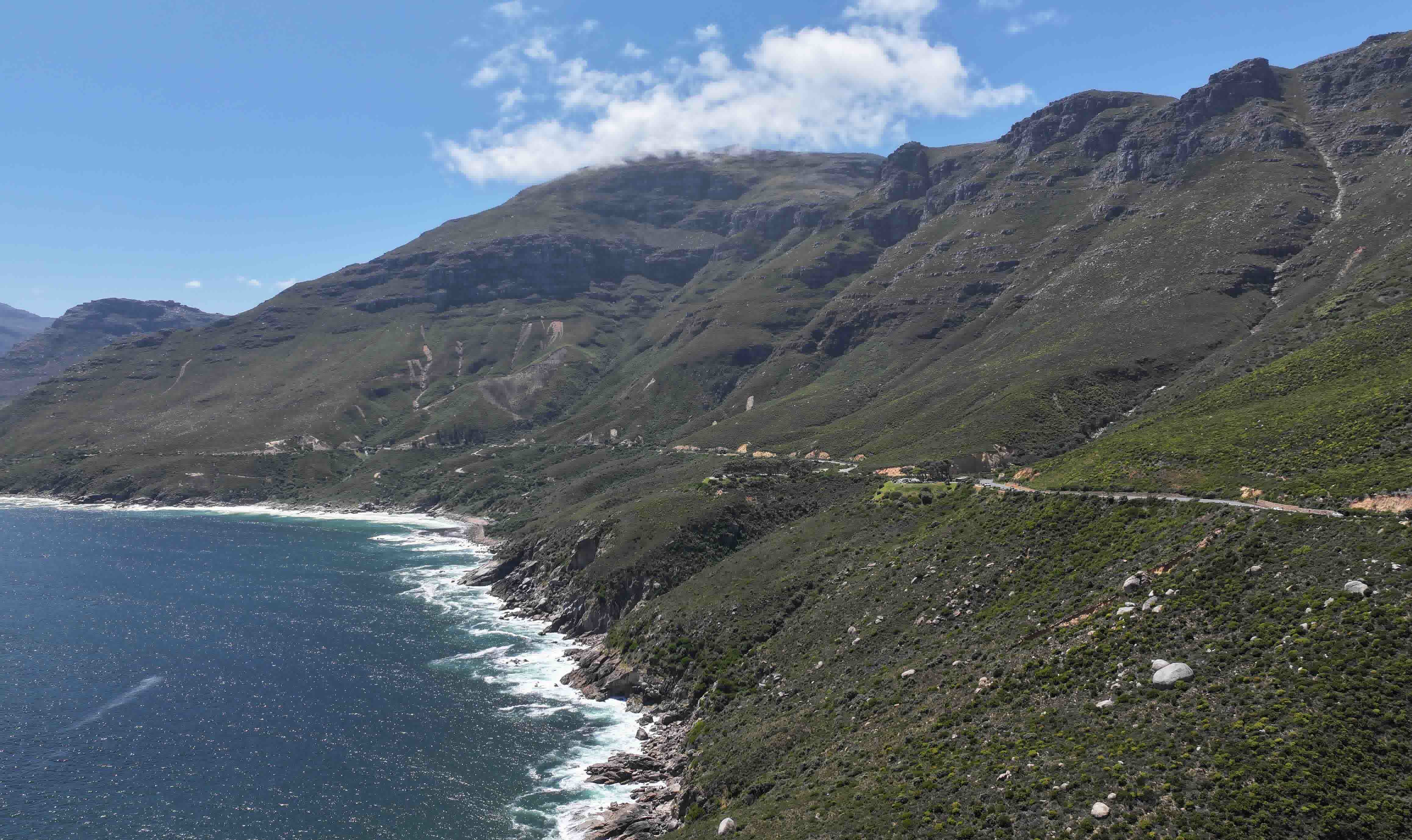
Chapman's Peak Drive: Drive this road on the way to Hermanus. It's known as the world's most scenic marine drive featuring 180-degree views and sheer cliff drops. It is a toll road but the price is very reasonable. Note that it's a detour from the most direct route to Hermanus, it adds roughly 30 to 45 minutes, but it's well worth it.
Creation Wines: We stopped for lunch and a wine tasting at Creation Wines around 12:30pm. This winery offers incredible views over the Hemel-en-Aarde Valley and has an excellent food and wine pairing experience.
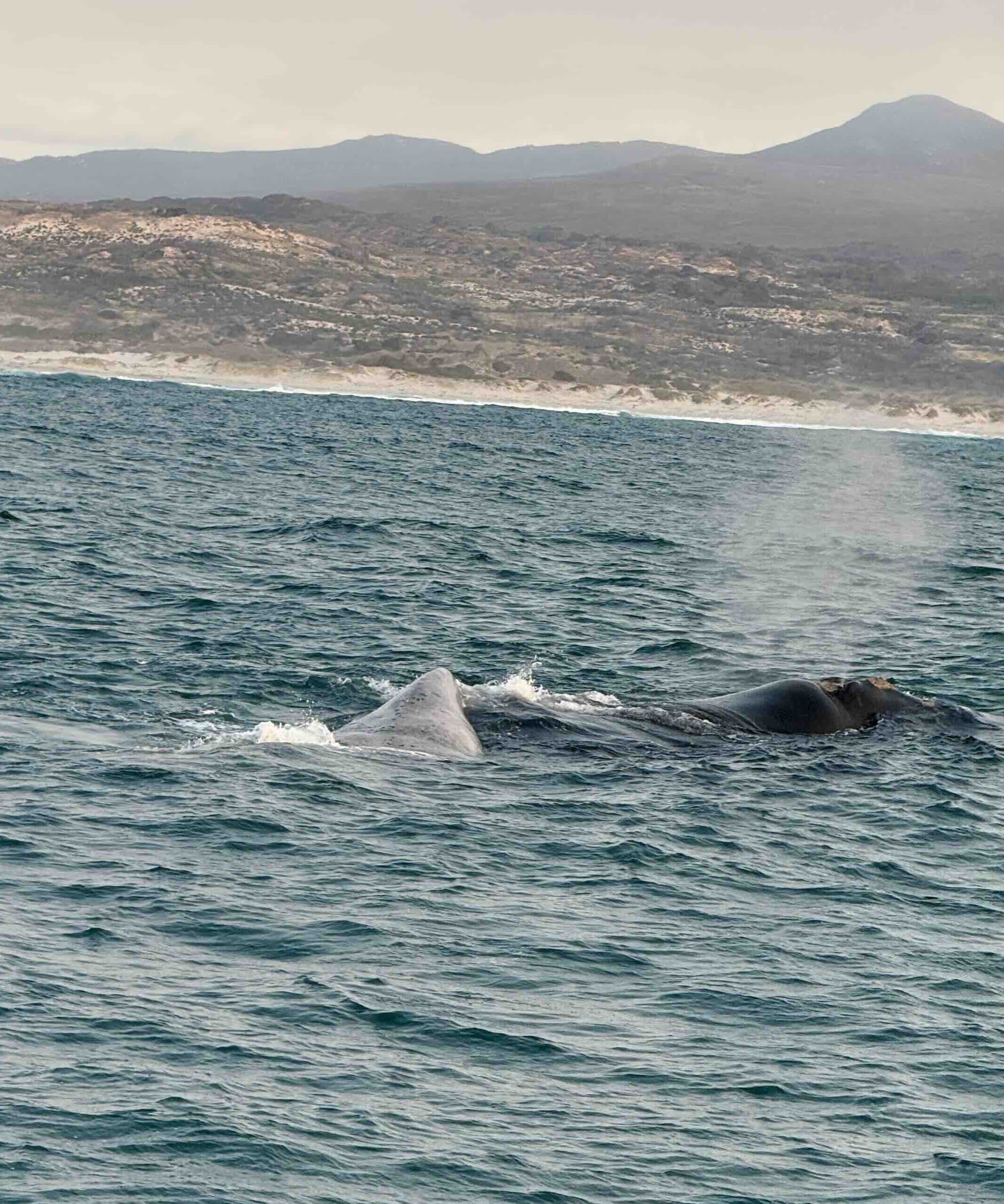
Whale Watching Tour: We booked a tour with Southern Right Charters and would highly recommend them. We saw a mother with her calf swimming alongside the boat, and then watched the sunset before returning.
We were in Cape Town in late October, the end of Southern Right whale season, so seeing whales was a key bucket list item for us. We drove just under 2 hours southeast to Hermanus, known as one of the best whale watching destinations in the world. We recommend you get a morning tour, but they sell out really quickly so book well in advance. We could only get an evening tour, and it isn't safe to drive on country roads at night, so we booked an airbnb in Hermanus for one night.
We left Hermanus early for another big day of wine and animals before returning to Cape Town.
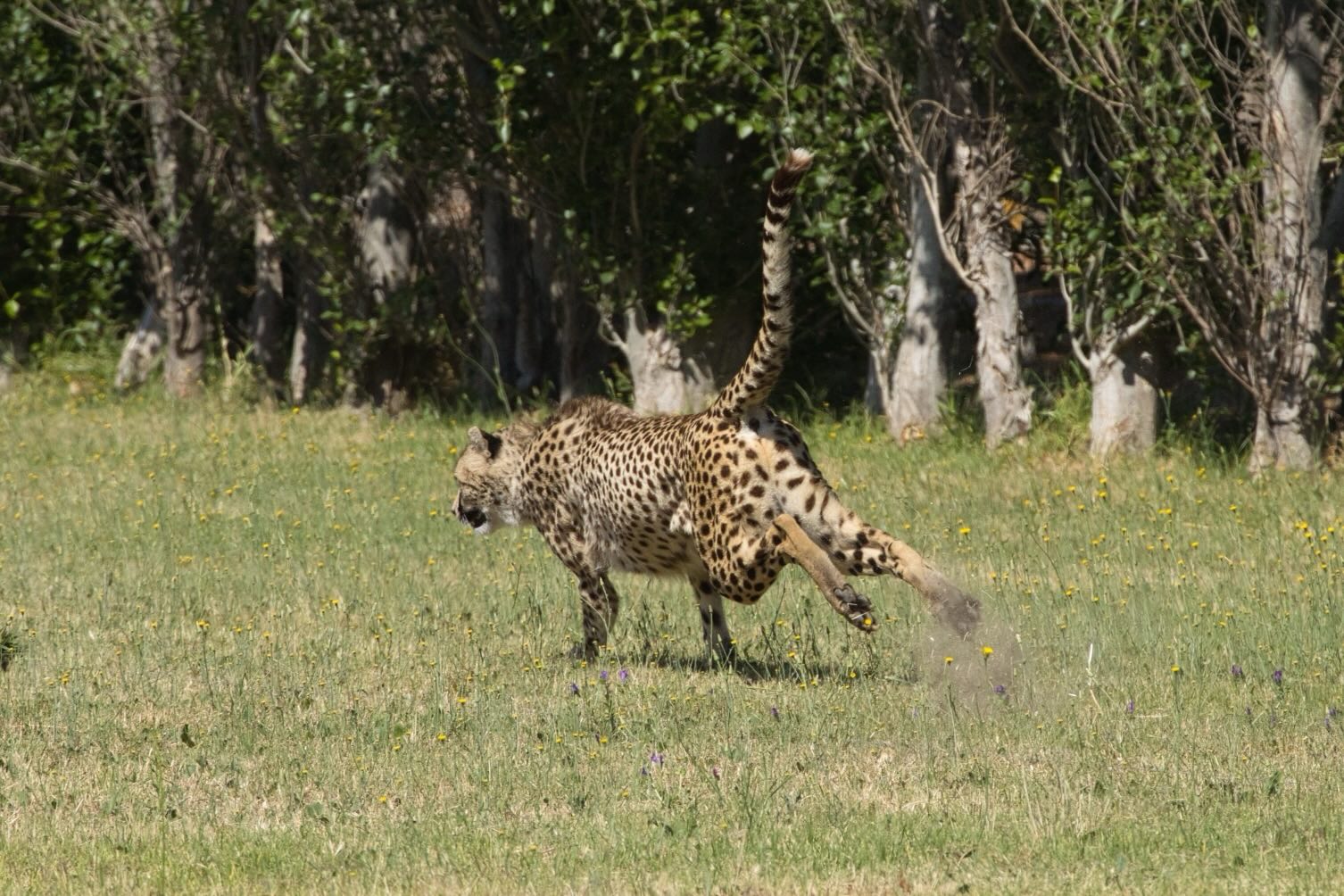
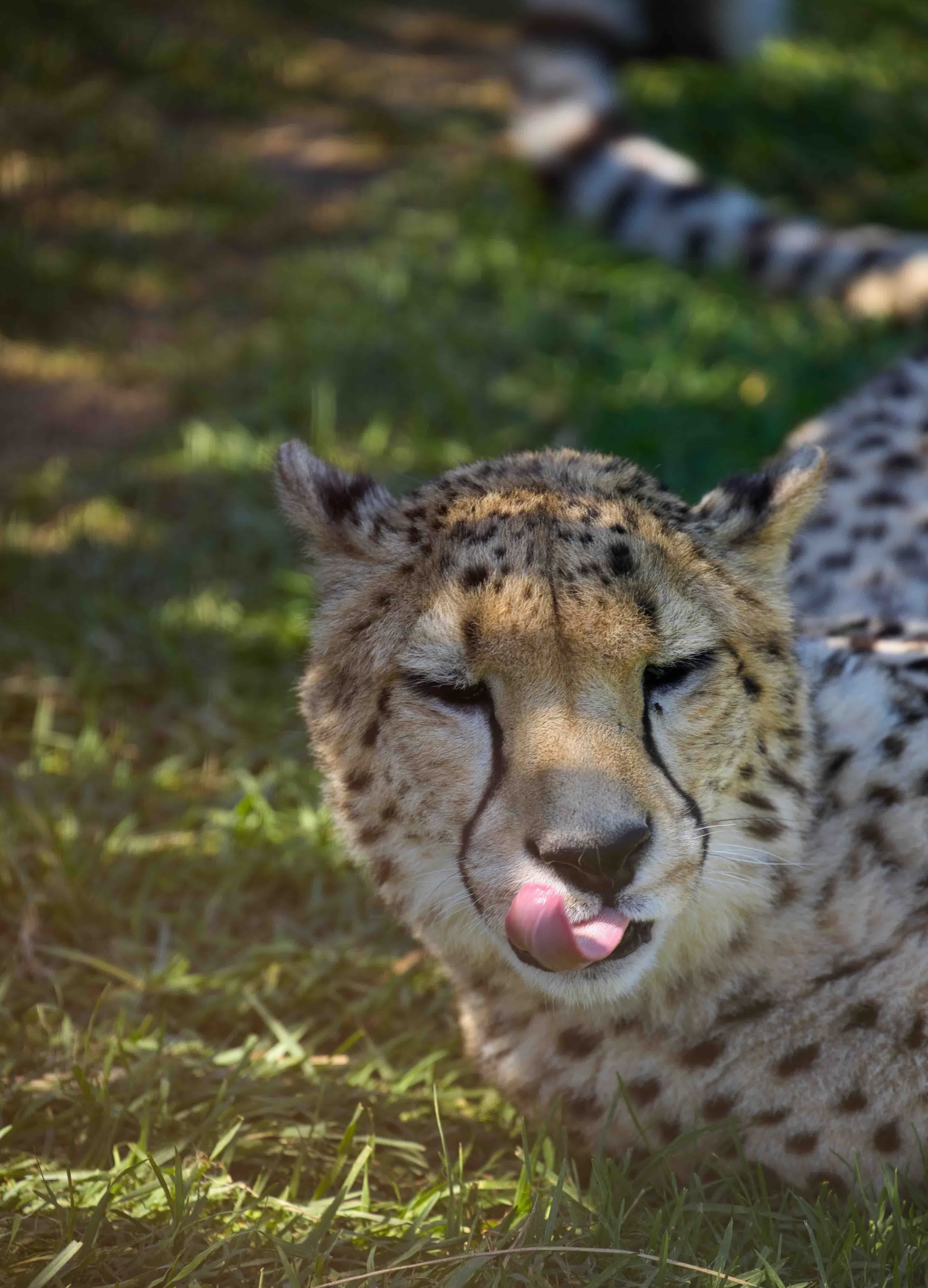
Ashia Cheetah Sanctuary: This ethical sanctuary focuses on cheetah conservation and re-integration. Their main goal is to help increase the genetic diversity of cheetahs in the wild, and they coordinate with parks and reserves across South Africa, Namibia, and Botswana. The highlight is watching the cheetahs sprint for their morning exercise. They make sure the cheetahs stay in shape so they can be reintroduced to the wild, and also to provide some mental stimulation. They only run tours a few times a week so be sure to check the schedule. It is a rare experience to get so close to cheetahs, and we felt it was well worth the trip.
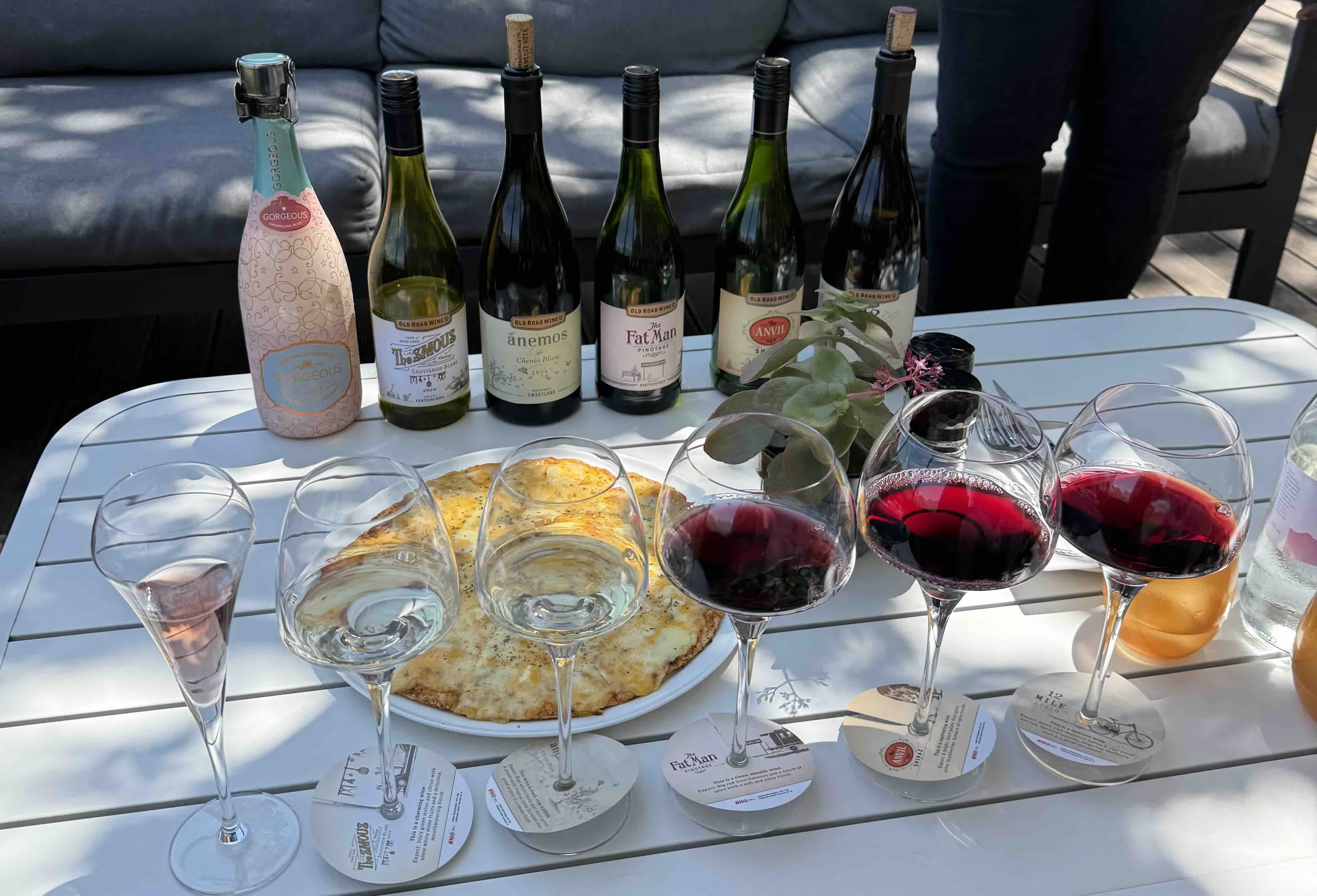
Wine Region: After the sanctuary, we drove about 30 minutes to Franschhoek, one of the most beautiful towns in the Wine region. We explored various wineries in the area, tasting excellent wines with mountain views. The town itself is charming with great restaurants and cafes.
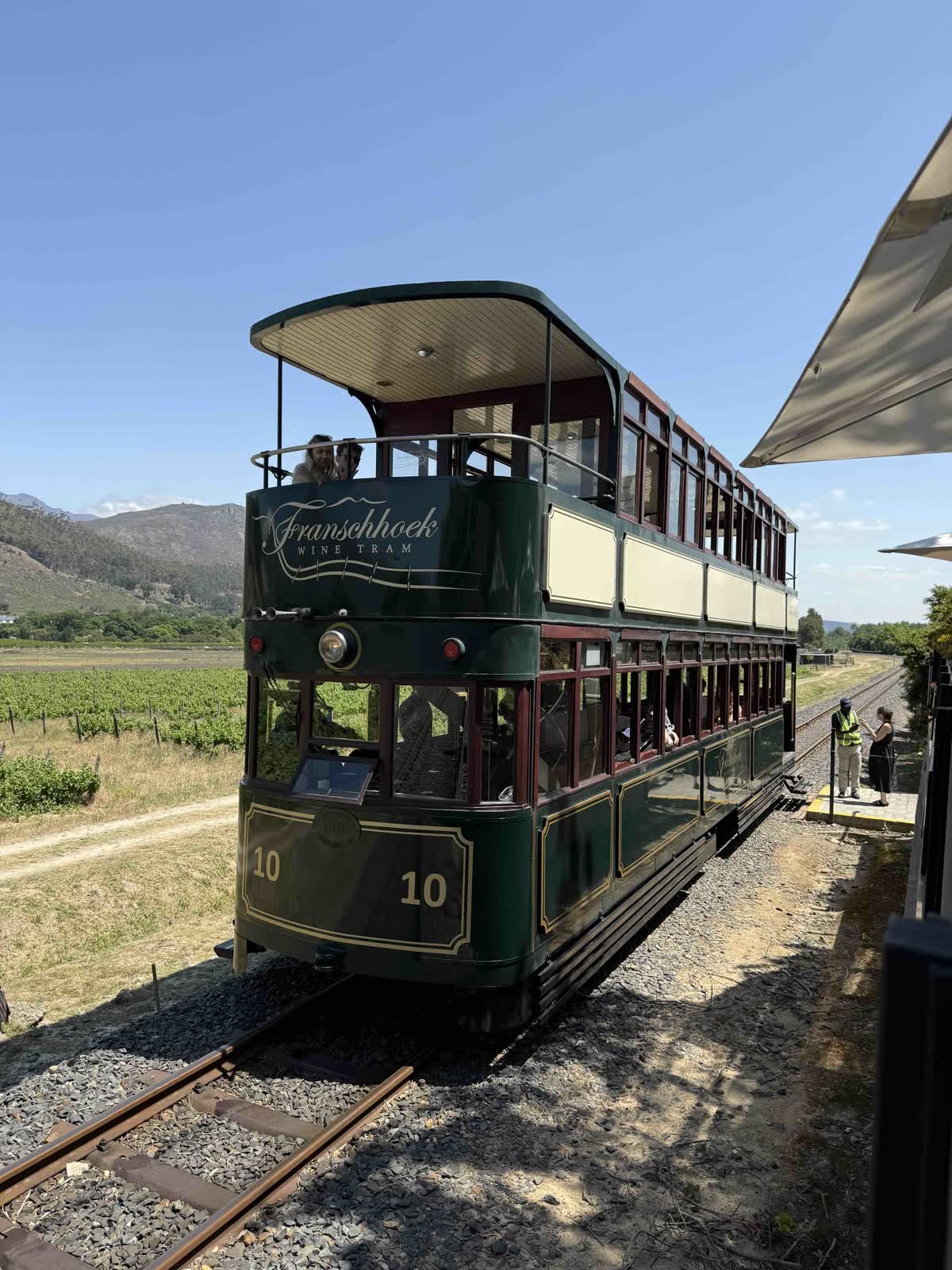
Wine Tram: In Franschhoek there is the "Wine Tram", a hop-on-hop-off tram and bus that connects several wineries. It is a very popular experience and definitely a highlight. You can also take a bus from Cape Town so you don't have to spend the night. You can book the bus here.
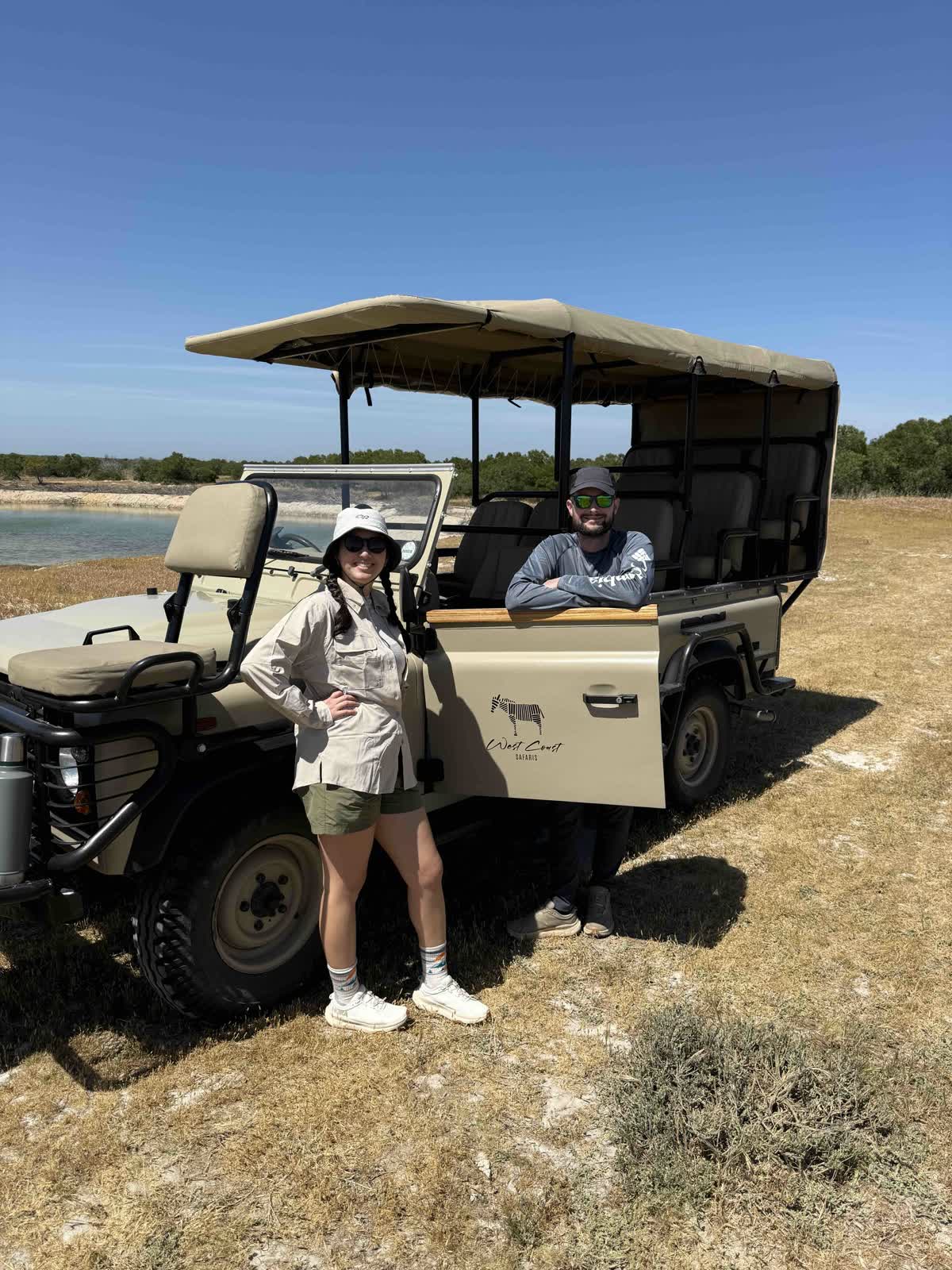
We wanted to find a safari park where the animals are roaming free on a private reserve or national park, but still a day trip from Cape Town. Most of the major parks are a 3 or more hour drive from Cape Town, which means a super early morning or you need to stay the night. We came across West Coast Safari and it met all our requirements, so we did a 3 hour morning safari.
West Coast Safari: Just a one hour drive from Cape Town, and the private reserve has free-roaming animals including giraffes, zebras, ostrich, buffalo, various antelope species, and more. They also have really nice accommodation so you could spend the night in the middle of their reserve with animals roaming around.
West Coast National Park: Around 30 minutes from West Coast Safari is the marine and coastal park known for its wetlands and birdlife. It's a great place to hike and kayak.
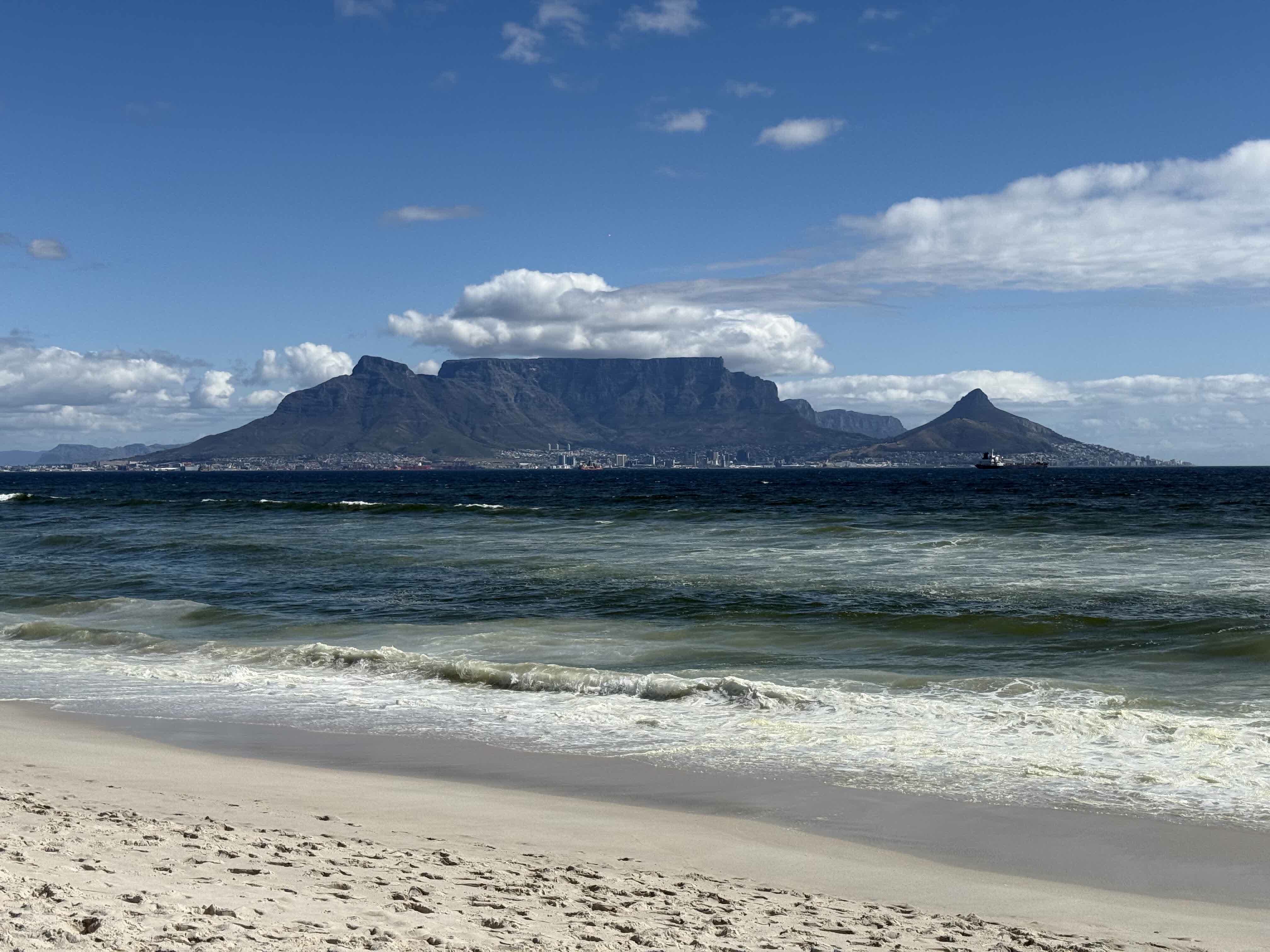
Bloubergstrand Beach: This beach is famous for having the iconic postcard view of Table Mountain across Table Bay. We also enjoyed a generous portion of ice cream while there.
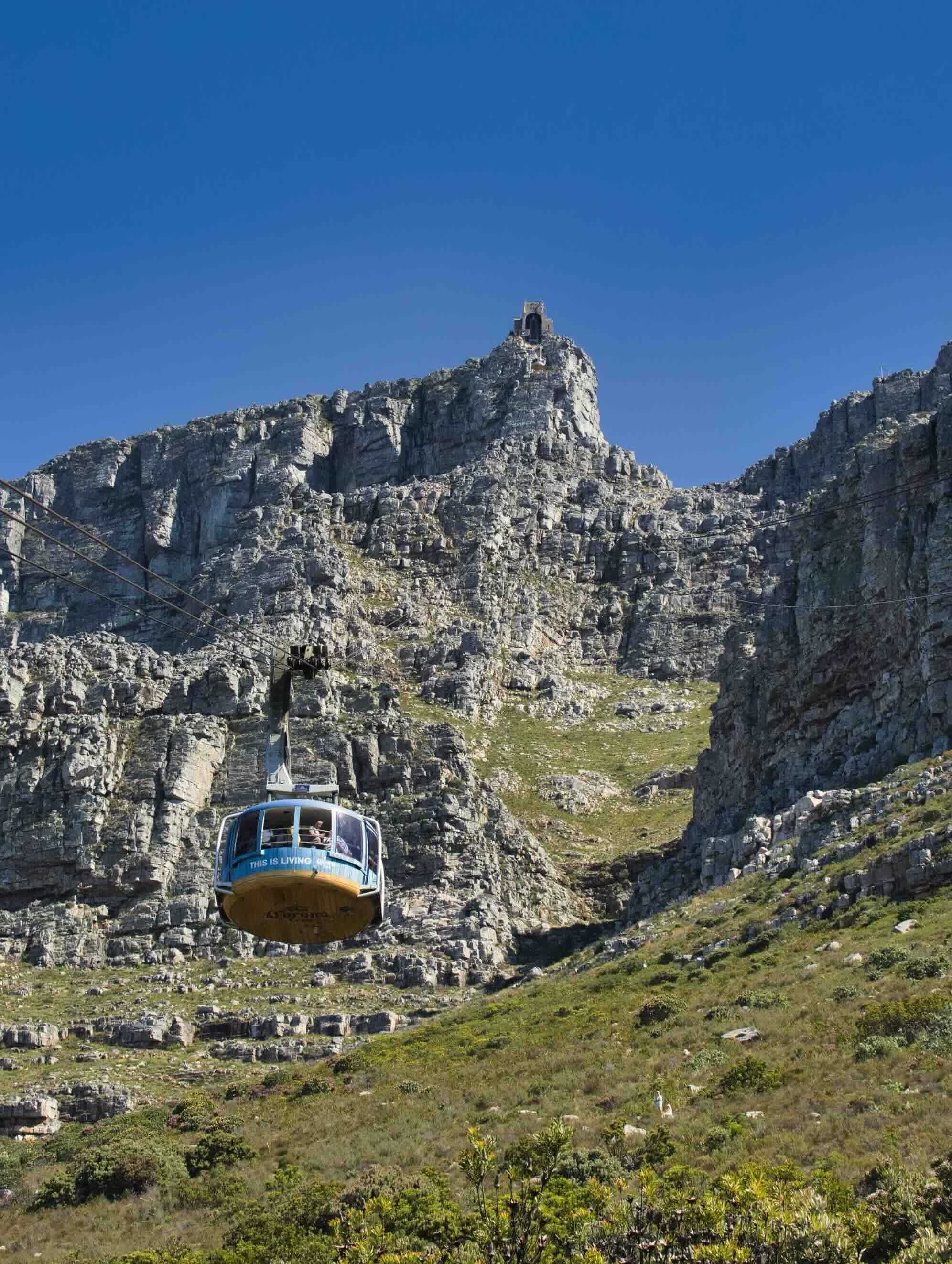
Table Mountain Cableway: Take the cable car up to the top of Table Mountain for an iconic view of Cape Town. Keep wind conditions in mind because they do close the cableway when it gets too windy. The summit is over a kilometer higher than the city, so it is noticably colder at the summit, and the strong Atlantic wind can be bone-chilling. So check the summit weather in advance and dress appropriately.
We left this day mostly unplanned to explore Cape Town itself at a relaxed pace.
Coffee Shops: Cape Town has an incredible coffee culture. We spent the morning at Truth Coffee Roasting, a unique steampunk themed cafe where you order from a newspaper style menu with lots of nooks to read or chat in.
Beaches: Cape Town is known for its beautiful beaches. Camps Bay Beach is the most famous, with its white sand, turquoise water, and dramatic Twelve Apostles mountain backdrop. Clifton has four small beaches (numbered 1-4) that are sheltered from wind. The water is cold, but the scenery is beautiful.
District Six Museum: This museum tells the painful history of District Six, a vibrant multi-racial neighborhood that was destroyed during apartheid where 60,000 residents forcibly removed, and their homes razed to dust. It's a powerful and important museum that provides context for understanding Cape Town and South Africa's apartheid history.
Other Options: We considered visiting Robben Island, where Nelson Mandela was imprisoned for 18 years, but weren't able to get tickets. If you're interested, book well in advance as tours are small and sell out quickly.
We packed up and headed to the airport for our flight home. Cape Town International Airport is about 20–30 minutes from the city center, but allow extra time during morning rush hour. If you have time before your flight, the V&A Waterfront is a great last stop for coffee or a final meal.
Cape Town is a year-round destination, but the "best" time depends on your priorities. For beach weather, aim for December to February (though it can be very windy). For whale watching in Hermanus, visit between July and November. We visited in late October and found it to be the perfect shoulder season.
While the West Coast Safari is a fantastic day trip, it is not a "Big Five" reserve (Lion, Leopard, Rhino, Elephant, and Buffalo). If seeing the Big Five is your priority, we recommend pairing Cape Town with a flight to Kruger National Park.
Seven days felt like a good amount of time to see the main highlights without feeling rushed. However, you could easily spend two weeks exploring Cape Town and the surrounding region if you want to include more of the Garden Route.
Compared to Europe or North America, Cape Town offers excellent value for money. As you can see in our budget breakdown, you can have a high-end experience for a mid-range price.
Weather: Cape Town can be windy, especially in summer. The wind doesn't ruin the experience but can impact activities like Table Mountain cable car (it closes in high winds).
Day Trips: Most major attractions are within 1-2 hours of the city, making Cape Town perfect for day trips. Having a car gives you the most flexibility but taking Ubers is also possible.
Wine Tours: If you don't want to drive, there are excellent wine tour companies that will take you through Stellenbosch, Franschhoek, or the other wine regions.
Penguins: Go to Boulders Beach earlier in the day for smaller crowds. The penguins are active and adorable no matter what time you visit.
Cape Town exceeded all our expectations. The combination of natural beauty, wildlife, wine, food, and culture makes it one of the most well-rounded destinations we've visited. It was the perfect way to end our six-week Southern Africa adventure, and we left already planning our return. If you're looking to work remote or just go on vacation, it is really the perfect place with lots to do.