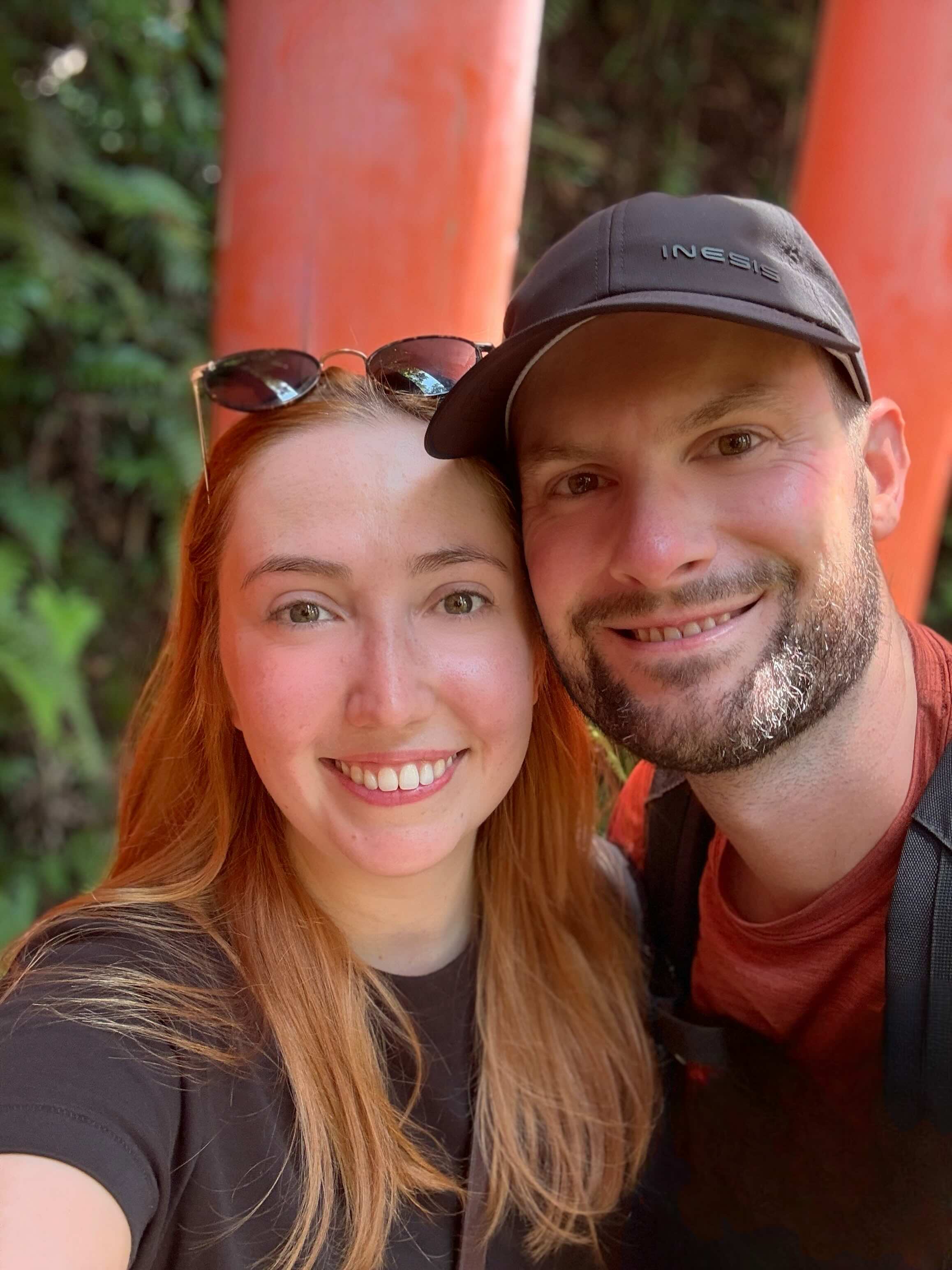
Planning your first trip to Africa’s most iconic wildlife destination? This Kruger National Park safari guide breaks down everything you need to know, from booking the best rest camps to navigating entrance fees and spotting the Big Five. We spent three nights self-driving through the park as part of our Southern Africa adventure, and the experience was life-changing. Whether you're wondering if you need a 4x4, how much a safari actually costs, or which camera lens to pack, we’ve compiled our first-hand experience and research to help you plan the perfect trip.
This guide breaks down everything you need to know before visiting Kruger, based on our experience and research. I'm covering the practical stuff: how to get there, what the costs actually are, whether you need expensive camera gear, and how to choose between the dozens of camps and lodges.
The closest airports to Kruger are:
-
Kruger Mpumalanga International Airport (KMIA): Located about 1 hour from the park's central areas, this is the most convenient option. The airport is small but handles both domestic and some international flights. From here, you can rent a car or arrange transfers to your camp.
-
Skukuza Airport: This tiny airport is actually inside Kruger National Park, right next to Skukuza Rest Camp. It's served by scheduled flights from Johannesburg and is incredibly convenient if you're staying in the southern/central part of the park. A round trip flight from Johannesburg will set you back about $300.
Flying into Kruger means you will need to have a tour already booked as you cannot rent a vehicle from inside the park.
We drove from Johannesburg to Kruger (Orpen gate), which took around 5 hours. The drive is straightforward on good roads. We recommend breaking up the drive by spending a night in the Panorama Route area (Graskop) before entering the park. This lets you explore the stunning Panorama Route and arrive at Kruger refreshed. Do not attempt to drive from Johannesburg to Kruger at night.
You don't need a 4x4 to explore Kruger, as most roads are paved and in excellent condition. The unpaved roads are optional and generally uncomfortable due to washboard gravel. There are no steep, sandy, or muddy sections where you'd need the additional traction that a 4x4 provides.
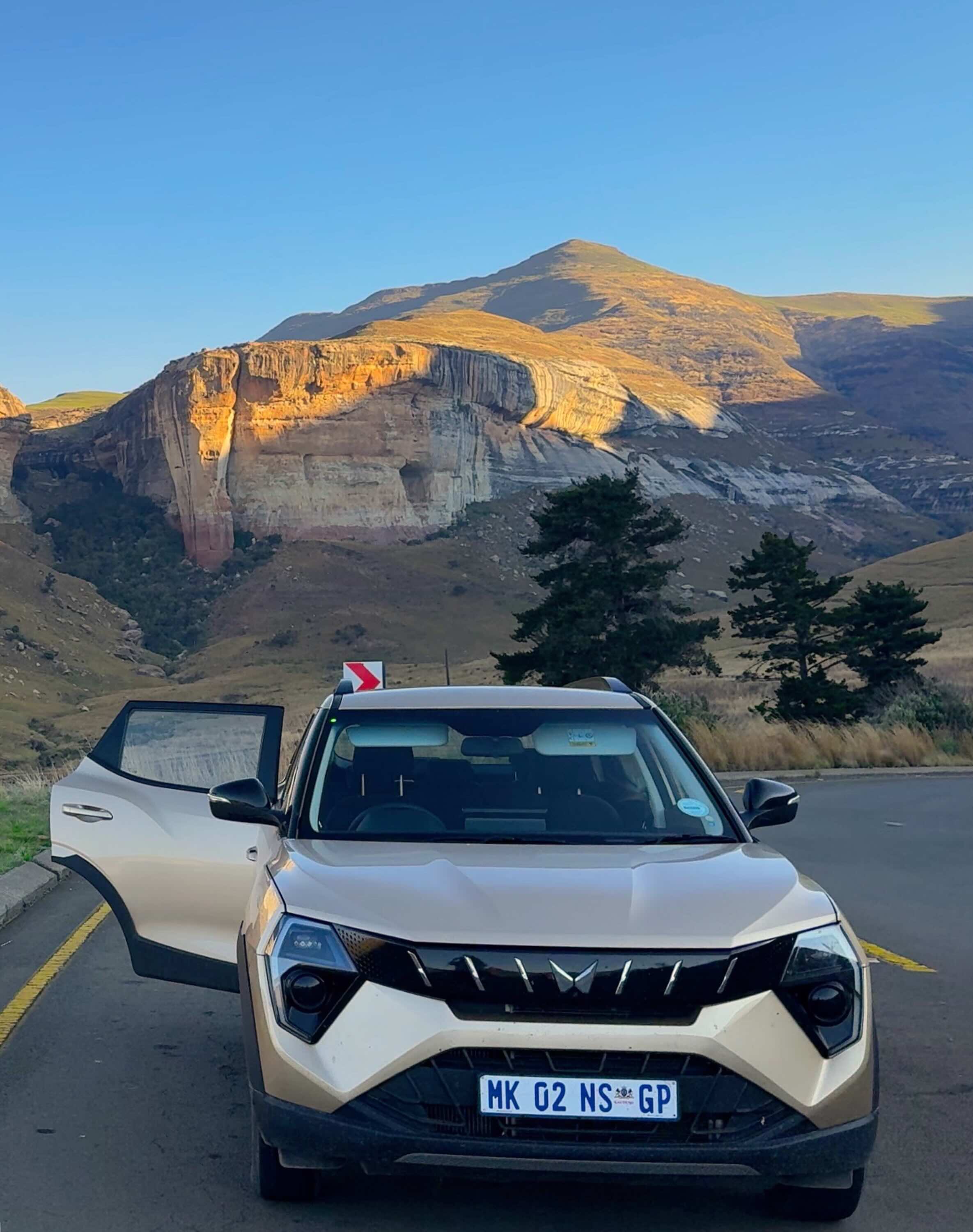
We would recommend a car with higher clearance so you can see over smaller cars. We rented the Mahindra XUV 3XO, a subcompact SUV crossover, and it was perfect.
International visitors pay approximately:
- R602 per adult per day ($50 CAD)
- R300 per child per day ($25 CAD)
These fees are paid at the gate when you enter each day. If you're staying multiple days, you'll pay this fee for every single day you remain in the park, which gets expensive fast. More details on fees can be found here.
If you're visiting Kruger for more than 3 days or planning to visit other South African national parks, the South African National Parks (SANParks) Wild Card is worth considering. International visitors can only purchase the All Parks cluster, more details can be found here. You also get a modest discount on accommodation in the park with the Wild Card.
Wild Card All Parks Cluster: (covers 81 parks including Eswatini, prices as of 2026)
- International individual: R4,680 per year ($400 CAD)
- International couple: R7,310 per year ($630 CAD)
- Full list of included parks can be found here
Is it Worth It?
For us, we planned to visit at least 10 parks throughout our 6 weeks in South Africa so the All Parks Cluster Wild Card made sense. Some of the other popular parks that are included in the All Parks Wild Card are Table Mountain National Park, Addo Elephant National Park, Boulders beach (penguins) and Cape Point.
So if two of you plan to spend more than 6 days in national parks, then the Wild Card is the cheaper option.
Kruger can be done on a range of budgets, and we did it on a mid-range budget. Here's a breakdown of our costs for 4 days in the park for two people:
| Budget Category | Cost for 2 people |
|---|---|
| Accommodation (3 nights) | $370 CAD |
| Kruger Entrance Fees (4 days) | $400 CAD |
| Rental Car | $110 CAD |
| Gas | $40 CAD |
| Activities (3 guided game drives) | $220 CAD |
| Food | $160 CAD |
| Gas | $40 CAD |
| Total | $1,300 CAD |
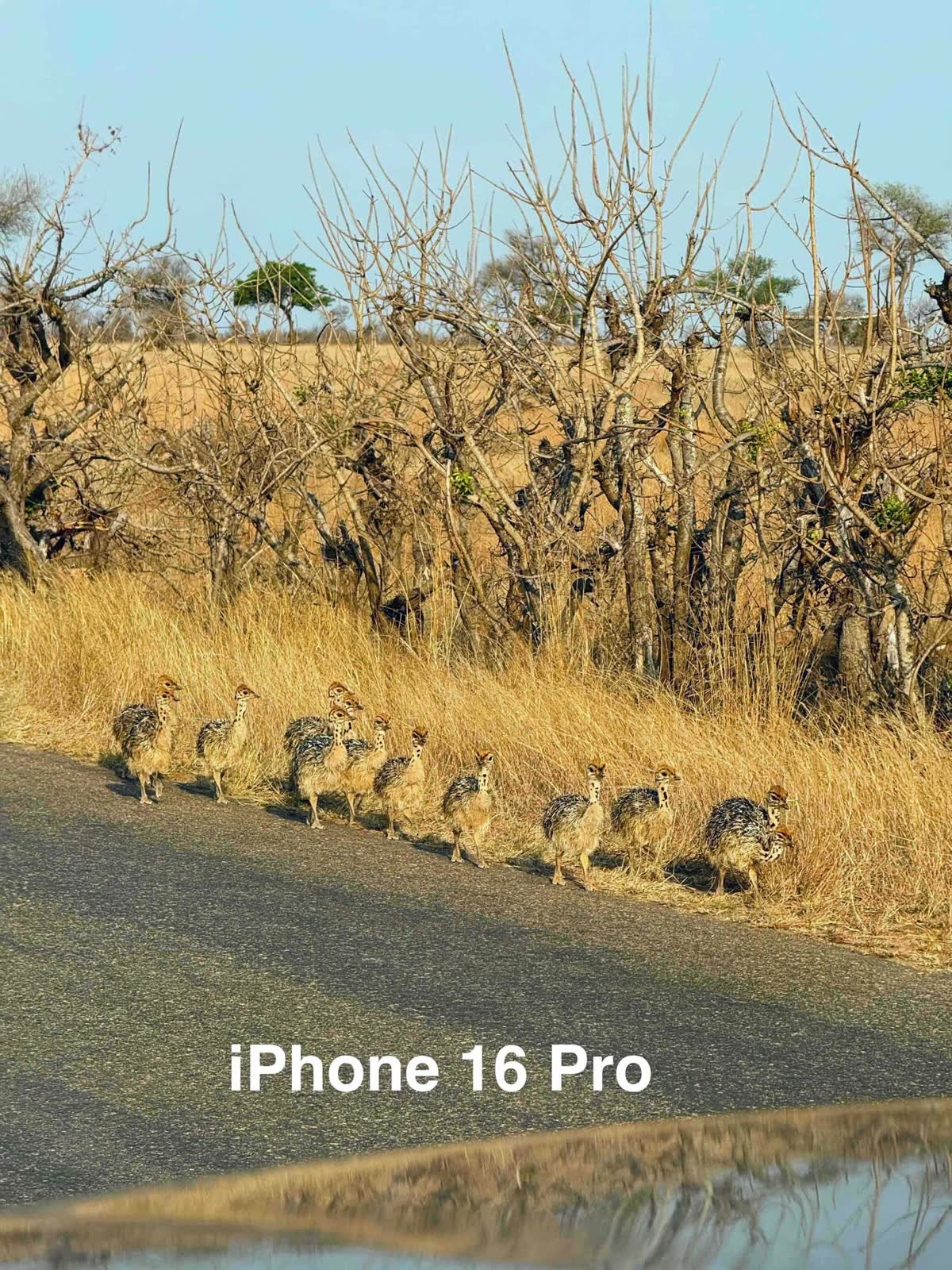
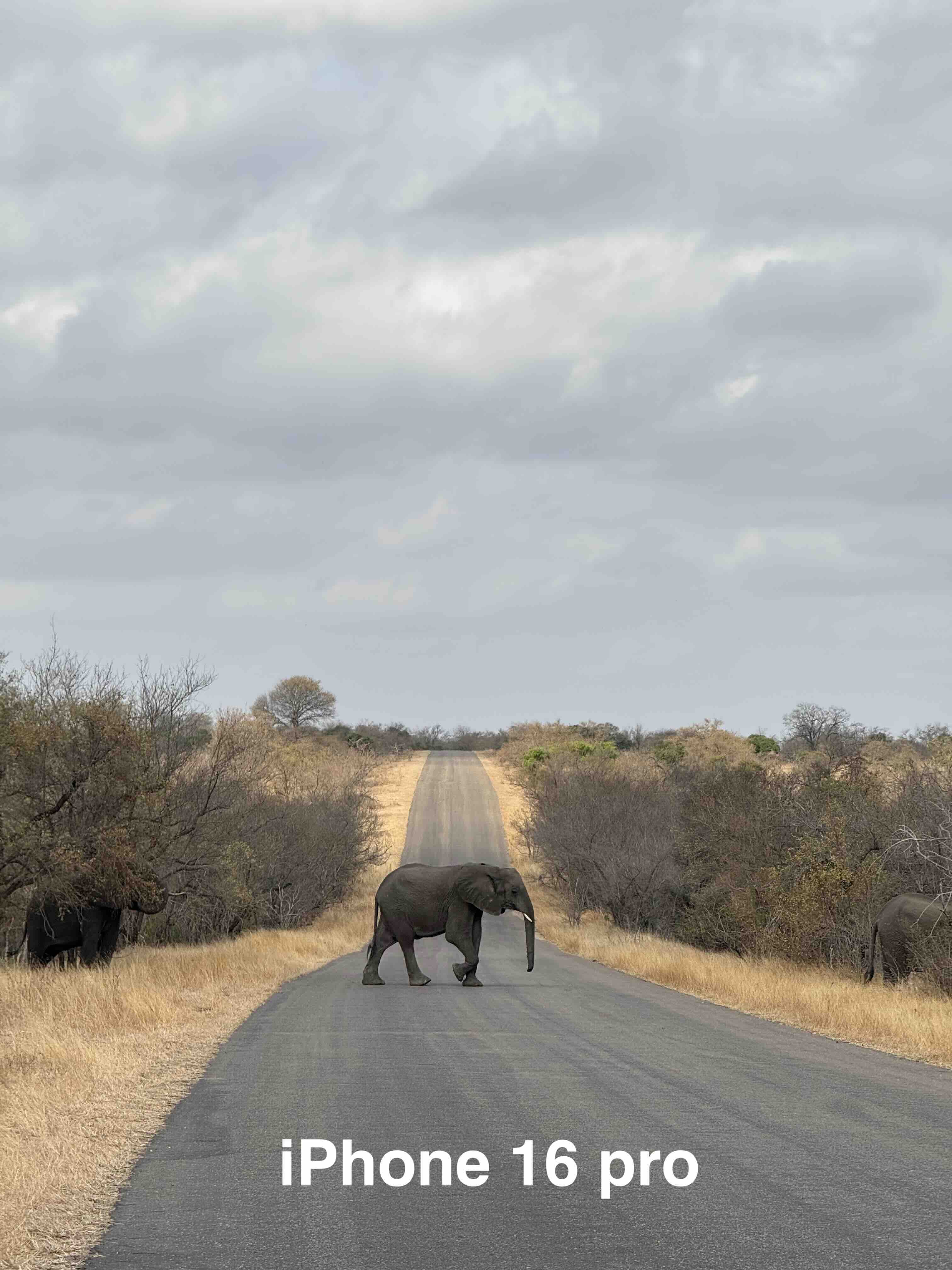
Many animals stay at a distance, and even with a good phone camera zoom, binoculars let you observe behavior and details you'd otherwise miss. I was honestly shocked by how much better I could see animals with binoculars vs my iPhone 16 Pro.
I ended up buying the Vortex CrossFire HD 8x42 last minute for about $280 CAD from a camera store in Hoedspruit. My friend bought the Nikon SportstarEx 8x25 for $150 CAD, and they were surprisingly good for the price. Hers were lighter and easier to carry, while mine had a wider field of view. Both worked great. We recommend buying your binoculars before your trip as you'll get a better price, but you can buy them in Hoedspruit, the closest town to Kruger with outdoor stores.
What to Look For:
- 8x42 or 10x42 magnification (the first number is zoom, the second is lens diameter). We recommend 8x because it's easier to hold steady in a moving vehicle. 10x max. Go and test some binoculars in store to see what's comfortable. I found 10x to be too shaky without a tripod, but some people prefer the extra zoom.
- Lens diameter of 42mm - 52mm for a bright image in low light (early morning and late afternoon).
- Light weight (under 675g) for comfort during long viewing.
- Adjustable Focus for clear images at different distances as the animals move.
- Eye relief of at least 15mm so you can adjust for comfort.
- Field of view of at least 6 degrees for easier tracking of moving animals.
- Neck strap so you don't drop them.
Our Recommendation: Don't overthink it. A $150-300 pair purchased online will work perfectly fine for safari. Save the $1,000+ binoculars for the serious birders.
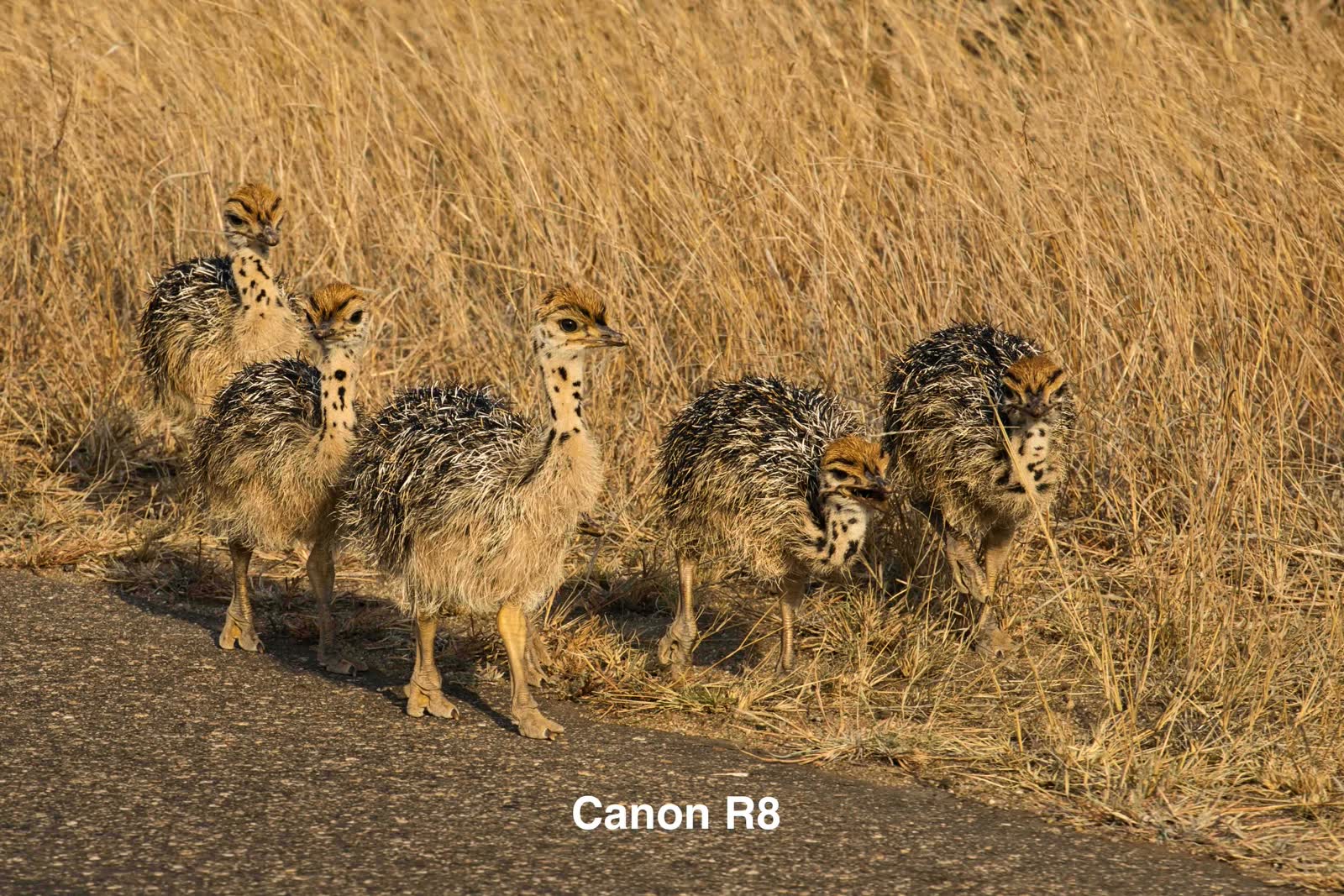
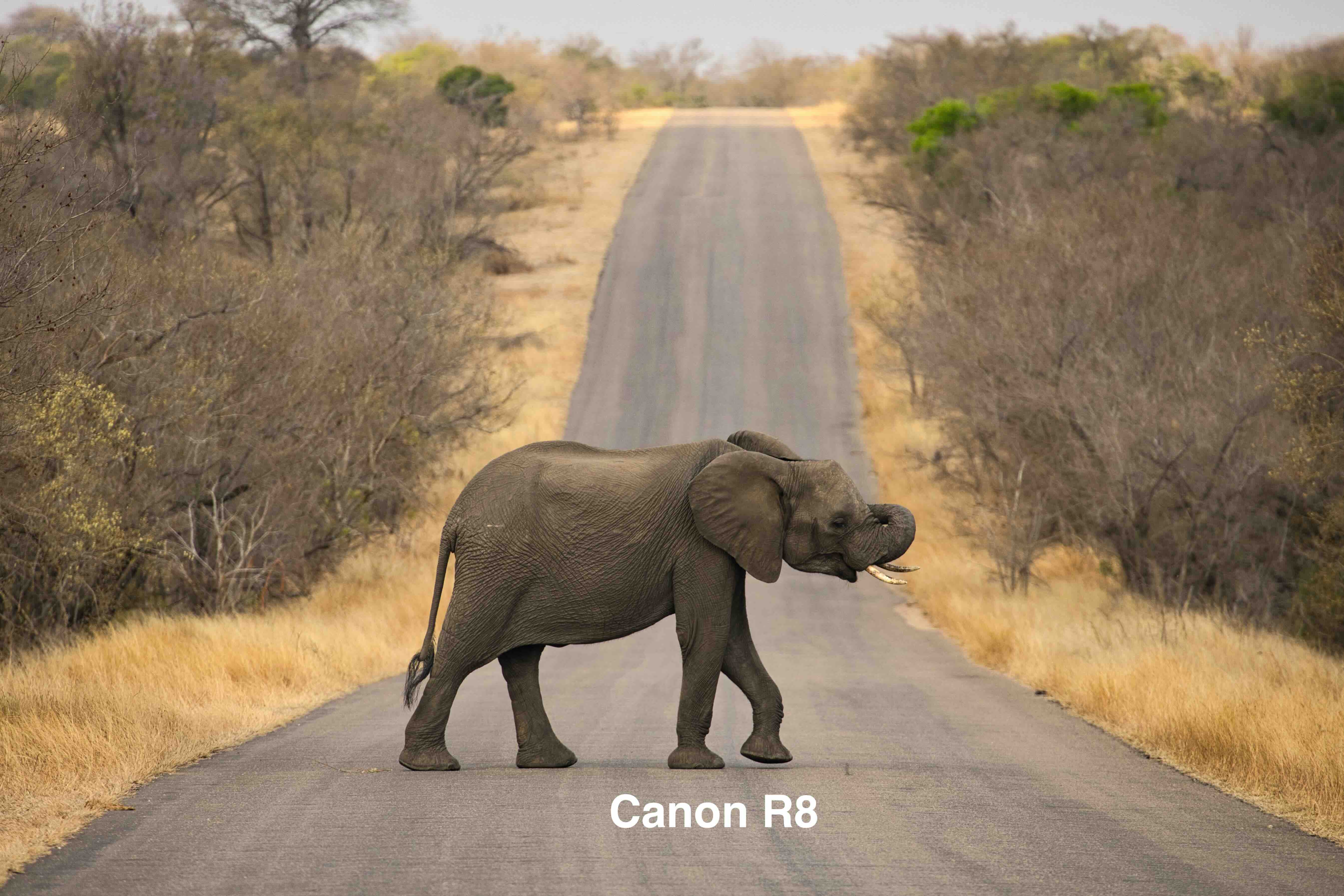
This is where people often stress unnecessarily. Yes, a good camera helps, but you don't need $10,000 worth of gear to get great wildlife photos. We bought a mirrorless Cannon R8 camera with a Canon EF 70-300mm f/4-5.6L lens. This setup cost around $2,300 CAD total, second hand, and worked well for most situations. We got great shots of elephants, lions, leopards, giraffes, and many other animals.
note: if you are looking to get this camera and lens, you will need an EF-RF adapter as the lens and the camera and not compatible natively. The adapter costs around $100 CAD.
- Minimum: 200mm. Anything less and you'll be frustrated by how far away animals look in your photos.
- Ideal: 300-400mm. This range gives you flexibility to photograph animals at various distances.
- Serious Wildlife Photography: 500-600mm or more. This is for people who are serious about getting frame-filling shots of distant animals or birds. These lenses are heavy and much more expensive.
Also worth noting, you'll need to get a lens with image stabilisation and a decently wide aperture. f/7 as a minimum for taking low light photos at dawn or dusk.
Our Recommendation: Don't buy brand new expensive camera gear just for one safari unless you're already into photography. A new phone camera does an incredibly good job for casual wildlife photography when the animals are close by. You can rent if you want professional results without making a huge financial investment and there are some rental shops in the area, although there is a steep learning curve to taking good photos with DSLR/Mirrorless cameras. Or, you can do what we did, buy used, and you can always sell it on again afterwards without eating too much depreciation.
Kruger has around 12 main rest camps run by SANParks (South African National Parks), plus several smaller bushveld camps and satellite camps. These camps range from very basic to quite comfortable, but all are significantly more affordable than private lodges. You can book all of them through the official SANParks website.
The main SANParks camps include:
- Fenced perimeter (you're safe from wildlife)
- Accommodation ranging from campsites to bungalows
- Restaurant and/or shop with basic supplies
- Swimming pool (usually)
- Communal kitchen facilities
Some of the larger camps, like Skukuza, have petrol stations.
The quality of accommodation varies significantly as some camps have been refurbished.
Satara Rest Camp (2 nights)
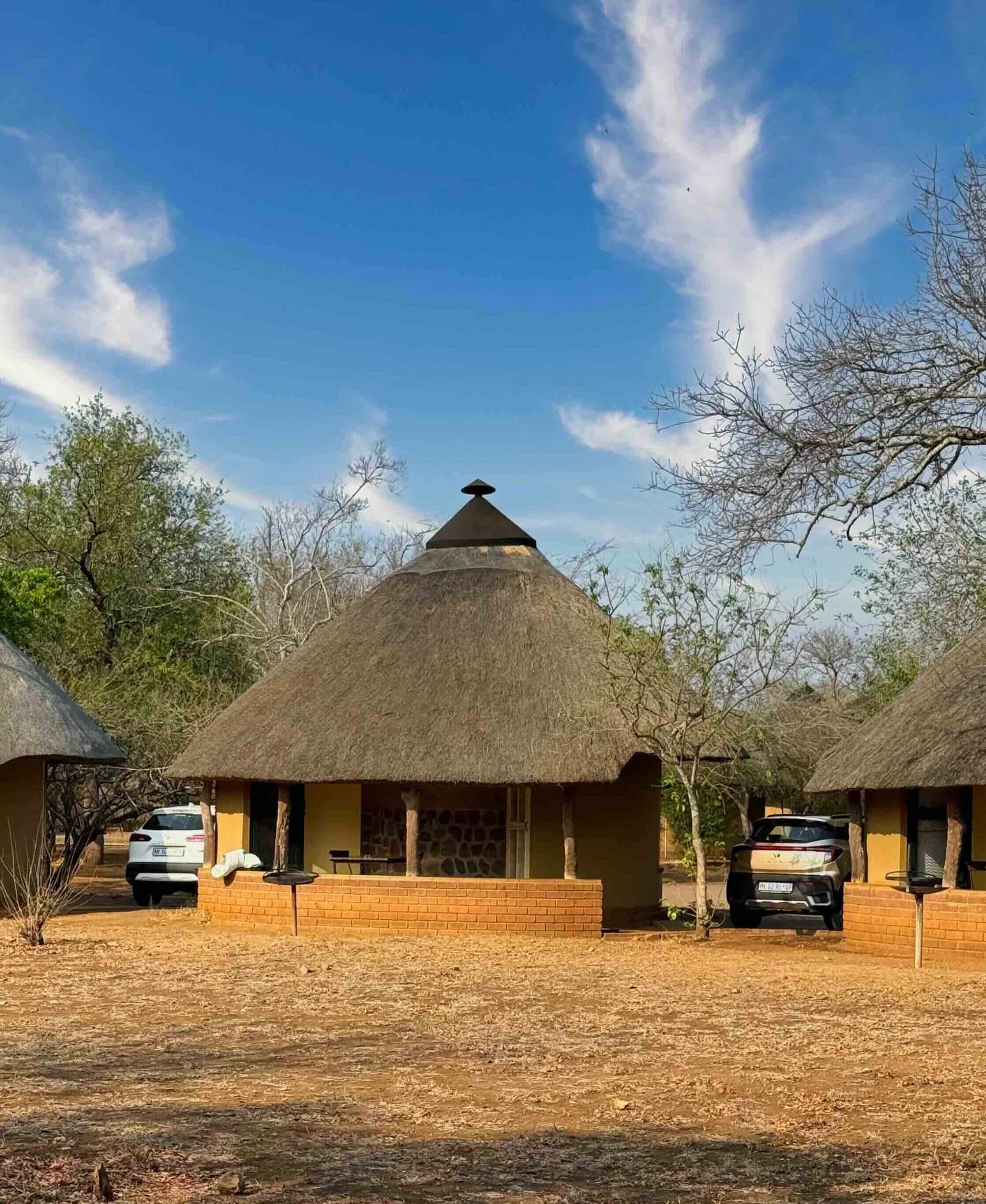
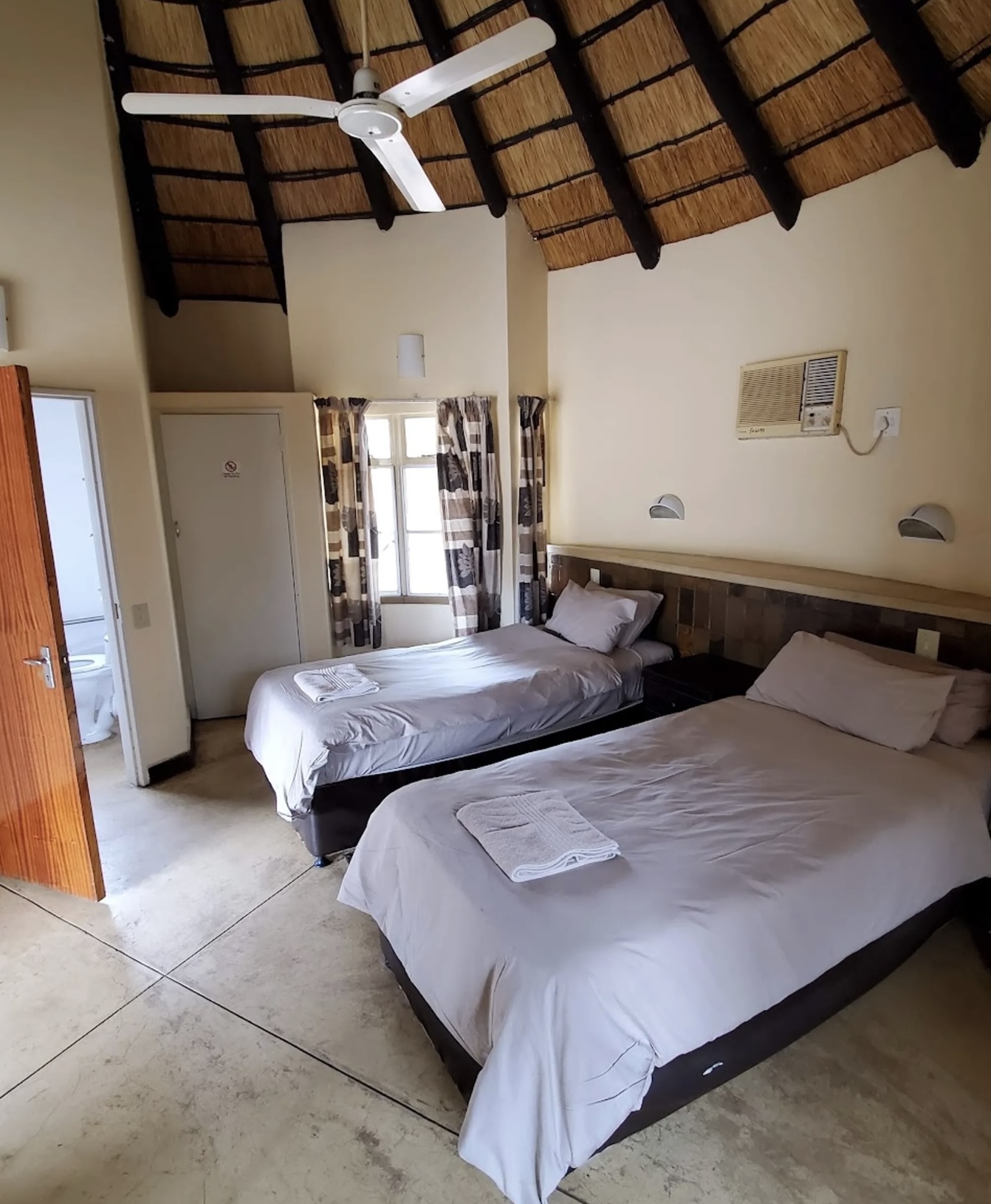
This is one of the most popular camps, located in the central part of Kruger with several productive waterholes nearby. We loved Satara. The facilities were relatively new and well-maintained, the restaurant was excellent with good variety, and the room was very comfortable with air conditioning, a private bathroom, and a fridge. This camp also has cell service and wifi, which was convenient. The safari trucks seemed brand new and the night safari lights were very bright, which made for great night drives.
We stayed in a Bungalow which had two twin beds, air conditioning and a private bathroom. Satara also offers Guest Cottages and Guest houses which fit 5+ people and have a living room, kitchen and two bathrooms, but they are more expensive. They also offer campsites for camper vans and tents.
Lower Sabie Rest Camp (1 night)
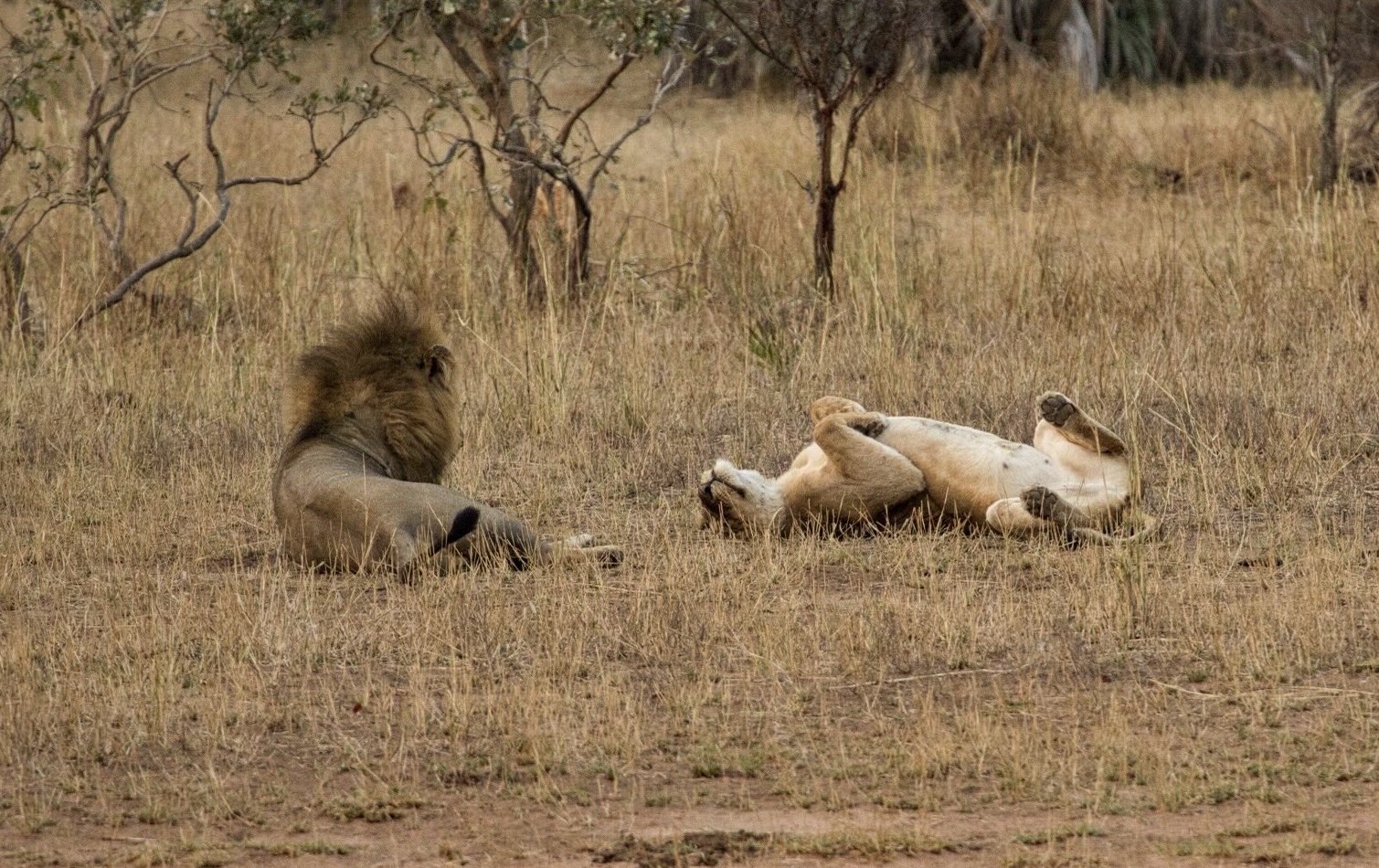
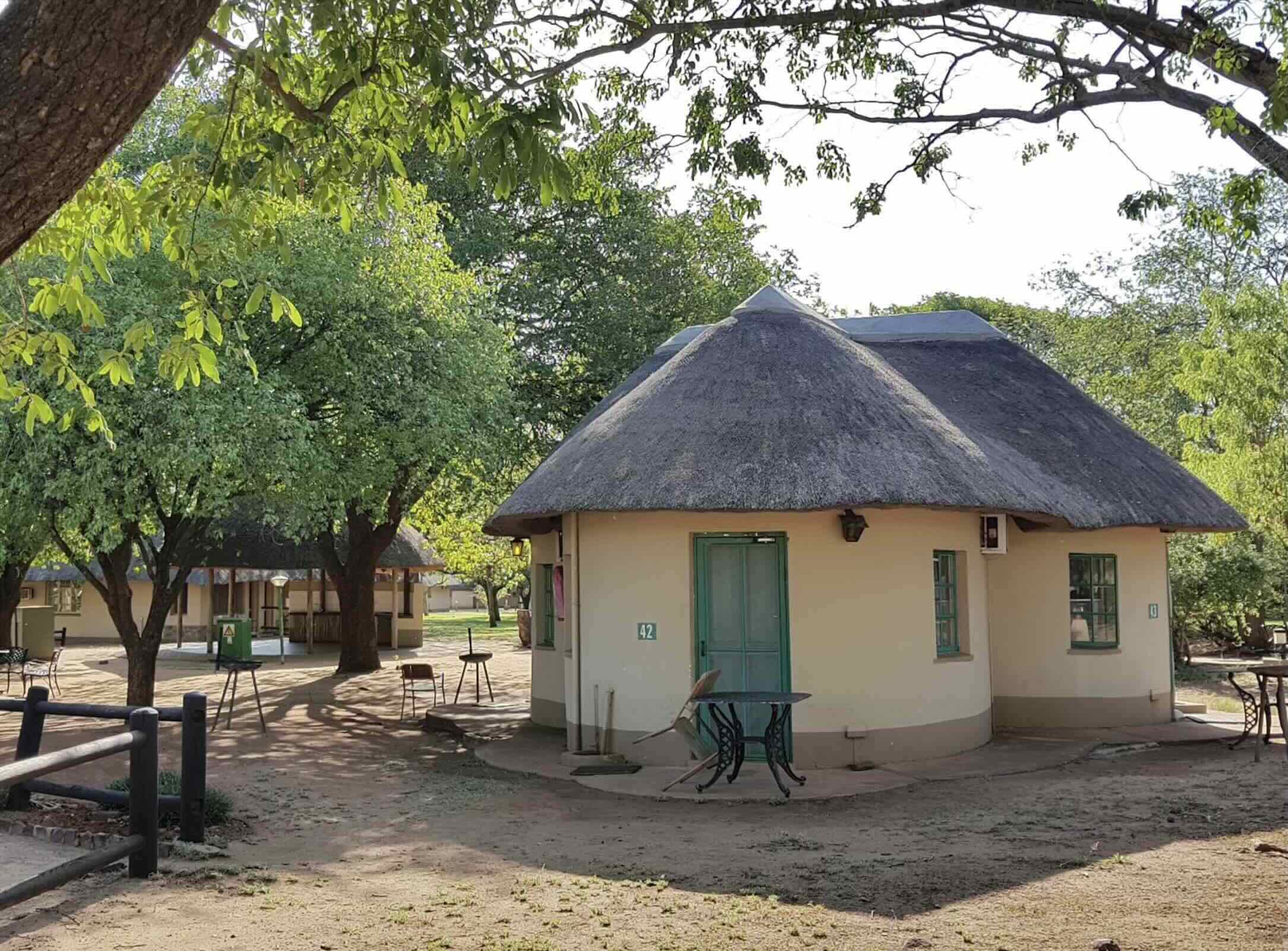
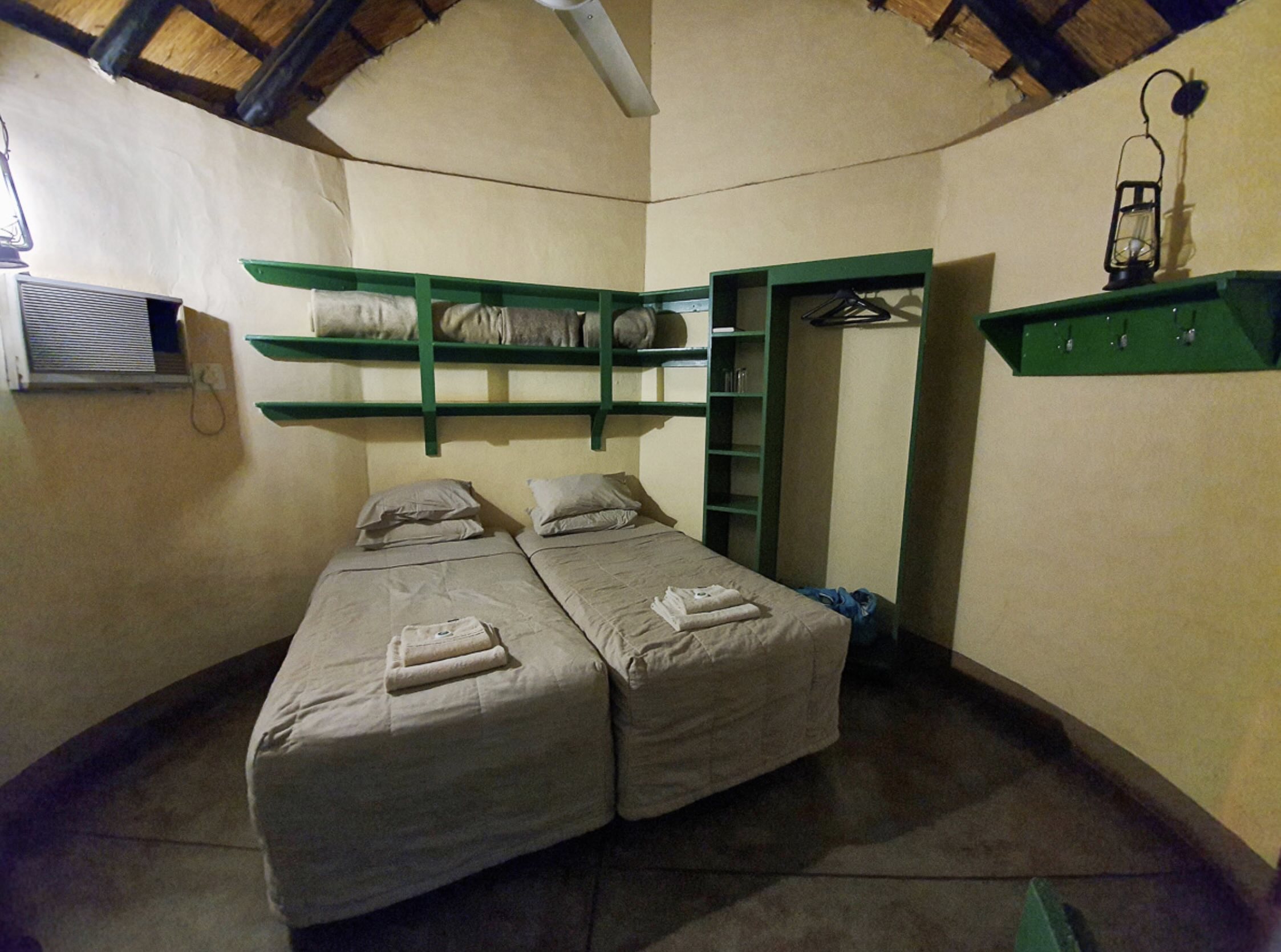
Lower Sabie is located in the southern part of Kruger along the Sabie River. The location is unbeatable for lion sightings. We saw two different lion prides during our drives around Lower Sabie. However, the camp itself is older and more dated than Satara. There's no cell service, and the restaurant was disorganized and had limited options. The safari trucks were also older and the night safari lights were less bright.
We stayed in a Hut (not a bungalow) which had two twin beds, air conditioning, a fridge but no private bathroom. There is a shared bathroom block and kitchen facilities. Lower Sabie also offers Bungalows, Guest Cottages and Guest Houses similar to Satara. They also offer Safari Bungalows with a view of the river, which are highly sought after and more expensive. Being able to watch animals come to the river from your room would be amazing. If you're not willing to spend that money, you are able to walk over to the river to watch as well.
Tip: Your best bet to avoid disappointment is to book as far in advance as you can. We booked 6 months ahead and some of the more popular accommodations were already sold out.
TikTok Tip: Curt Is Wild on TikTok has a lot of great videos showing you different camp accommodations options at Kruger. He films different rooms and facilities at the camps, which is really helpful when trying to decide where to stay.
Skukuza: The largest camp in Kruger with the most amenities including restaurants, shops, a museum, and even a golf course. It's well-located in the south-central area and has the airport nearby.
Berg-en-Dal: Located in the southern part of the park with different vegetation (more hills and rocks). Modern facilities and good for rhino sightings.
Olifants: Perched on a cliff overlooking the Olifants River with spectacular views. One of the most scenic camps in Kruger, although it is a little more remote than others.
Orpen: Smaller, quieter camp in the central region on the western border of the park. known for leopard, cheetah and lion sightings due to the plains that surround it.
Find a list of all the camps here
SANParks also runs smaller, more remote bushveld camps like Shimuwini, Bateleur, and Sirheni. These camps are much smaller (usually 10-20 units), more intimate, and don't have a shop or restaurant. They're perfect if you want a quieter experience but still want the affordability of SANParks accommodations. All the units here have kitchen facilities including fridge and communal freezer so they are ideal for self-catering.
In addition to SANParks camps, there are numerous private lodges both inside Kruger and in private reserves adjacent to the park. These range from mid-range to ultra-luxury.
There are several private concessions within Kruger's boundaries, including:
- Hamiltons Tented Camp (ultra-luxury)
- Singita Lebombo (ultra-luxury)
- Singita Sweni (ulta-luxury)
- Imbali Safari Lodge (luxury) -Hoyo Hoyo Safari Lodge (luxury)
- Rhino Walking Safaris (mid-range)
- Kruger Untamed - Satara Plains Camp (mid-range)
- Kruger Untamed - Tshokwane River Camp (mid-range)
These lodges offer all-inclusive packages with game drives, meals, and drinks included. Expect to pay $500-$2,000+ per person per night.
The Sabi Sands, Timbavati, Manyeleti, and other private reserves share unfenced borders with Kruger, meaning animals move freely between the areas. These reserves offer luxury lodge experiences with excellent game viewing.
Well-known lodges include:
- Londolozi (luxury, Sabi Sands)
- Singita Sabi Sand (ultra-luxury)
- Lion Sands (luxury, Sabi Sands)
- Umlani Bushcamp (mid-range, Timbavati)
- Honeyguide (mid-range, Manyeleti)
These lodges allow off-road driving which can improve animal sightings and all inclusive packages. Expect to pay anywhere from $400-$2,000+ per person per night.
While you'll find many lodges and guesthouses just outside Kruger's gates offering comfortable stays at reasonable prices, we don't recommend them. The major drawback is that you'll miss prime wildlife viewing hours since you can't enter the park before sunrise or stay outside of the camp past sunset when the gates close (you'll be fined or asked to leave), but this is precisely when animals are most active.
If you're on a budget or want maximum flexibility, stay in SANParks camps. If you want a luxury experience with top guides and don't mind the cost, book a private lodge inside the park. There's no wrong choice, just different experiences at different price points.
One of the best things about Kruger is that you can do it yourself. Unlike some other African parks that require guides, Kruger allows self-driving, which gives you incredible freedom and saves money. SANParks also offers guided game drives throughout the day with experienced park rangers who know where to find the animals and can answer all of your questions.
You drive your own vehicle through the park on designated roads (all roads are marked on maps). You stop wherever you want, for however long you want, following park rules. Kruger has an extensive network of roads that cover the entire park, so you can explore different areas and habitats. There is also a community aspect to it, where other drivers will stop, roll down their window, and share sightings and information about where animals have been seen recently.
Our Experience: We did a mix of different types of safaris and really loved the self-drive experience. We were able to move at our own pace and orient our car to get the best shots at animals. We were worried that we might not see as much without a guide, but we actually saw more because we could stop and wait at sightings for as long as we wanted.
Tip: Download Google maps offline for the park so you can easily navigate and understand where you are and how far you are from different camps and points of interest.
Useful App: We downloaded the Latest Sightings App, a community-driven app where people can share real-time sightings. It was incredibly helpful for finding animals and planning our routes. We highly recommend downloading it before your trip. Note that you won't see any endangered animals like Rhino on the app, for the animals' protection, but you'll get real-time tips on where to find all other animals.
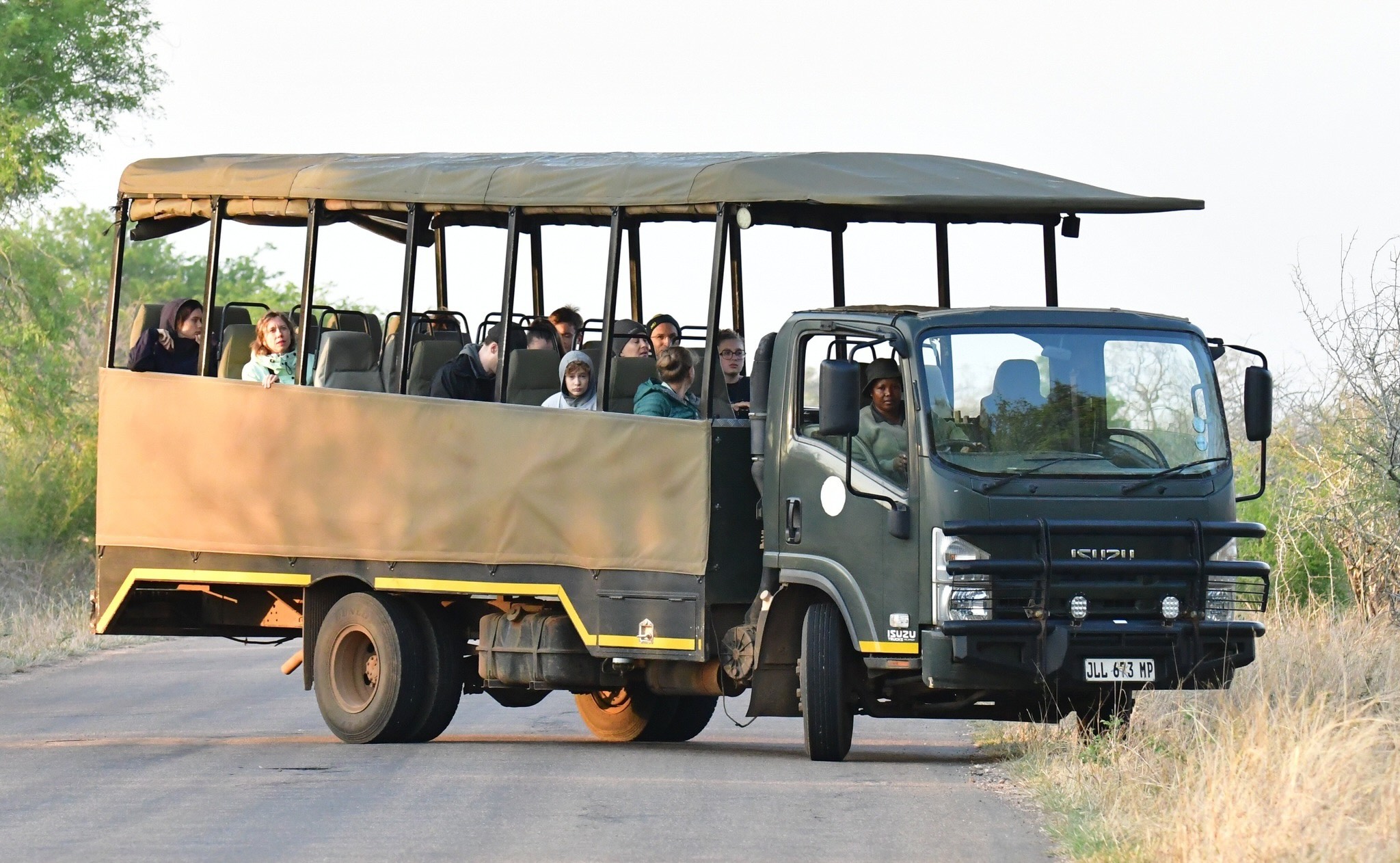
All SANParks camps offer guided game drives led by trained field guides. They typically have 4 timeslots per day, the most popular being at sunrise (leaving around 5:30am) or sunset (leaving around 3:30-4pm) and last 3-4 hours. Guides drive you around in a safari vehicle and take you to the best spots for wildlife viewing based on their knowledge and recent sightings. Guides are also able to gone on special roads not open to the public that get you closer to the animals. They can also identify animals, birds, tracks, and behaviors that you might miss on your own.
You can book a guided safari in advance through the SANPark website, or upon arrival at the camp reception. They are super reasonably prices at around $30 CAD per person.
Our Experience: We did both sunrise and sunset game drives. Our guide was knowledgeable and we saw several animals we might have missed on our own. We were glad to have experienced a good mix of both guided and self-driven safaris.
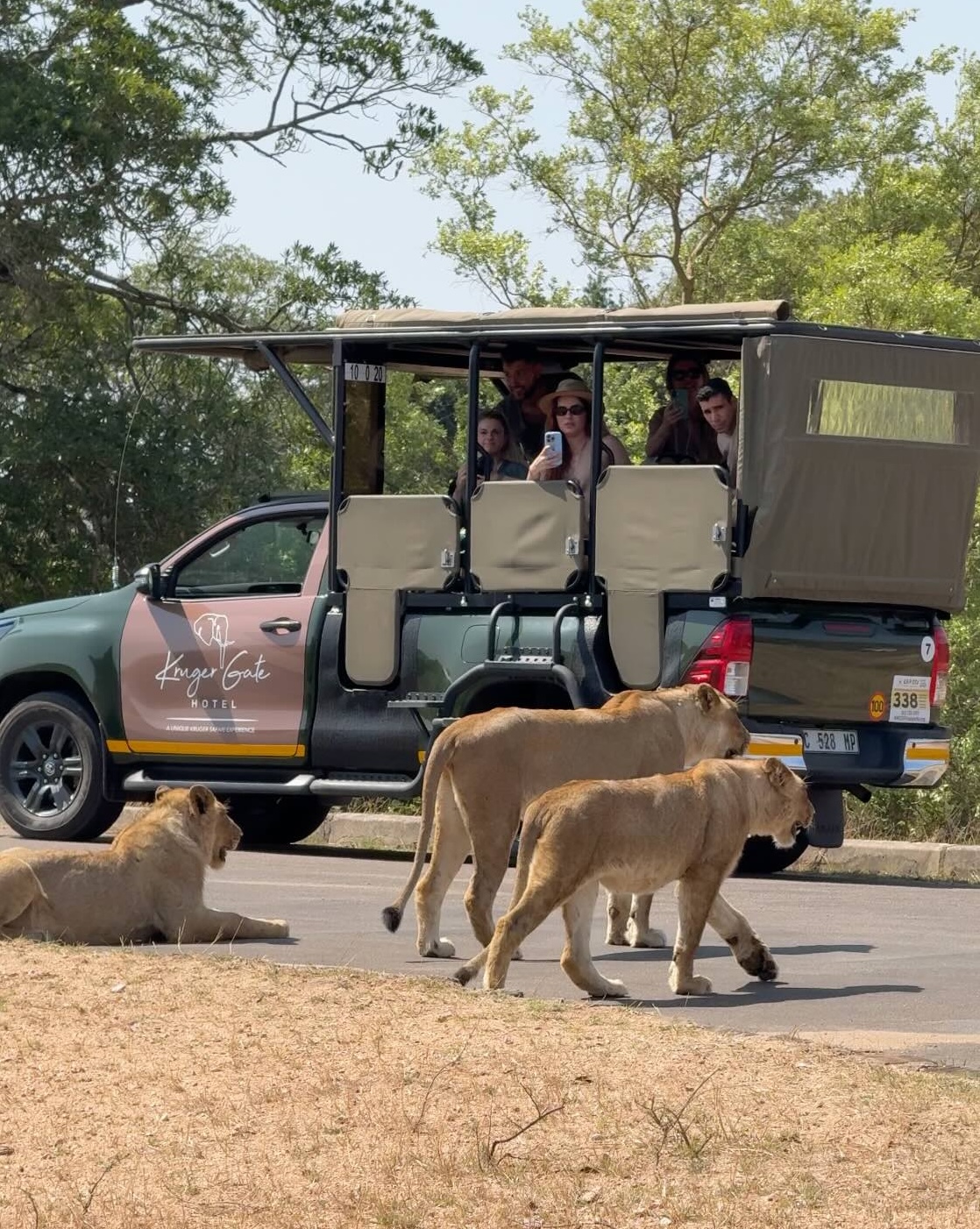
The time of year you visit significantly impacts your experience.
Best for: Wildlife viewing
During the dry season, vegetation is sparse, waterholes are critical resources, and animals congregate in predictable areas. This makes spotting wildlife much easier. The weather is cooler and more comfortable for game drives. The dried out vegetation is also less dense, which makes it easier to spot animals.
Peak season: June to August is the busiest and most expensive time, especially during South African school holidays.
Our recommendation: Visit in May or September for great game viewing with fewer crowds.
Best for: Bird watching, dramatic landscapes, fewer crowds
The summer months bring rain, lush vegetation. The park is beautiful and green, but animals disperse because water is available everywhere. This makes wildlife viewing more challenging.
It's also very hot (often over 35°C/95°F), and afternoon thunderstorms are common.
Shoulder season: October/November and March/April offer a middle ground with decent weather and game viewing at lower prices.
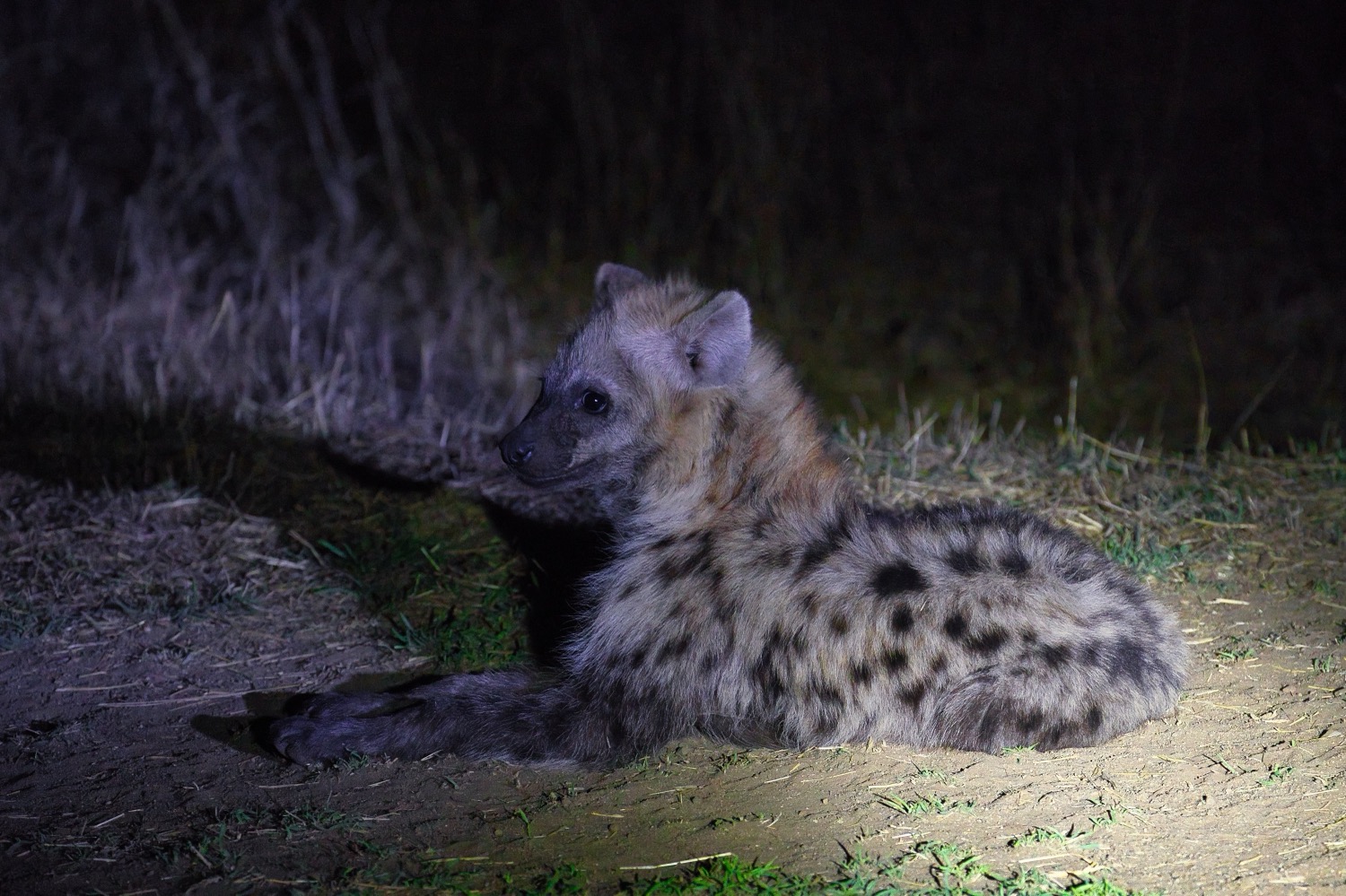
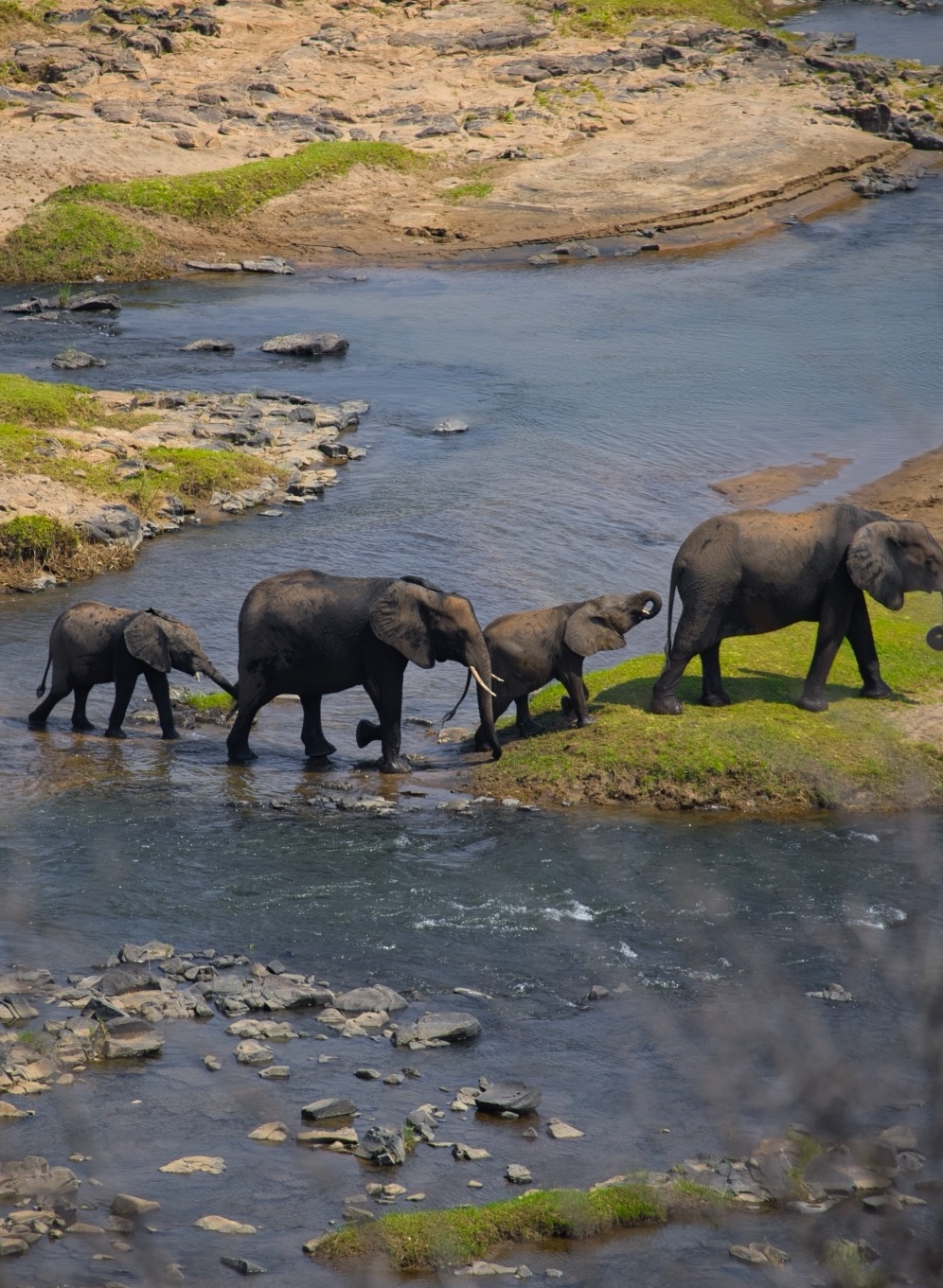
During the shoulder rainy season, many animals give birth. This is an incredible time to visit if you want to see adorable baby animals like lion cubs, elephant calves, and giraffe calves. We visited in September and were lucky to see many newborns and their mothers. The dry season also makes it easier to spot these babies since they often stay close to waterholes.
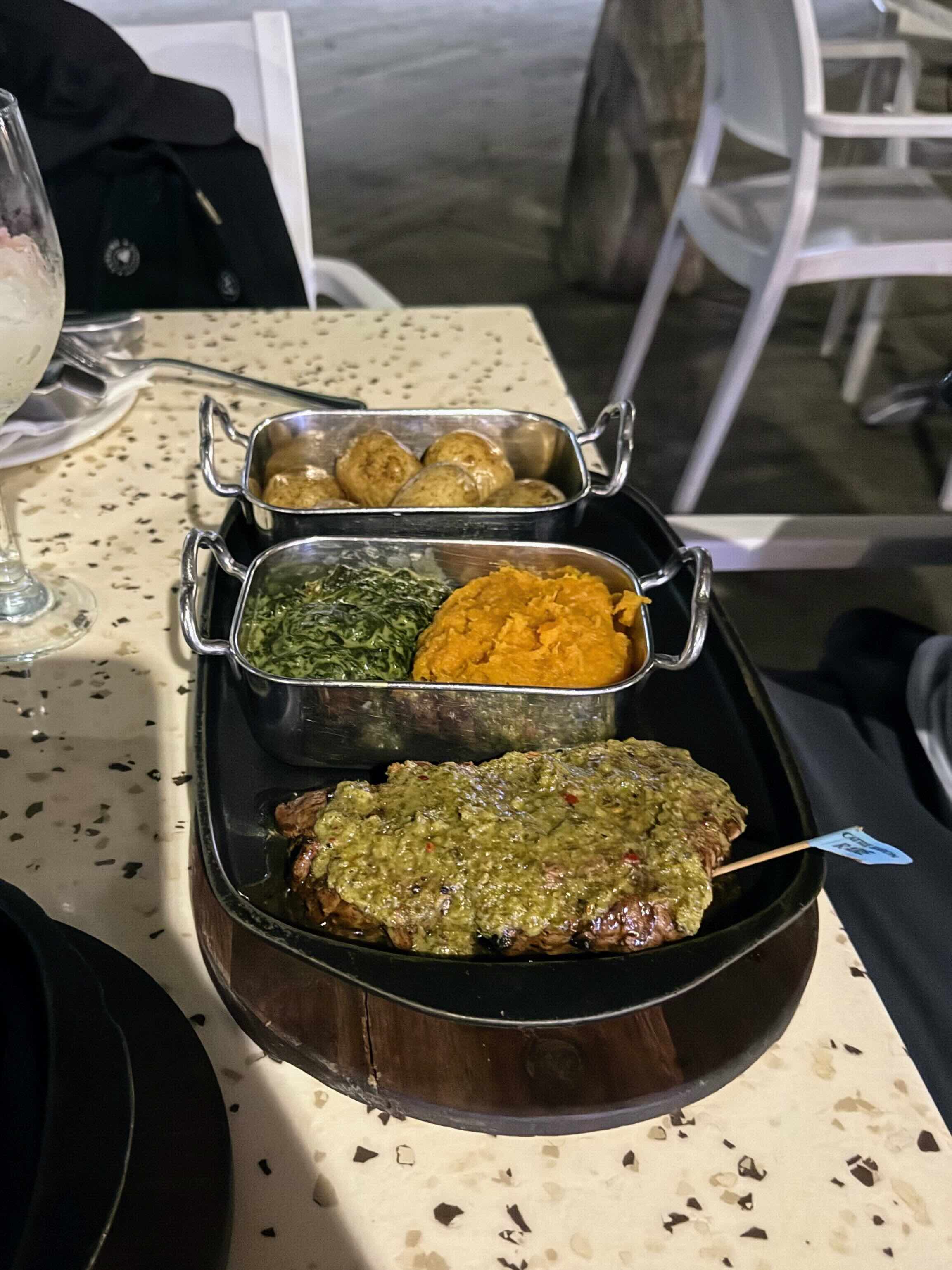
Most SANParks camps have restaurants and shops, though quality varies significantly.
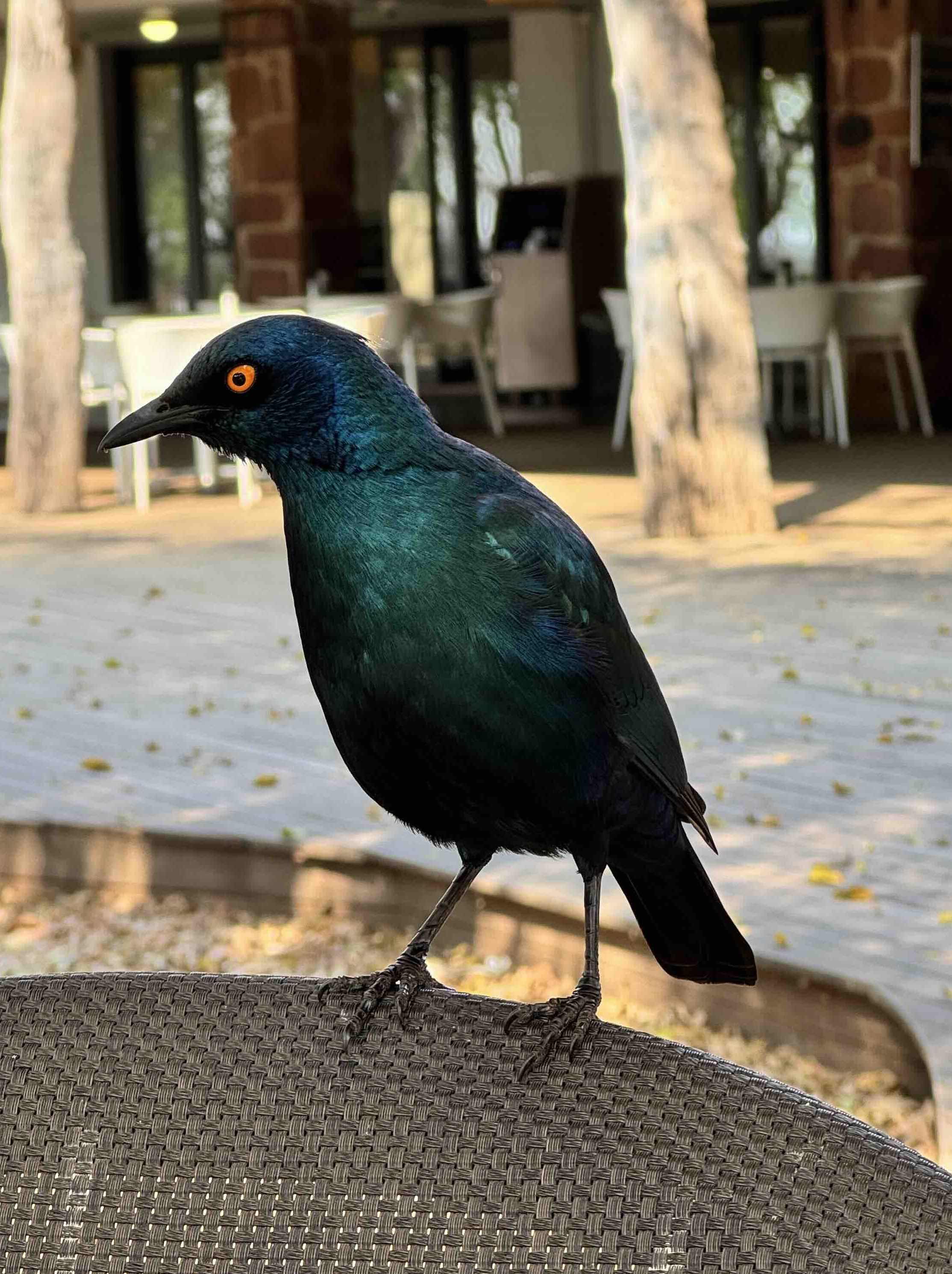
Larger camps like Satara, Skukuza, and Lower Sabie have sit-down restaurants serving breakfast, lunch, and dinner. Expect standard fare: eggs and toast for breakfast, burgers and sandwiches for lunch, grilled meats and pasta for dinner. We were shocked by how reasonably priced the restaurants were given that everyone in the camp is a captive audience. Watch out for the birds and monkey who will try and steal a bite. We would recommend eating at the camp restaurants and not bringing your own food, besides snacks.
Yes, Kruger is very safe for self-driving. The roads are well-maintained, and the main rest camps are fenced. Just follow the park rules: never get out of your car (except at designated spots), stick to the speed limits, and be back at your camp before the gates close at sunset.
Absolutely. Kruger is one of the best places in the world to see the "Big Five" (Lion, Leopard, Elephant, Buffalo, and Rhino). While rhinos and leopards can be elusive, the park's diverse habitats make it a prime location for all five.
We recommend booking at least 6 to 11 months in advance, especially if you want to stay in popular rest camps like Satara or Lower Sabie during peak season. SANParks allows bookings up to 11 months ahead.
Dress in layers. It can be very cold during early morning game drives and quite hot by midday. Stick to neutral colors (khaki, green, or brown) to blend in, and avoid bright whites or dark blues which can attract tsetse flies.
Kruger is a malaria area year-round. Consult your doctor about antimalarial medication. We took antimalarial pills and used insect repellent but didn't have any issues with mosquitoes during our visit in the dry season.
Be patient. Wildlife viewing is unpredictable. Some drives you'll see tons of animals, other times you'll drive for hours and see only impala. That's nature. As any guide will tell you before you set off on a game-drive, there are no guarantees, so set your expectations low and you'll avoid disappointment.
Early mornings and late afternoons are best. Animals are most active during cooler parts of the day. Midday drives can be slow, though waterholes are always worth checking.
Waterholes attract animals. Park at waterholes and wait. Animals need to drink, especially during dry season.
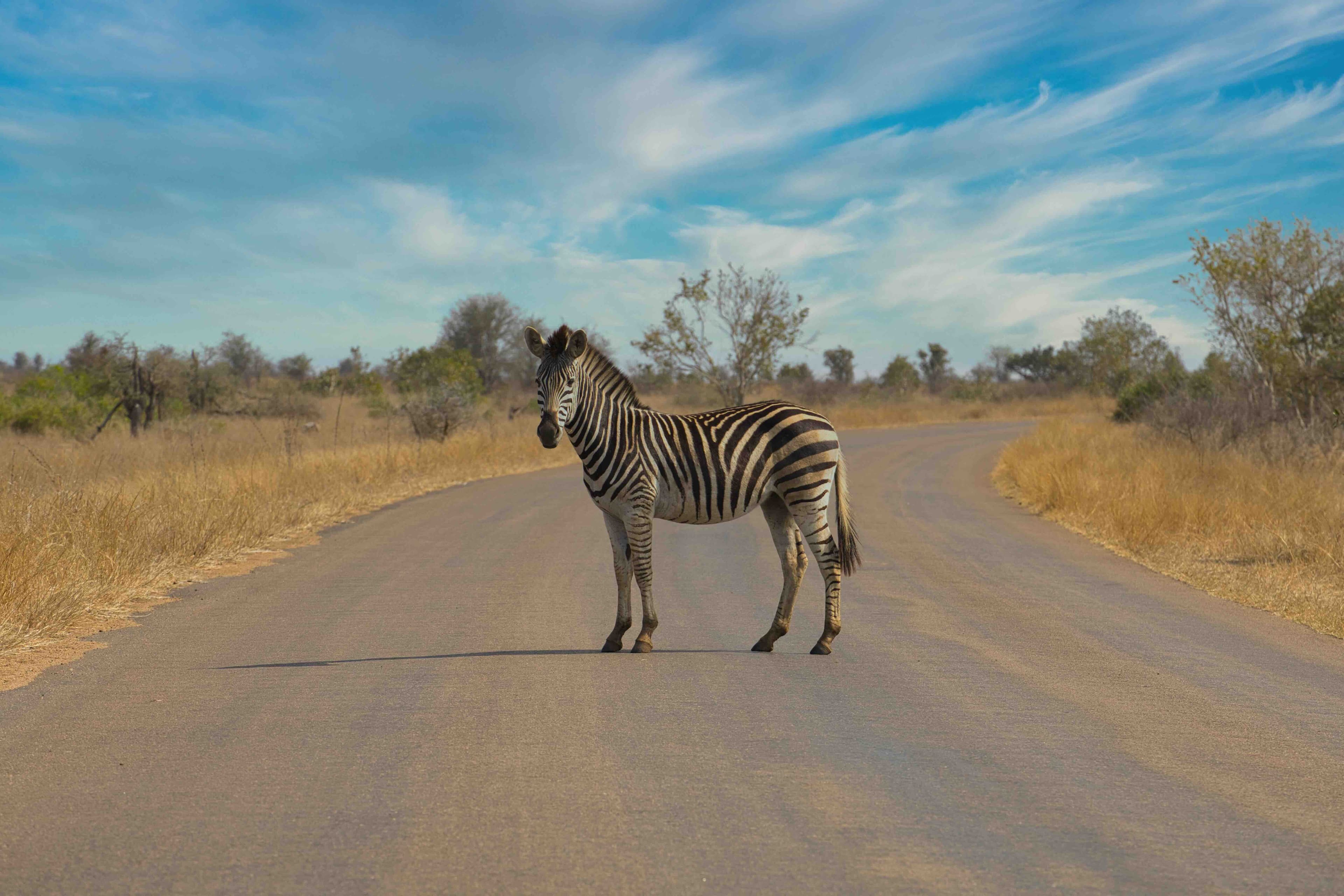
Drive slowly. The slower you drive, the more you see. Many animals are well-camouflaged. The park has a strict speed limit of 50kph anyway. Animals have right of way, if they're in the road, you'll have to stop and wait until they move on.
Look for other vehicles. If you see cars stopped, there's likely an animal nearby. Approach slowly and quietly.
Check trees for leopards. Leopards often rest in trees during the day. Scan the thicker branches at the top of the tree.
Kruger National Park exceeded our expectations. The diversity of wildlife, the quality of the accommodations (even budget options), and the freedom of self-drive safaris made this one of the highlights of our Southern Africa trip.
You don't need a huge budget or expensive gear to have an incredible Kruger experience. Stay in SANParks camps, do self-drive safaris, and you can visit one of the world's best wildlife destinations affordably.
That said, if you have the budget for a luxury private lodge, you'll get an exceptional experience with expert guides and incredible service.
However you choose to experience Kruger, you'll see amazing wildlife in one of Africa's most iconic parks. Don't overthink it. Just book your trip and go. You won't regret it.