
Planning a Namibia road trip itinerary is the ultimate bucket-list adventure for desert lovers and wildlife enthusiasts. After six weeks in South Africa, we extended our journey into Namibia, and it was unlike anything we’ve ever experienced. From the world’s tallest sand dunes at Sossusvlei to the rare desert-adapted elephants of Damaraland and the white salt pans of Etosha, this 9-day loop from Windhoek covers the country’s most surreal landscapes. In this guide, I’ll break down our exact route, the cost of overlanding in a 4x4 Hilux, and essential tips for navigating Namibia’s rugged gravel roads.
After spending six incredible weeks exploring South Africa, Eswatini, and Lesotho (Southern Africa Road Trip), we weren't quite ready to head home. So we extended our adventure with a nine-day road trip through Namibia. Namibia offers a completely different experience from South Africa: vast desert landscapes, towering sand dunes, dramatic coastlines, and some of the best stargazing in the world.
This quick trip packed in some impressive highlights: the iconic dunes and petrified trees of Sossusvlei, the charming coastal city of Swakopmund, the incredible Sandwich Harbour where the dunes meet the Atlantic Ocean, the massive seal colony at Cape Cross, and wildlife viewing in Etosha National Park. We camped most nights, drove through some of the most surreal landscapes on Earth, and made memories we'll never forget.
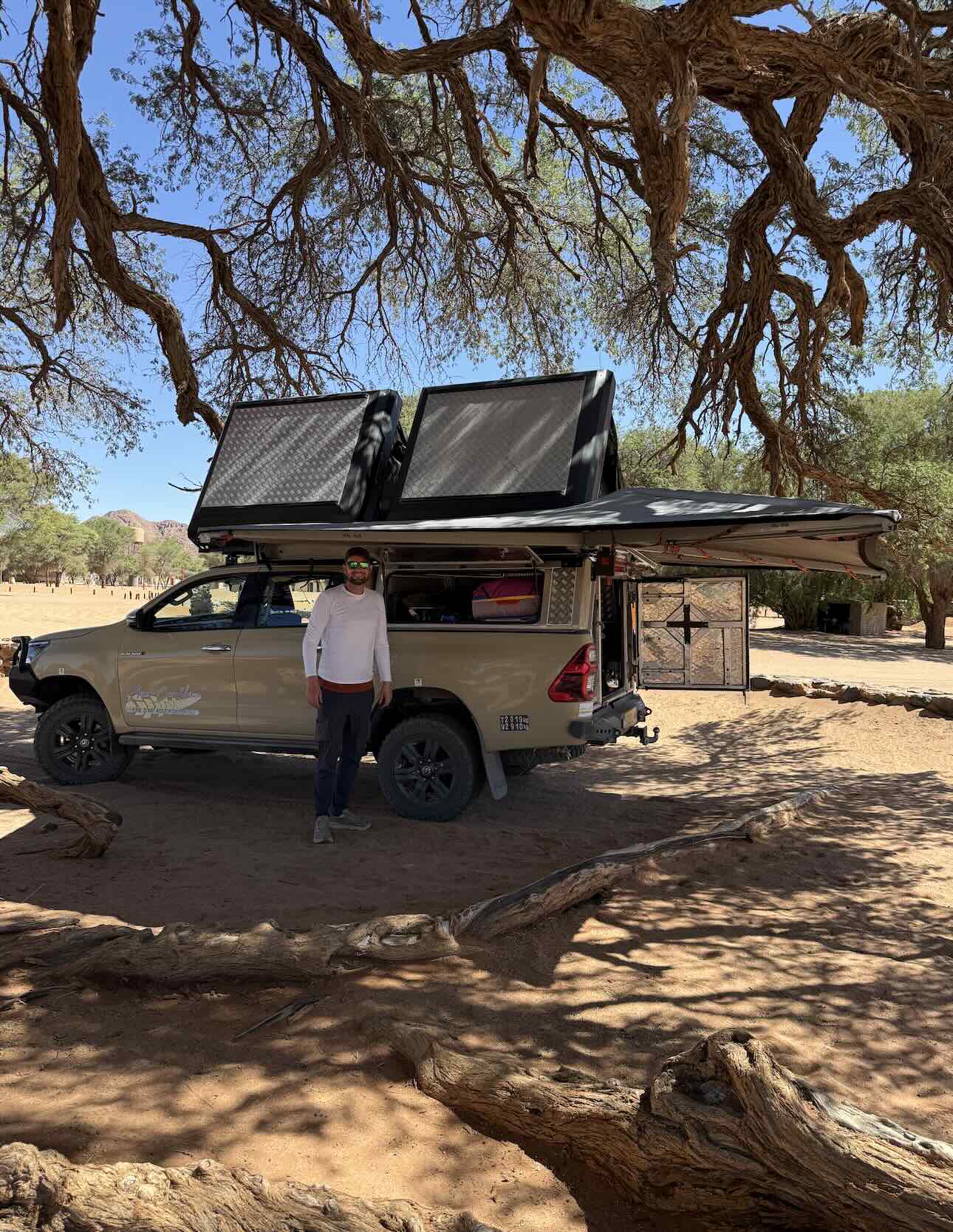
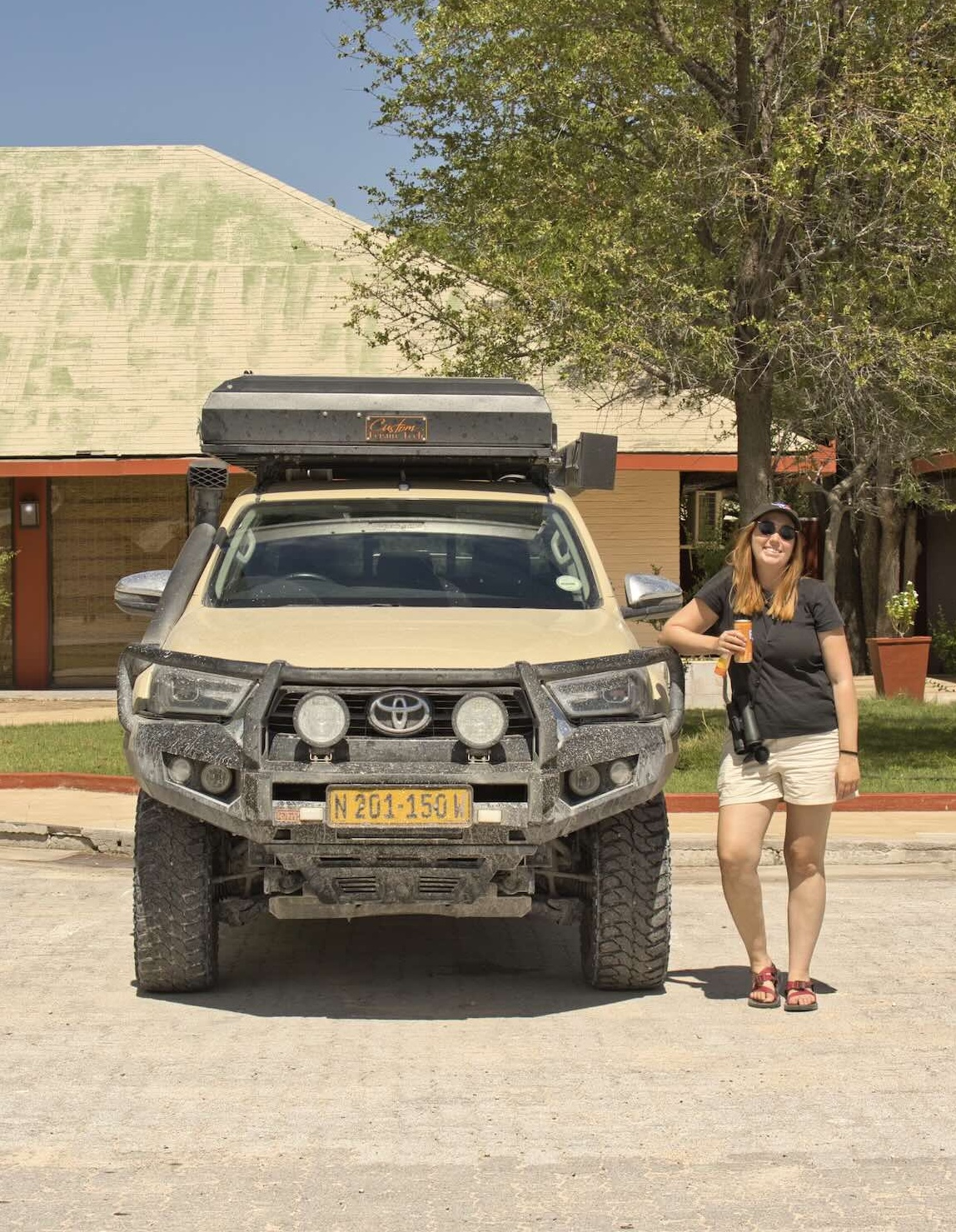
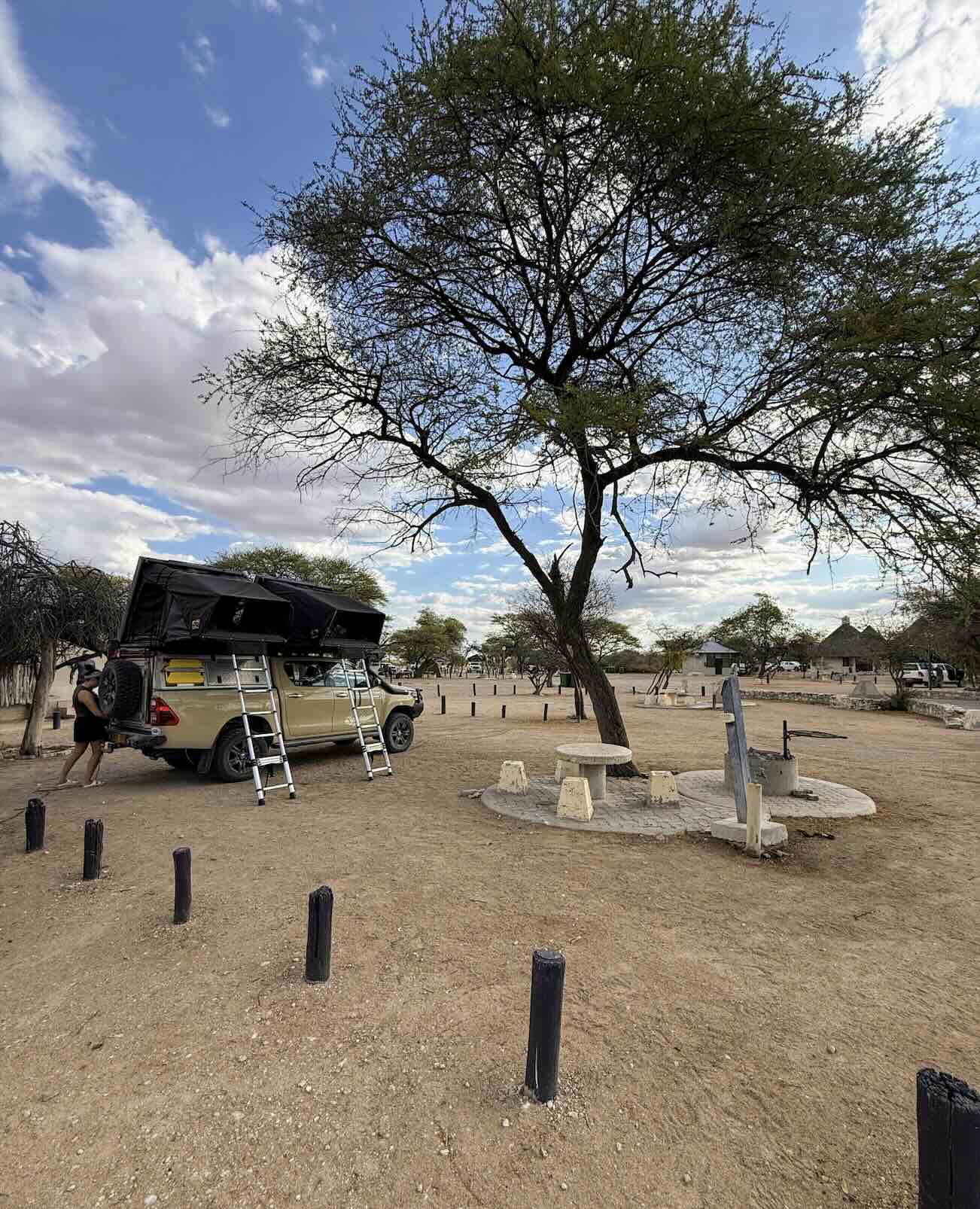
We rented our car from Asco Car Rental in Windhoek. We opted for a 4x4 vehicle with high clearance, which is recommended for Namibia's gravel roads and desert terrain. We also opted for an overlanding vehicle with rooftop tents so we could camp for most of our trip. Camping is not required but it definitely reduces accommodation costs and is a great way to experience Namibia.
The rental process was straightforward, and the staff were helpful in explaining the road conditions and park entry requirements. We rented the GROUP T+ Toyota Hilux and highly recommend this vehicle. Although a little more expensive than the basic vehicle we really appreciated the easy to set up tent, heavy duty suspension, and 180 degree awning. The T+ class also has hard shell tent covers which are much easier to set up and take down than the soft shell tent bags.
Important note: It took over an hour to sign all the paperwork and learn about how the car camping equipment works, so be prepared to spend some time at the rental office.
This is the most common route for a Namibia road trip, hitting all the major highlights in a manageable loop. We started and ended in Windhoek, the capital, flying in and out from the Windhoek airport WDH.
Namibia is an expensive destination, a lot more than South Africa, especially when factoring in car rental and park fees. Here's a rough breakdown of our costs for two people over nine days:
| Budget Category | Cost for 2 people |
|---|---|
| Accommodation & Camping Fees | $726 CAD |
| Food | $494 CAD |
| Rental Car (4 person overlanding truck) | $2,862 CAD |
| Gas | $248 CAD |
| Activities | $578 CAD |
| Park Entrance Fees | $133 CAD |
| Namibian Entrance Visas | $258 CAD |
| Total | $5,299 CAD |
Note: We rented a larger truck suitable for four people because we were traveling with friends, so this significantly increased rental costs.
Our Namibian adventure started early. After landing in Windhoek at 9:10am, we picked up our Namibian rental car, grabbed groceries, and started the four-hour drive to Sesriem in Namib-Naukluft National Park. The drive is mostly on gravel roads after leaving the capital, so you won't be able to drive at regular highway speeds. The scenery is stunning, with wide open desert landscapes and occasional wildlife sightings along the way.
Important: Driving at night in Namibia is fraught with risk, and setting up your tent for the first time in the dark is also not east, so plan accordingly. Due to various delays in Windhoek we arrived after dark around 7:00pm and had to set up camp and cook in the dark.
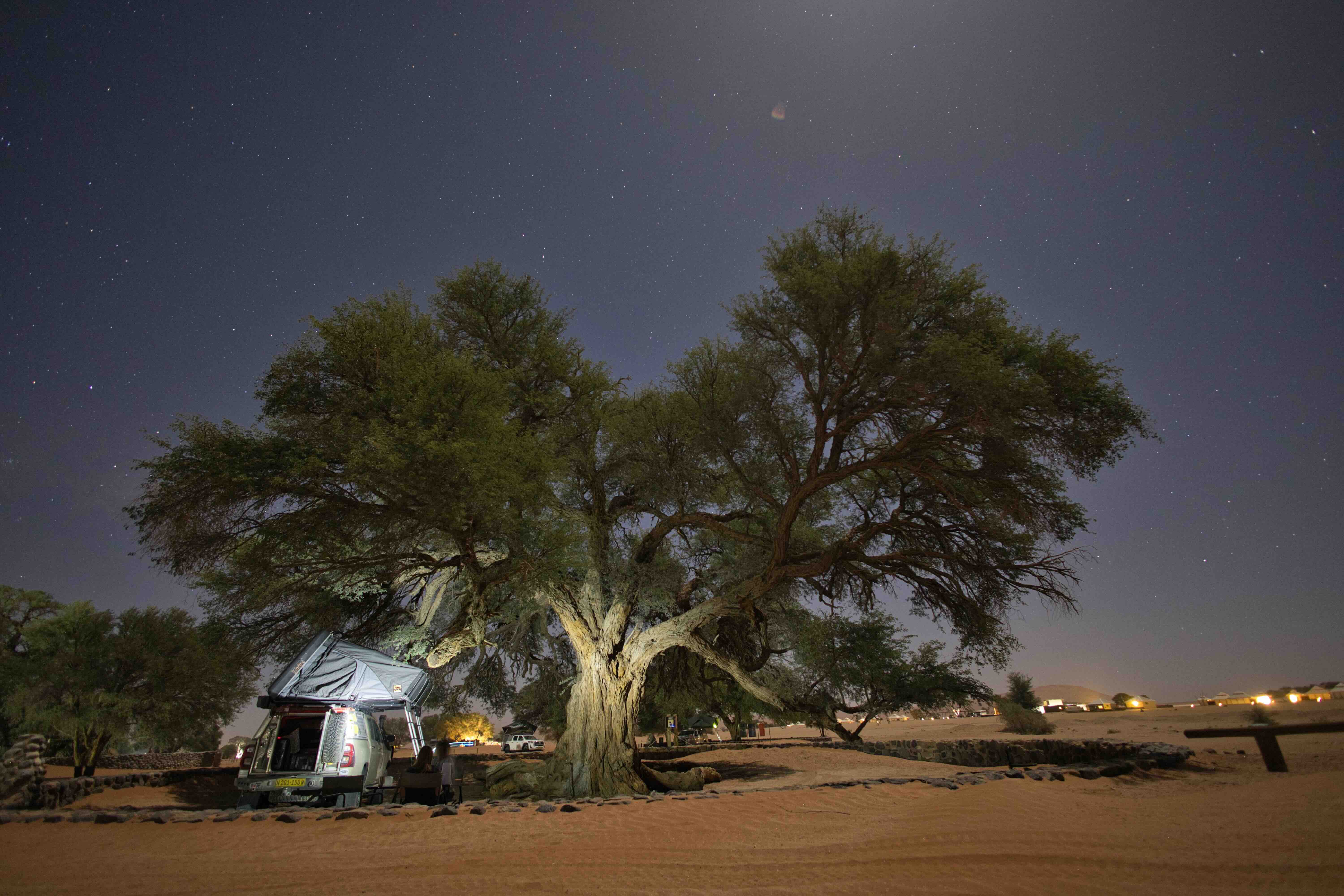
We camped at the Sesriem campsite for two nights, which put us in the perfect position for early morning dune exploration. The campsite had a pool, which was ideal for cooling off after hot days in the desert. The stargazing at night was phenomenal with virtually no light pollution.
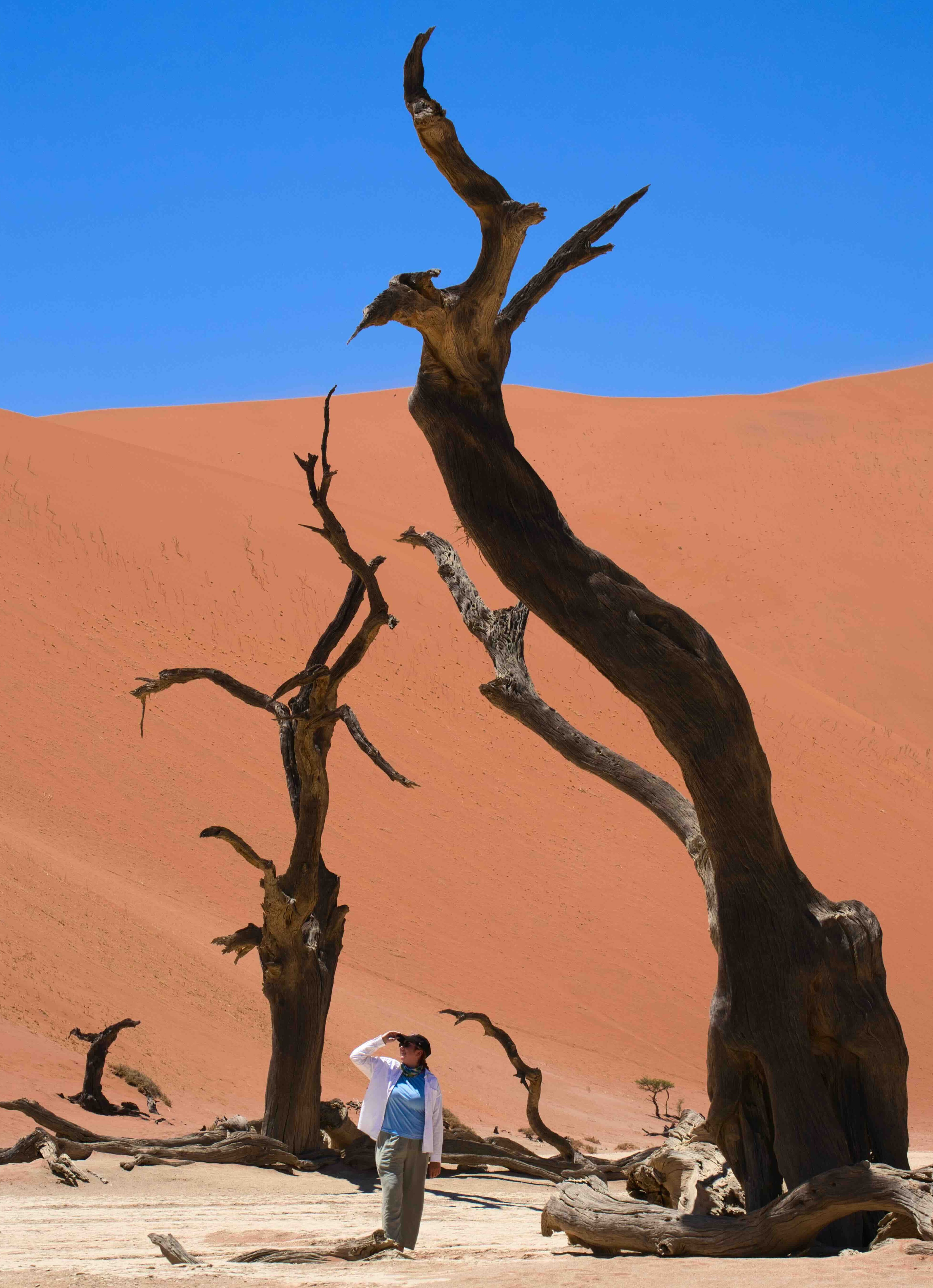
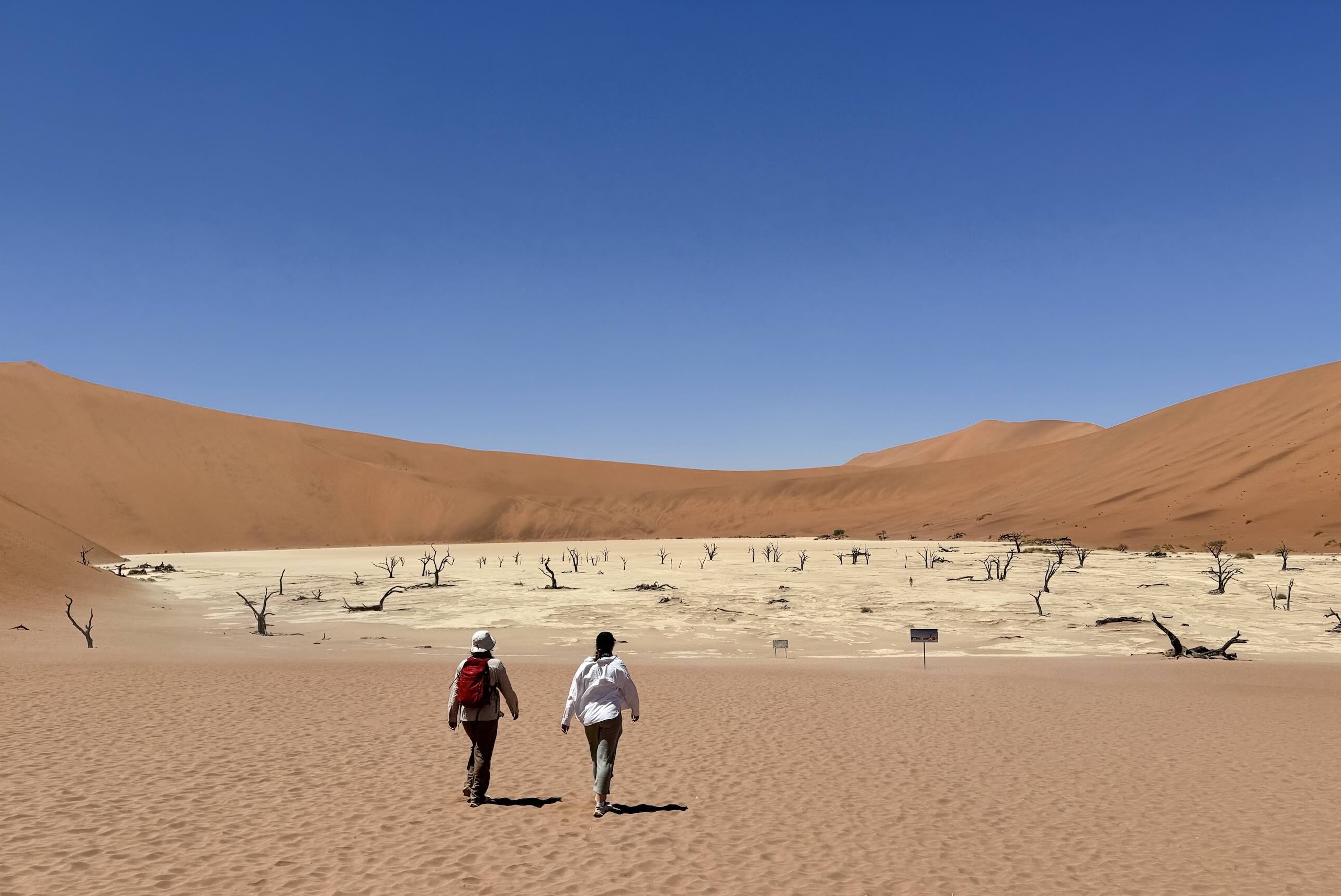
Deadvlei: On our first full day, we visited Deadvlei, the area's most popular attraction. This white clay pan is surrounded by towering red dunes and dotted with ancient dead camel thorn trees that are over 900 years old. The trees haven't decomposed due to the extreme dryness. It's recommended to go early to avoid heat and crowds, but exhausted from travel, we went around 11:00am. It was hot but manageable with plenty of water and sunscreen.
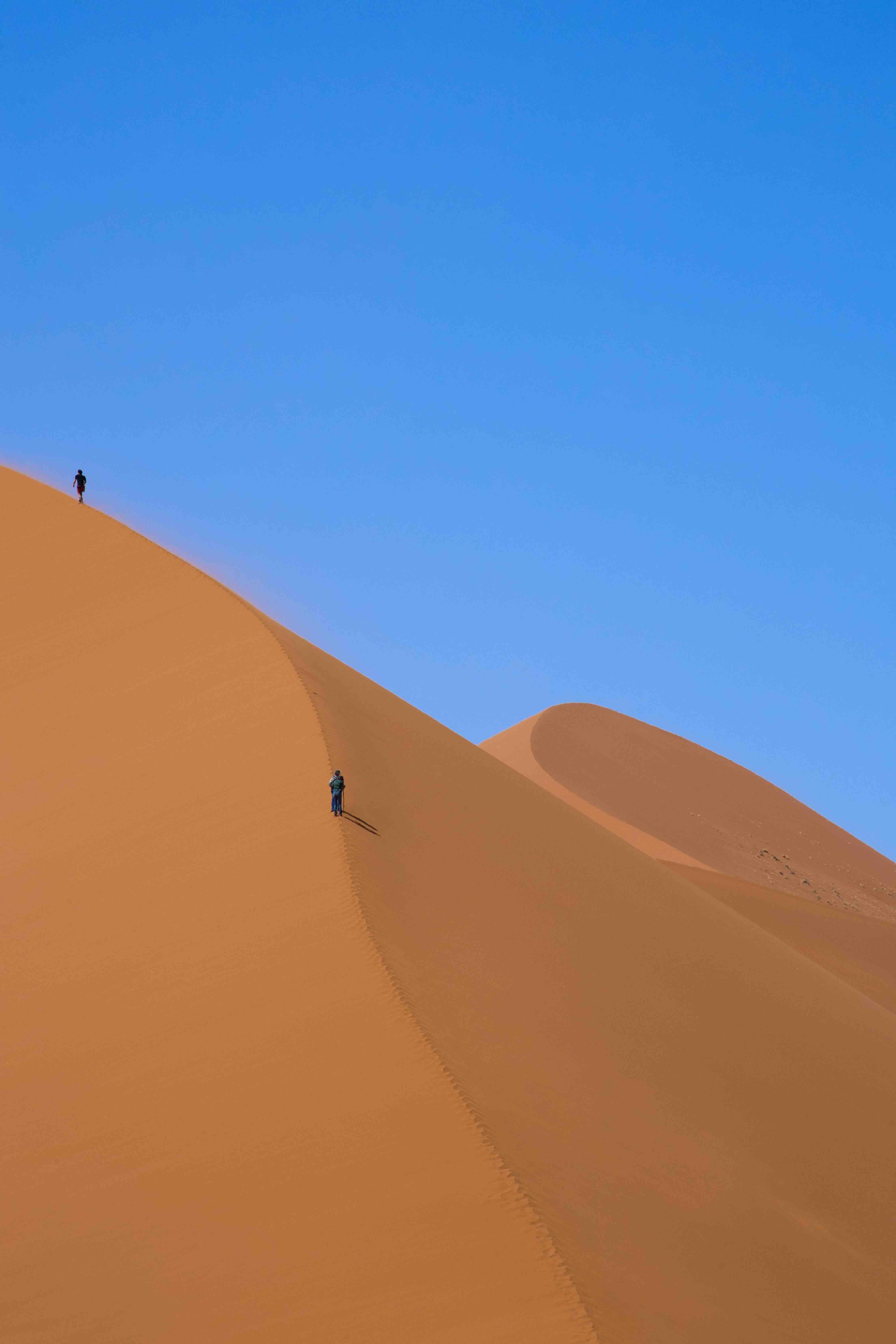
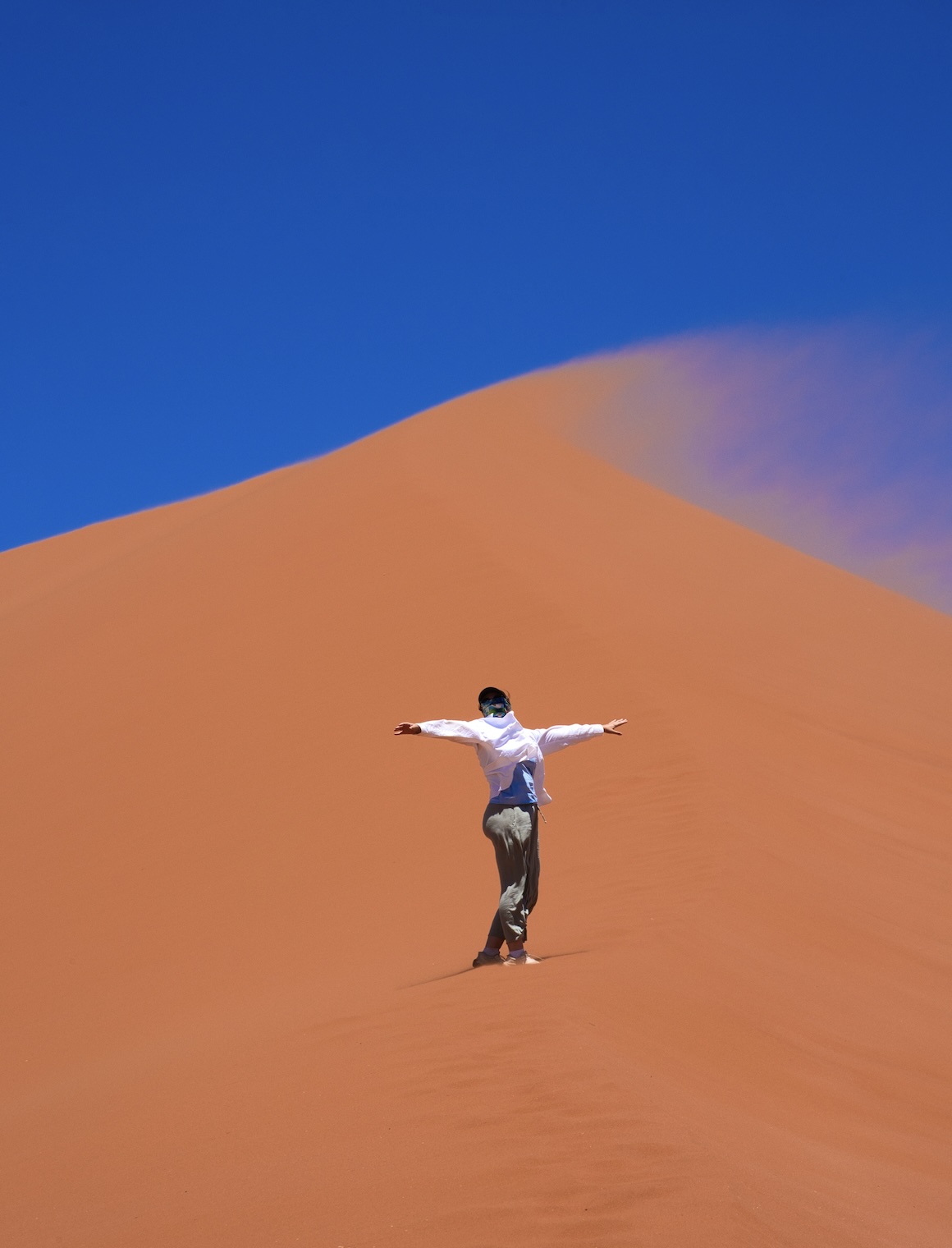
Dune 45: In the afternoon, we climbed Dune 45, one of the largest and most accessible dunes in the area. The climb is challenging in the soft sand, but the views from the top are incredible. We stayed for sunset around 6:30pm and watched the dunes change color as the light faded.
Big Daddy Dune: This is the tallest dune in the Sossusvlei area at over 300 meters. We spotted it at sunset on our first evening but didn't climb it. If you're more ambitious than us, you can tackle this massive dune, though it takes significant effort in the deep sand.
❤️ Our favourite tour, Sandwich Harbour 4x4! ❤️
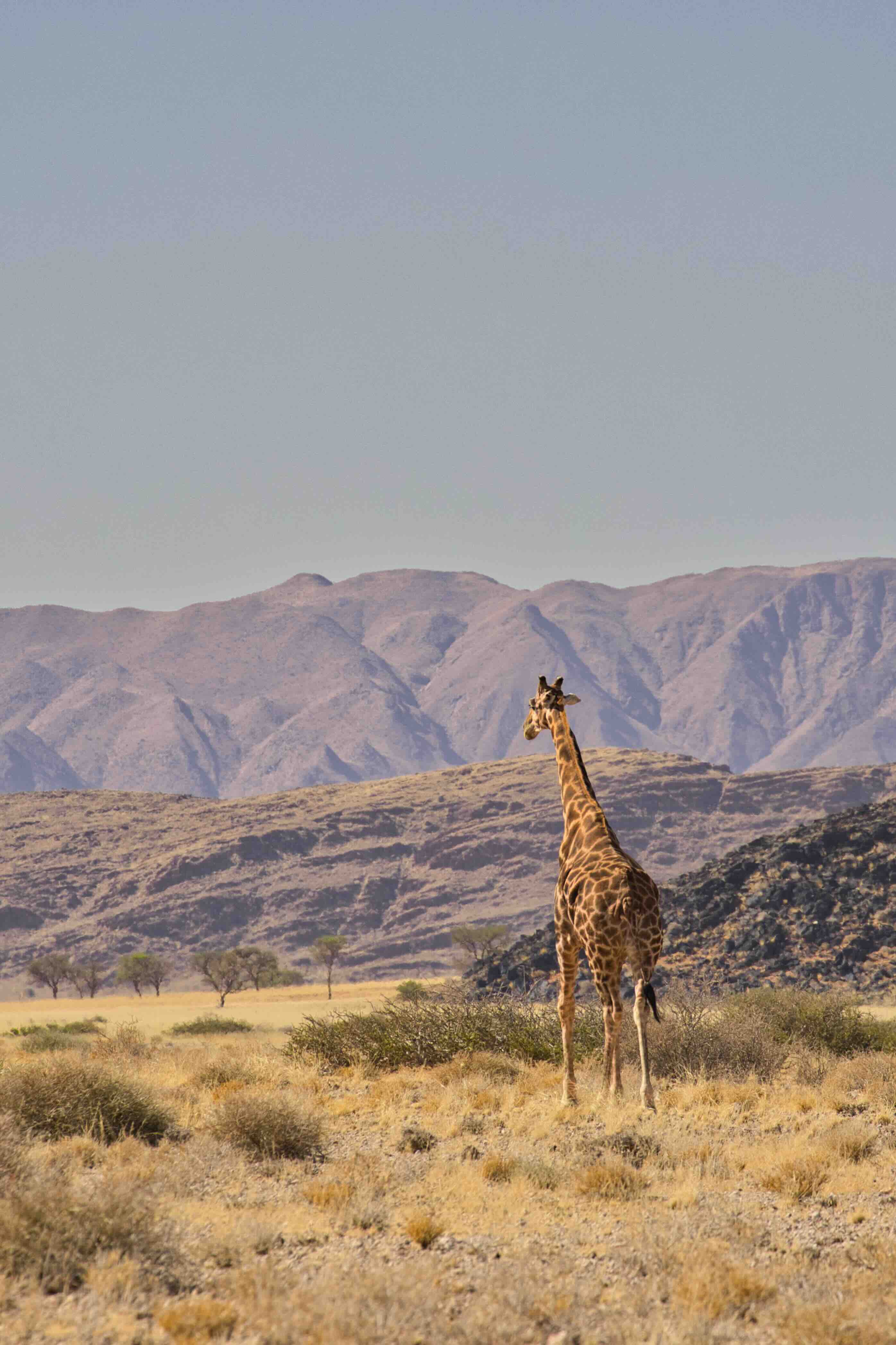
We left Sesriem and drove five hours to Swakopmund, a coastal town with a distinctly German colonial feel. The drive is almost entirely on gravel roads so you won't be able to drive at normal highway speeds. On the way we spotted lots of wild animals along road including Giraffe, Oryx and springbok. We stopped in Walvis Bay along the way to see the massive flamingo flocks that gather in the lagoon.
We stayed in an Airbnb in Swakopmund for two nights. The town is charming with German-style breweries, excellent restaurants, and a relaxed coastal vibe. It felt like a complete change from the desert we'd been exploring. We recommend staying outside of the town center as it's quieter and has better parking for rental cars.
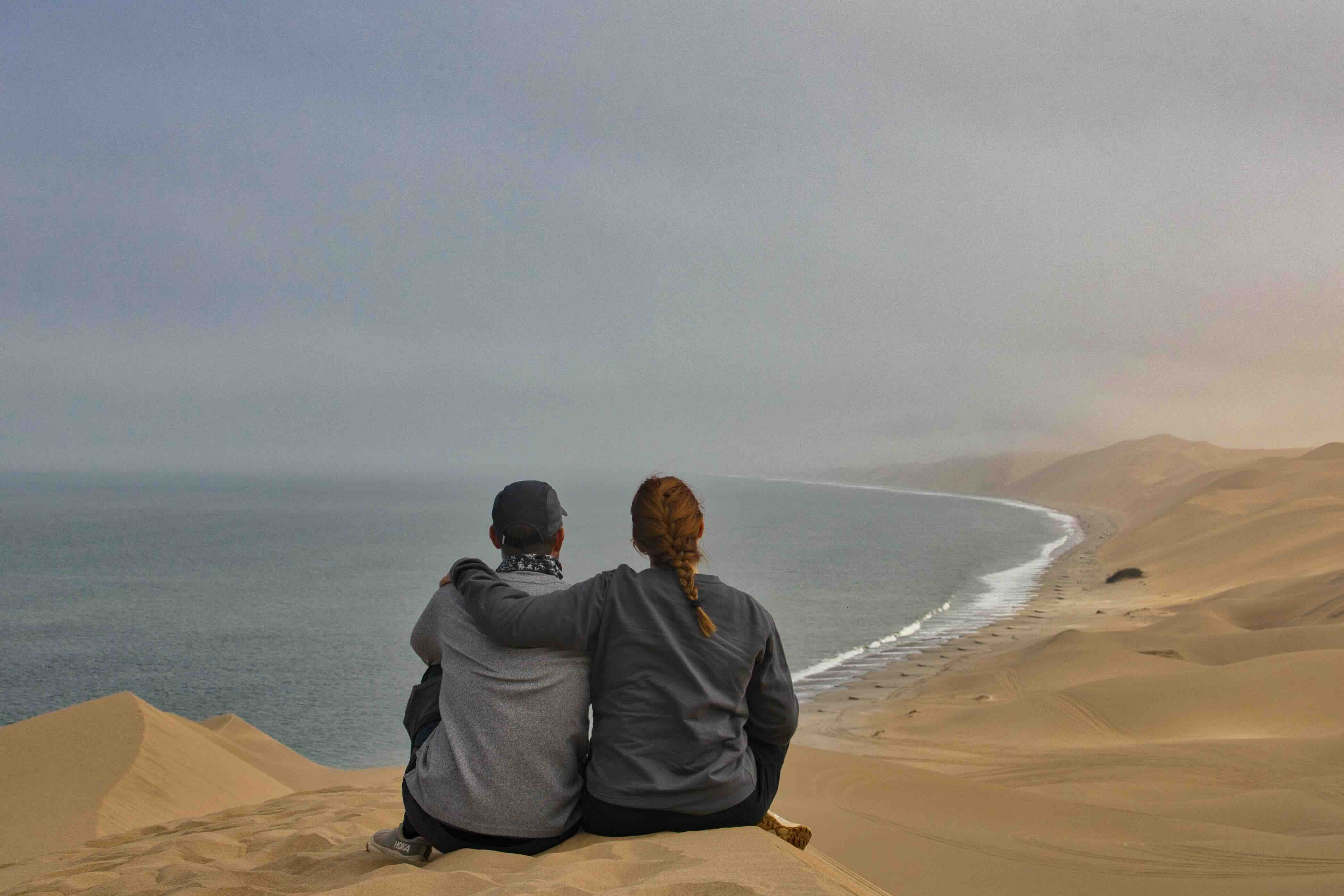
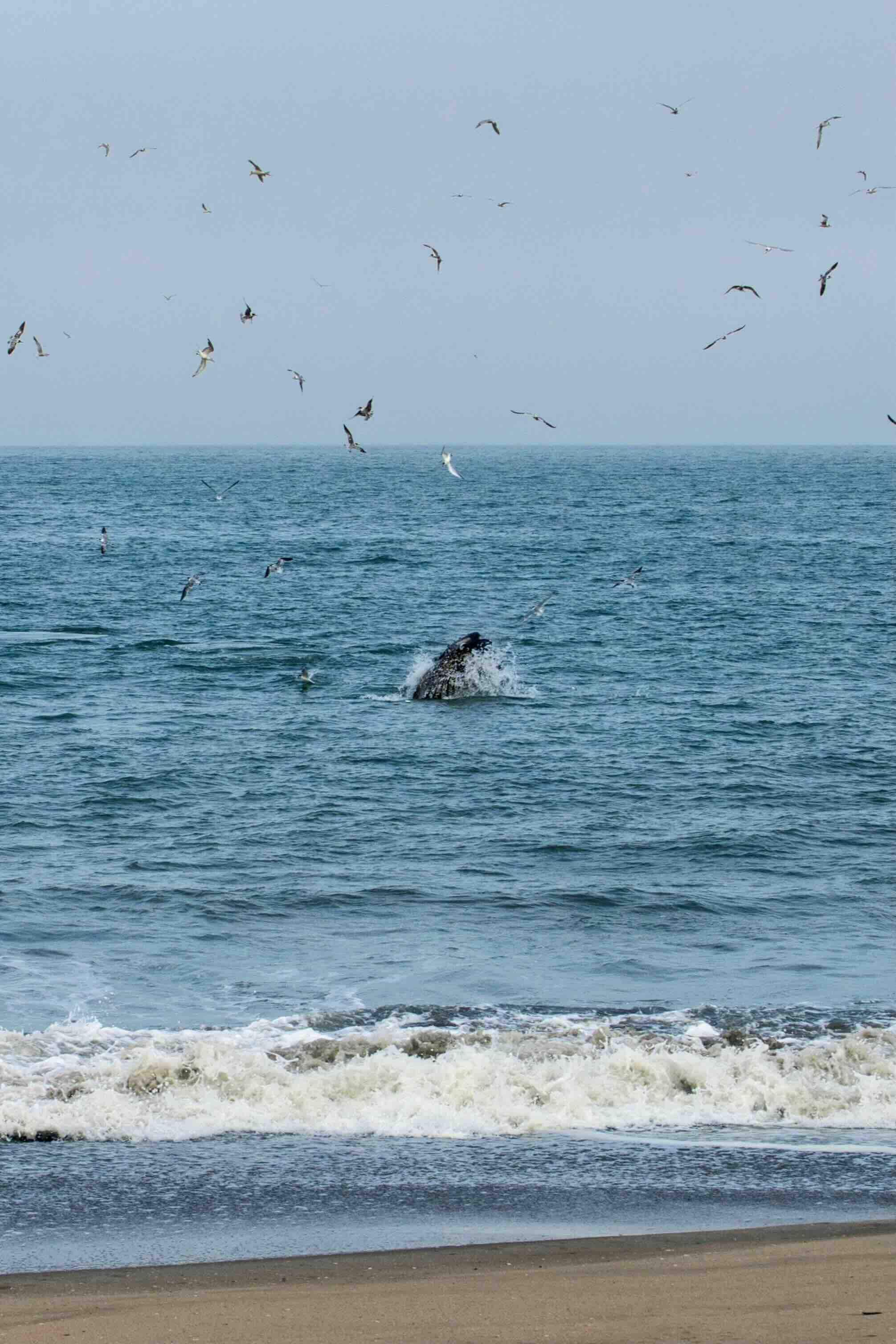
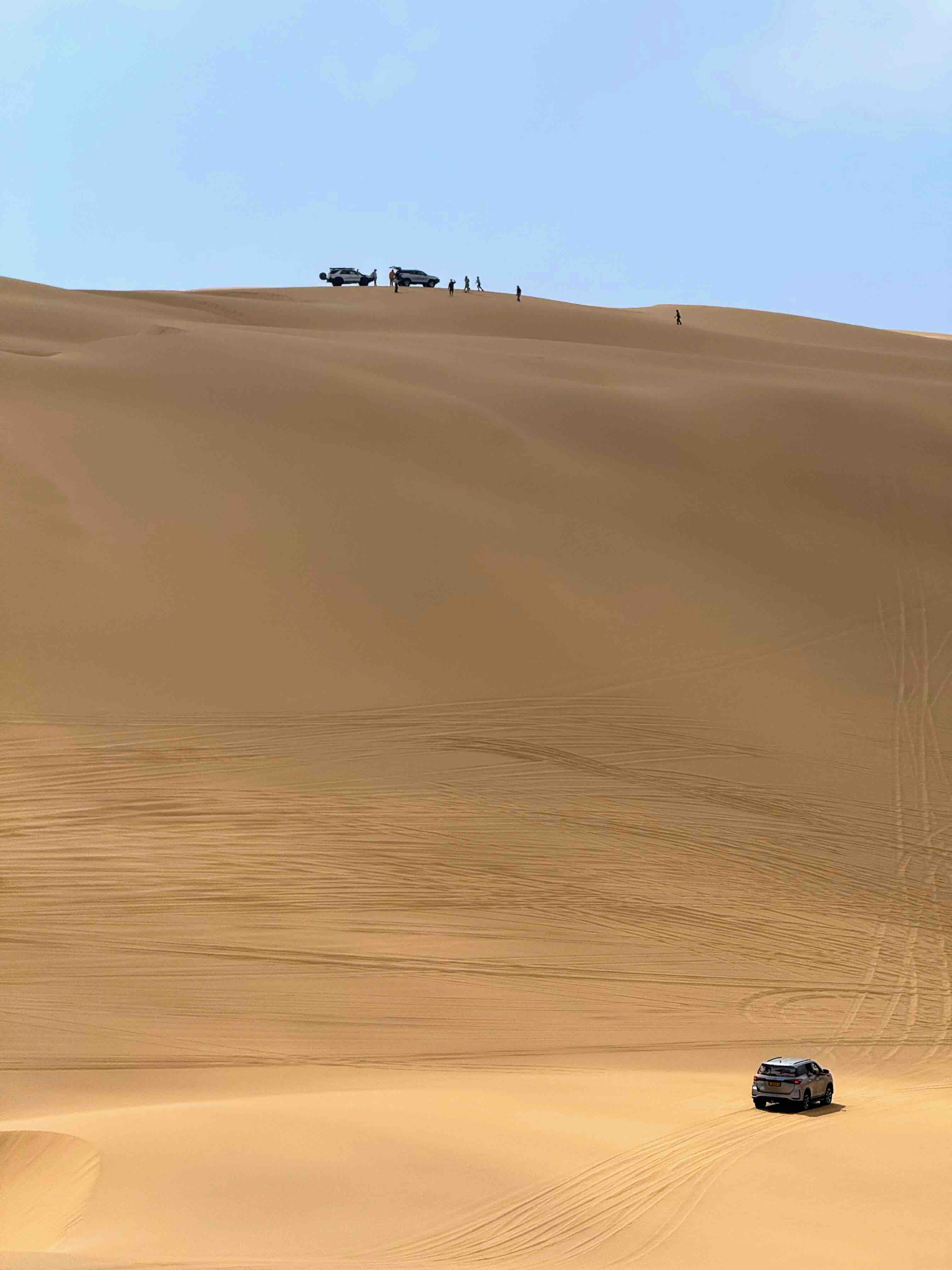
Sandwich Harbour 4x4 Tour: This was one of the highlights of our entire Namibia trip. We booked a half-day morning tour with M.N.G Tours, a locally owned tour company that had the best rates. The tour took us on a thrilling 4x4 drive through massive coastal dunes that drop straight into the ocean at Sandwich Harbour. There is nothing in the world quite like this landscape. We were there in November which is whale season and saw Humpback whales breaching 50m offshore. Just incredible.
⭐ Tip: Make sure to do the morning Sandwich Harbour tour as it lines up best with the tide ensuring the vehicle can make it all the way to sandwich harbour.
We drove north from Swakopmund for about 40 minutes, stopping briefly at Zeila Shipwreck Namibia along the Skeleton Coast National Park to get the famous shipwreck photo. The we went to Cape Cross Seal Reserve about 50 minutes up the coast. This is home to one of the largest Cape fur seal colonies in the world, with up to 100,000 seals during breeding season. The sight and sound of tens of thousands of seals is impressive. The smell is also overwhelming, so be prepared for that. Even through a mask we were still retching at the foul stench these beasts produce. But watching the seals interact, seeing the tiny pups nursing, and hearing the constant barking chorus was an incredible wildlife experience.
⭐ Tip: Cover up your hair in a hat or bandana. The stench will find its way into your hair and you'll be smelling it until you next shower.
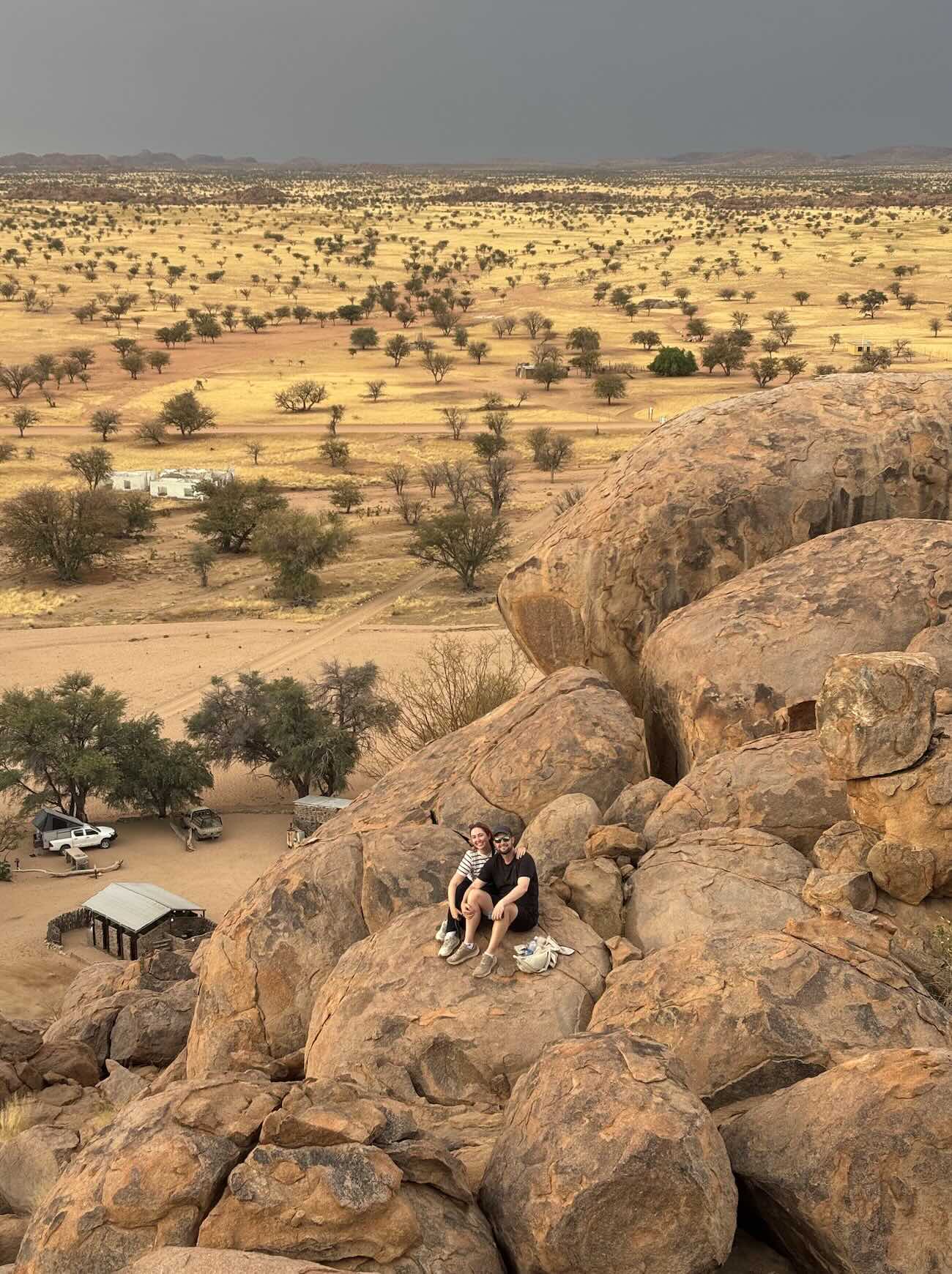
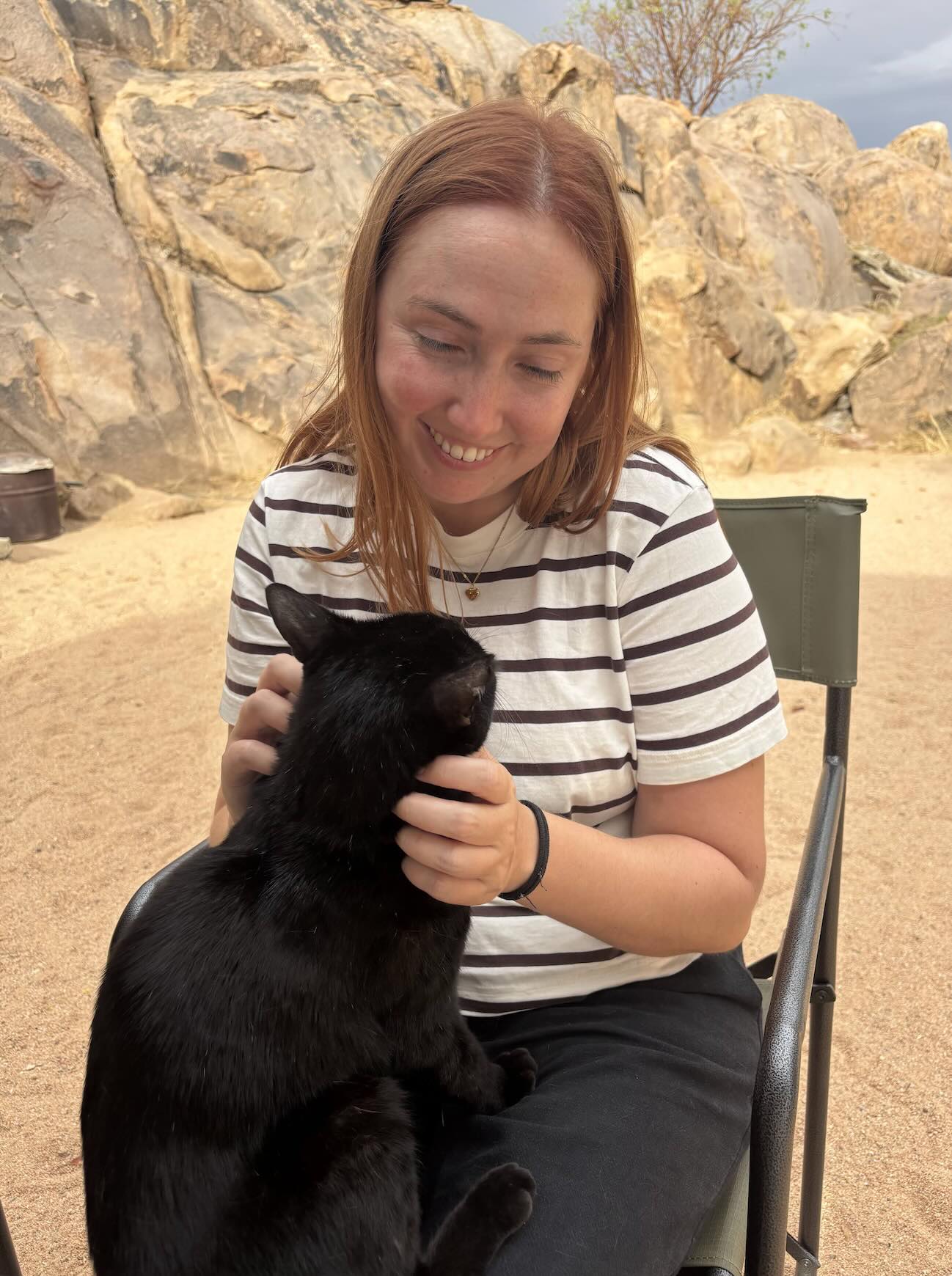
After Cape Cross, we continued driving for another 3 hours to reach Madisa Camp, a small, rustic camping spot in a remote area half way between Swakopmundn and Etosha National Park. The drive itself was beautiful, although entirely on gravel roads, cutting through stark desert landscapes. Madisa Camp is basic but has all the essentials for camping, including bathrooms, showers, and a lovely restaurant. Our campsite was very private and even had a feral cat that enjoyed cuddling up with us while we relaxed at camp.
Damaraland Elephants: The area around Madisa Camp is part of Damaraland, known for its population of desert-adapted elephants and rhinos. We didn't have enough time but we would recommend you book a guided tour from the camp to see these incredible animals in their natural habitat.
Himba Village: our drive through the Himba tribal lands so be respectful. They really appreciate if you bring additional water and donate it to them along the way. You will see their villages from the road and people will be on the side of the road selling handmade crafts. You can also book a visit to a Himba village if you want a more in-depth cultural experience.
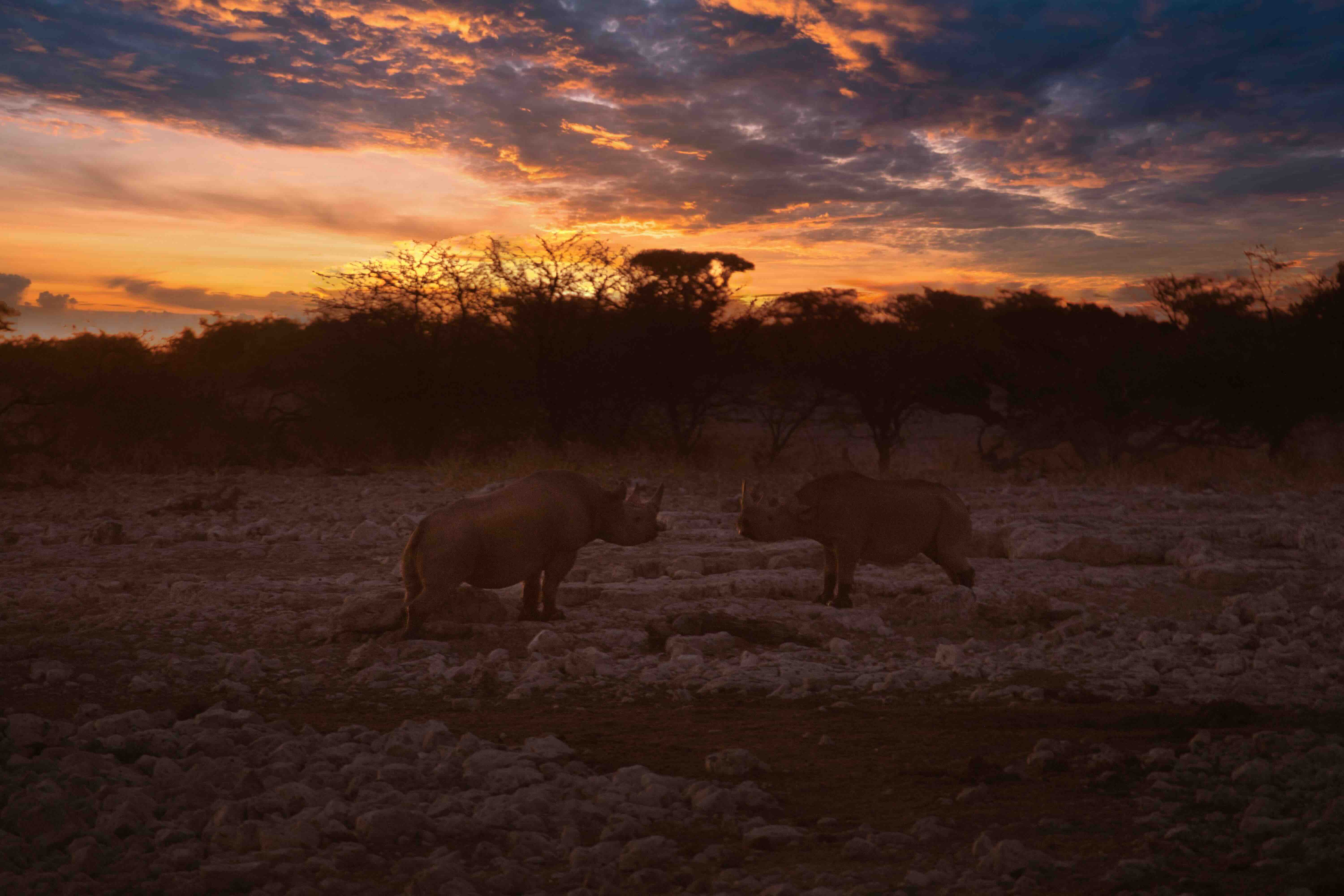
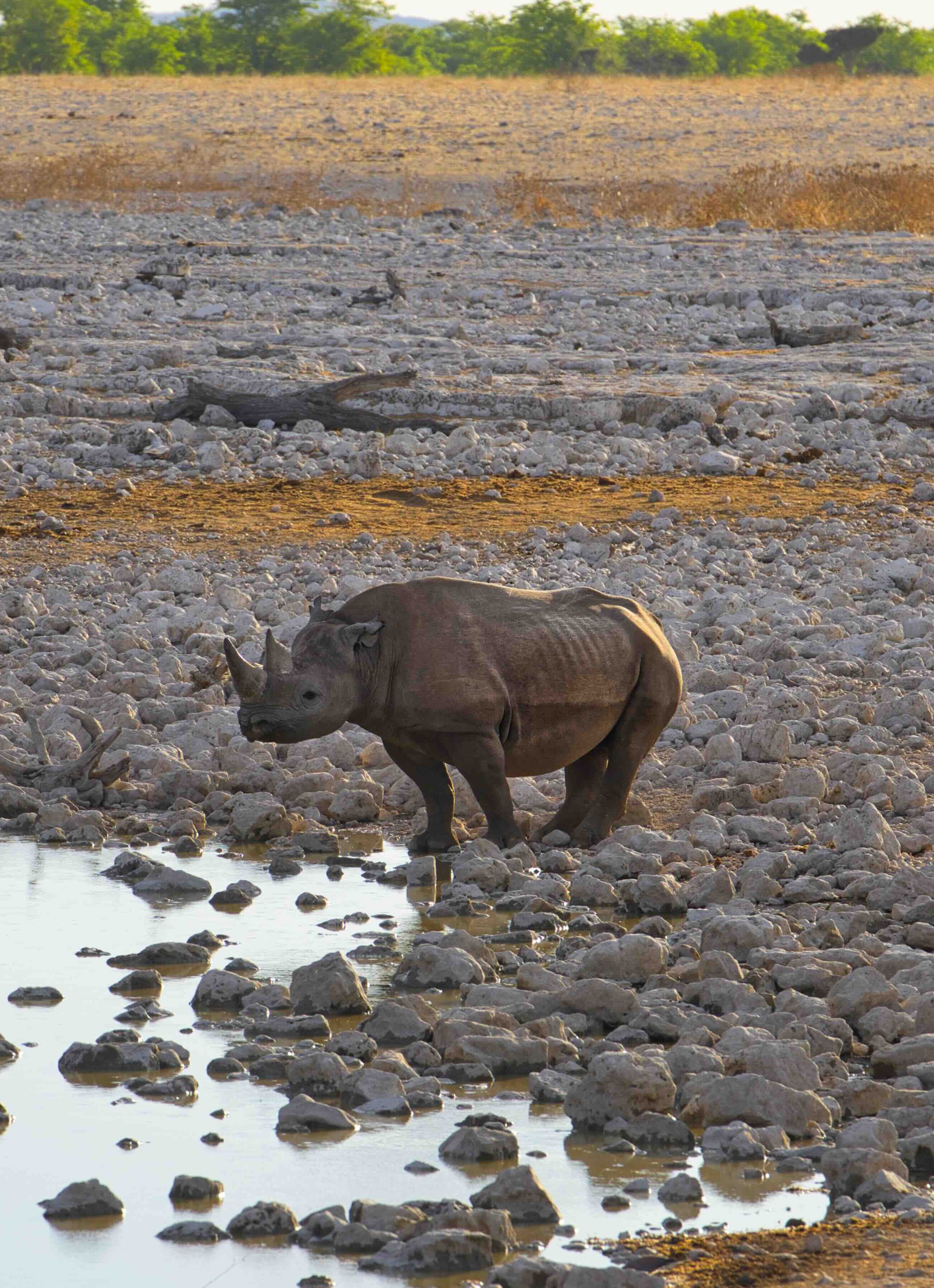
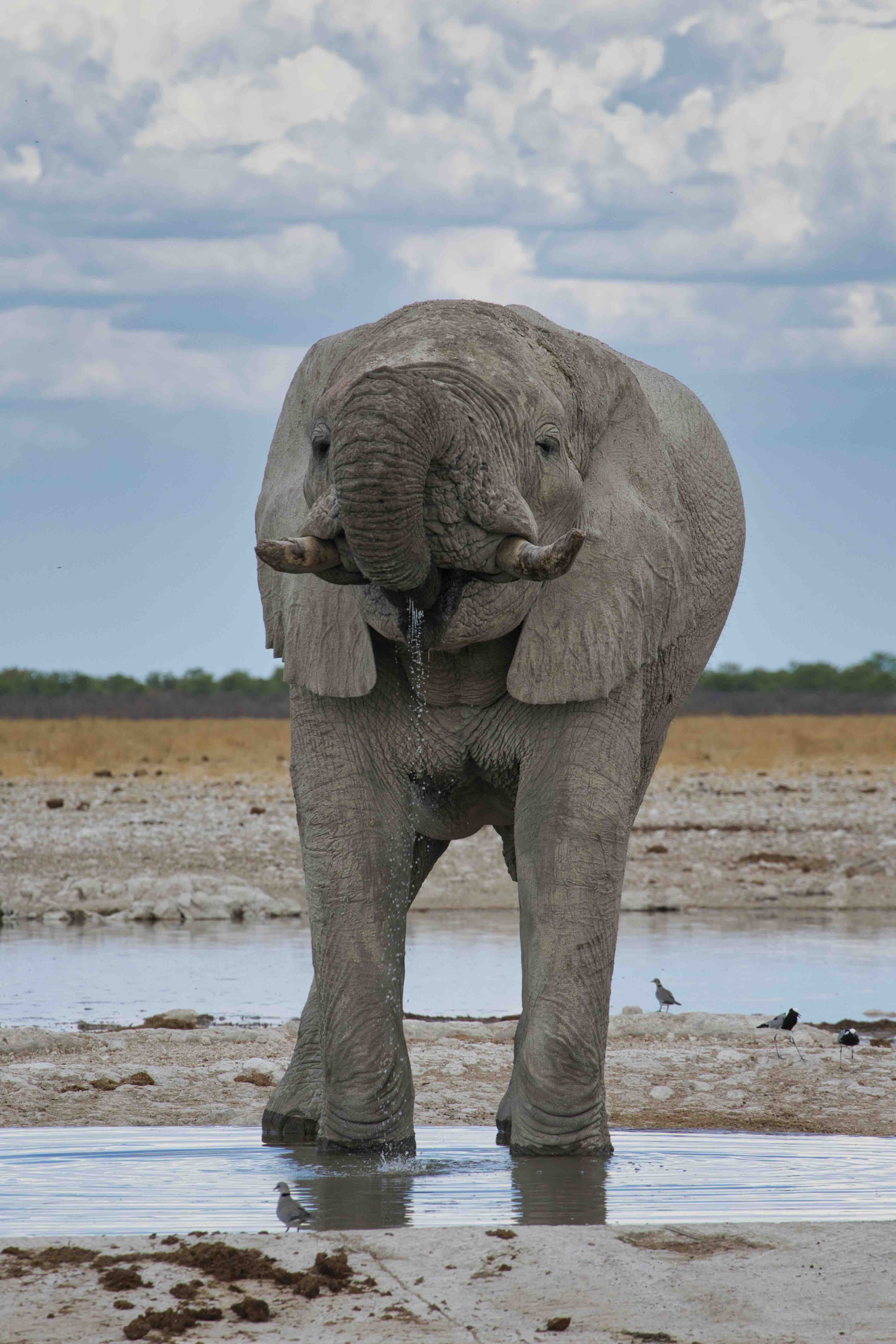
We left Madisa Camp and drove 3 hours to reach Etosha National Park. The last hour of the drive is back on paved roads which was a nice break from the bumpy gravel. There are a few different camps you can stay at inside the park, but largest is Okaukuejo. It's also the closest to the park entrance, and to Madisa Camp. We arrived at Okaukuejo Rest Camp around 4:00pm and set up our tent at the camping area. Okaukuejo is famous for its floodlit waterhole, which attracts wildlife throughout the night. We grabbed dinner and then spent the evening watching animals come and go at the waterhole, including elephants, black rhinos, giraffes, and various antelope species.
Day 1 in Etosha: We woke up before sunrise for a 5:30am game drive, which is the best time to see predators. We spent the morning driving ourselves through the park, stopping at various waterholes to watch for wildlife. After breakfast back at camp around 8:00am, we headed out for more self-drive exploration around 9:30am.
Day 2 in Etosha: We spent the full day on self-drives, departing around 9:00am after breakfast. We booked a sunset drive at 4:00pm, which the park offers as a guided option. The guides know where animals have been spotted recently, increasing your chances of seeing predators.
Guided tours are the only way you can be outside of the confines of the camp before sunrise or after sunset. Animals are most active after dark because it's much cooler, so you really shouldn't miss taking a couple of these tours!
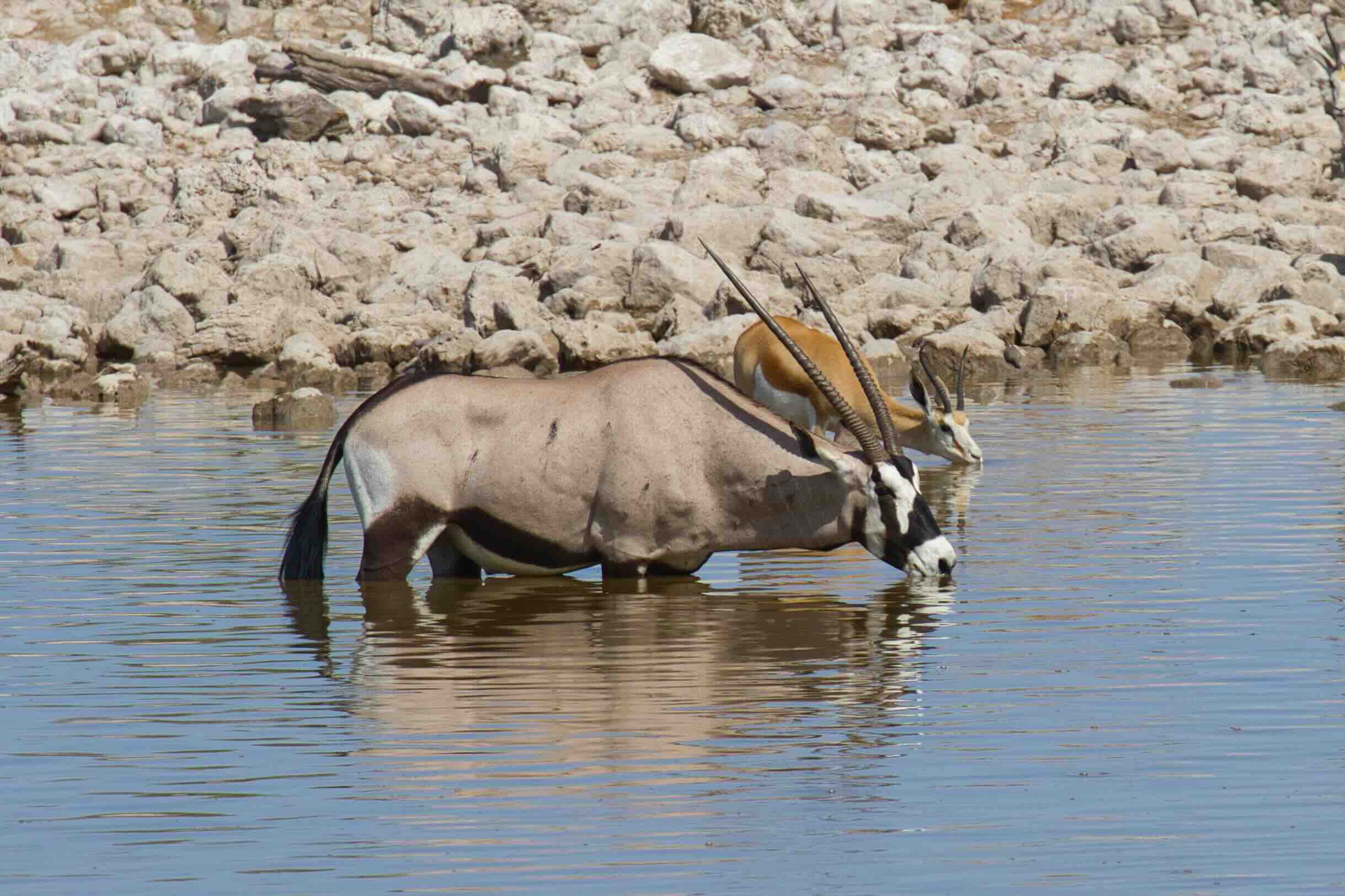
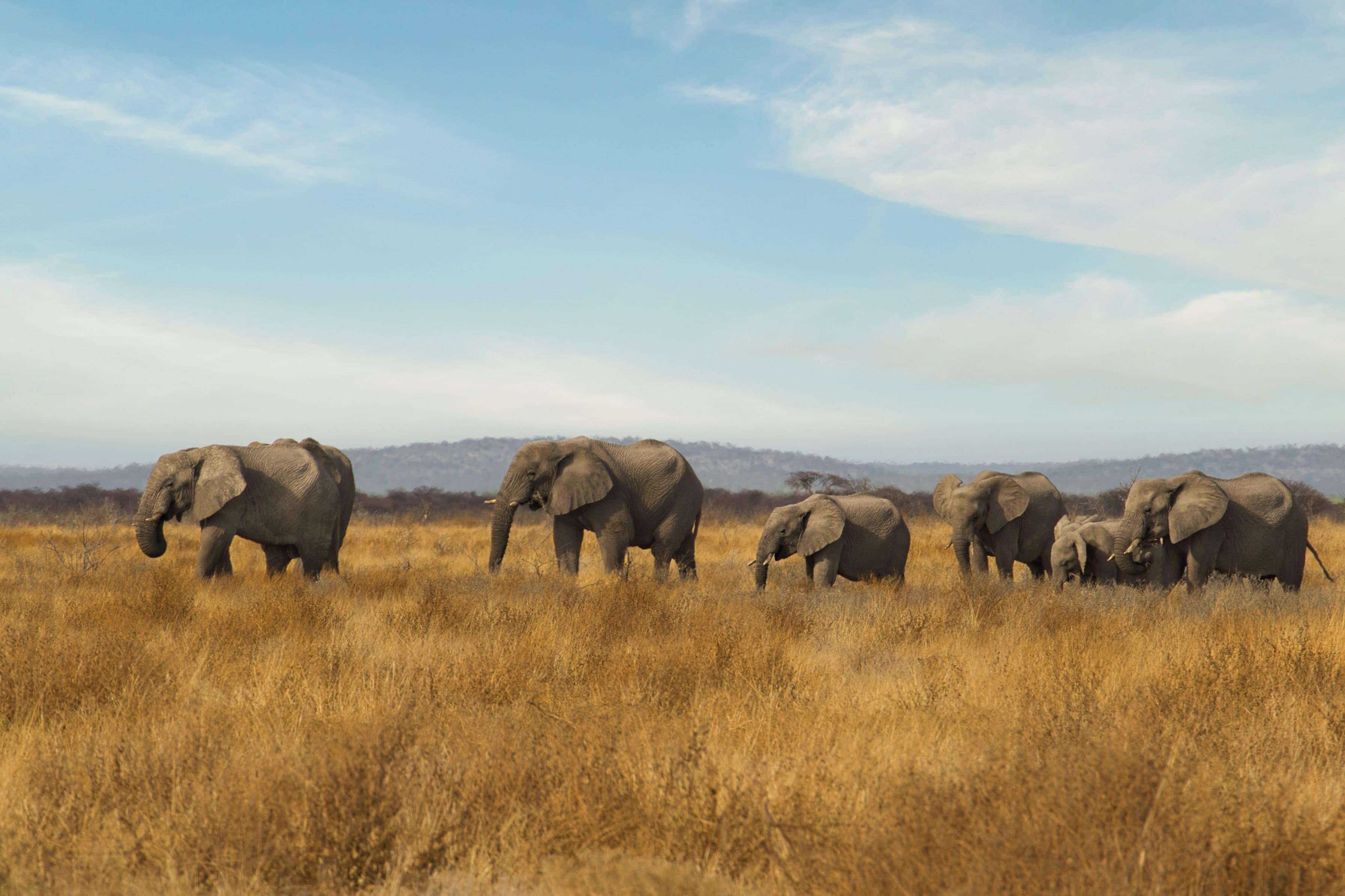
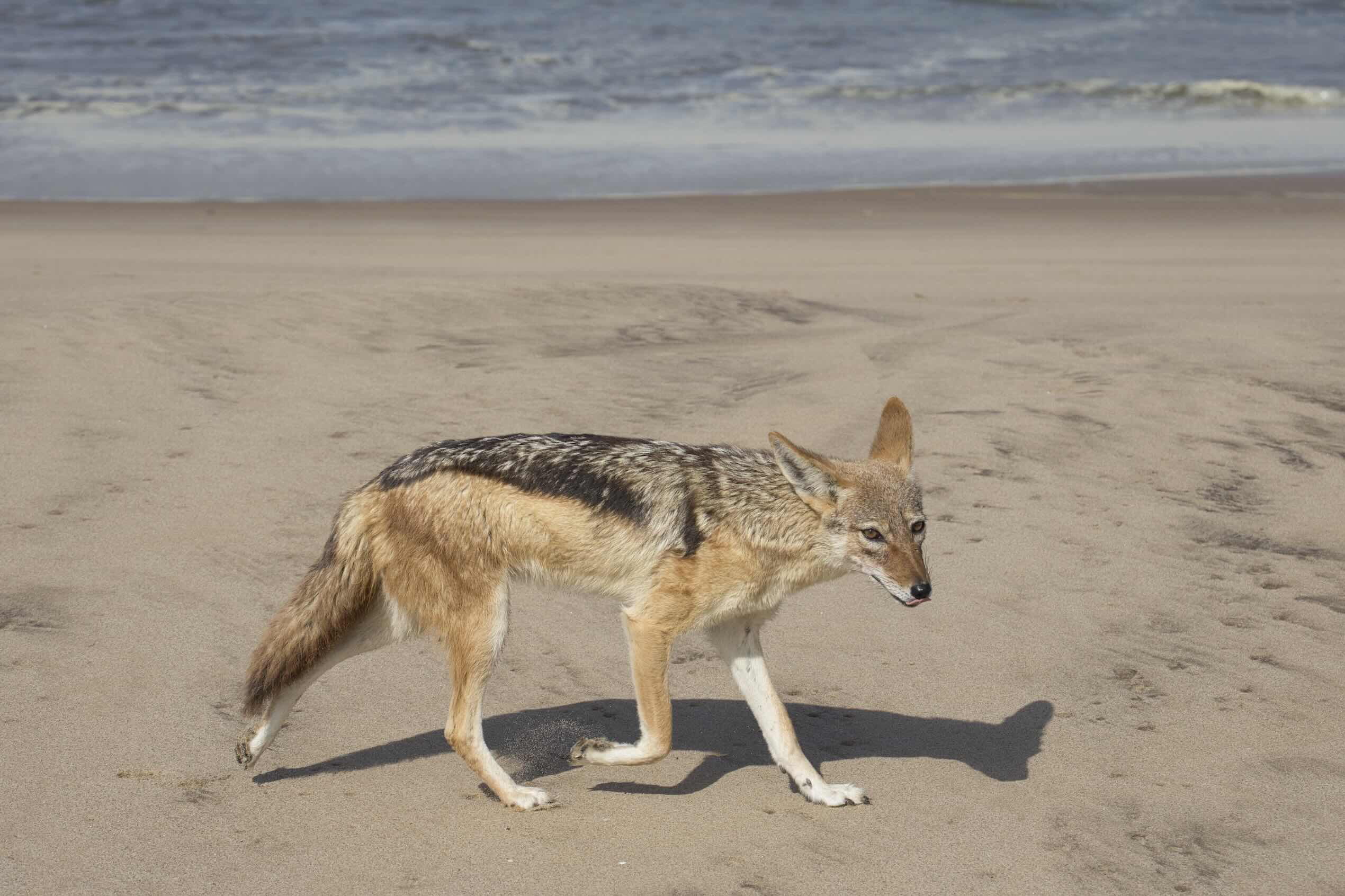
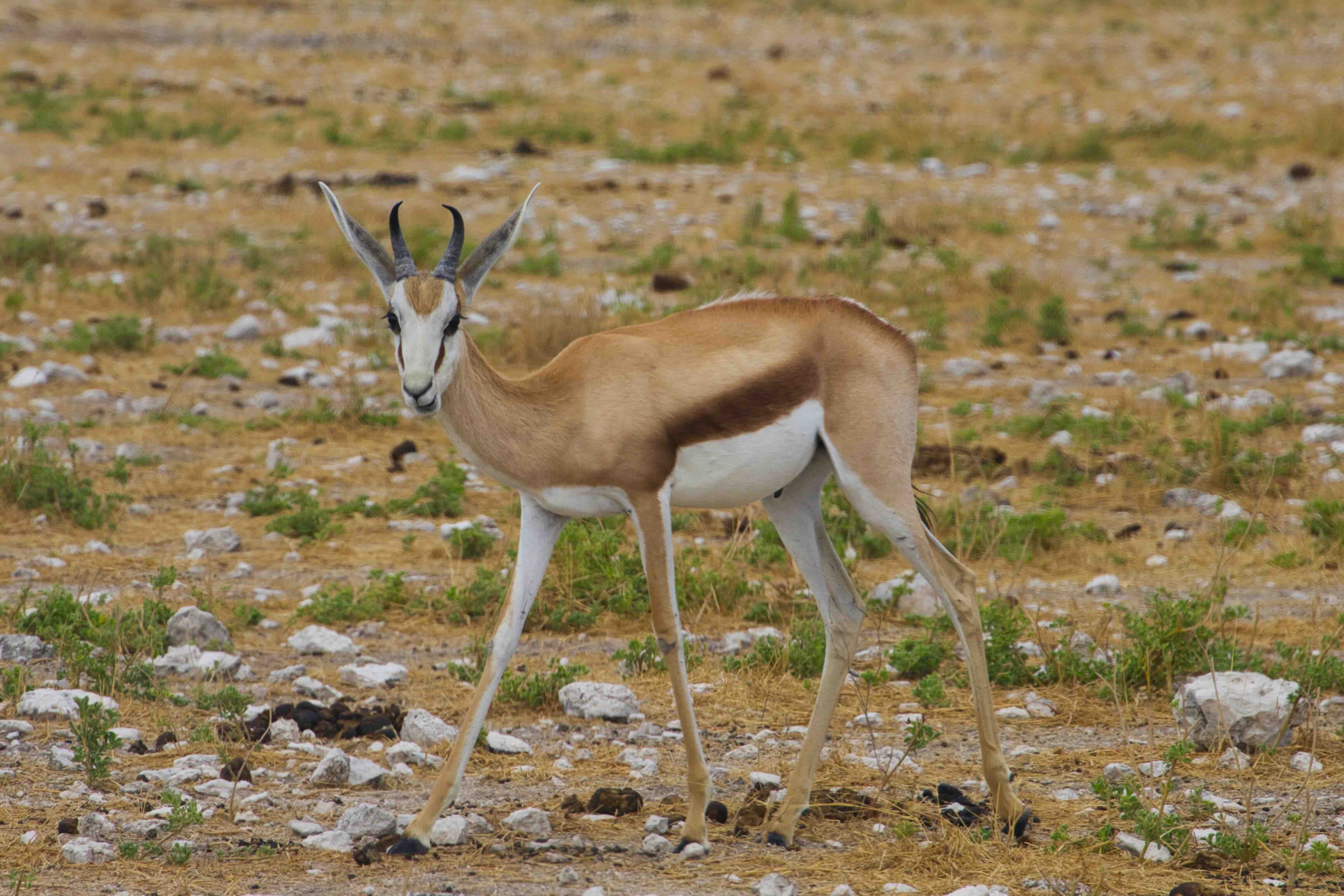
Over our two days, we saw elephants, giraffes, zebras, wildebeest, springbok, oryx, black rhinos, lions, and jackals. The diversity of wildlife in Etosha is incredible, and the self-drive format gives you the freedom to spend as much time as you want at each sighting.
The Okaukuejo waterhole at night remained a highlight, with black rhinos regularly visiting after dark.
We woke up early for our long drive back to Windhoek. The drive took about 4.5 hours, but thankfully it is entirely paved which makes it a lot more enjoyable. We had to drop off our rental car by noon so we departed camp at 6:30am, as soon as the gate opened, to give ourselves plenty of buffer time.
Returning the car took about 45 minutes as we had to go through the paperwork and inspection process again. so make sure to budget time for that when planning to catch a flight the same day. Asco does offer a complimentary shuttle service to Windhoek airport, but they only drive according to the schedule of departing flights, so check the bus schedule with them before you plan your return drive.
Yes, we highly recommend a 4x4. While some roads are paved, the majority of the route to Sossusvlei and Etosha involves gravel roads that can be rough and sandy. A 4x4 with high clearance provides better safety, comfort, and the ability to navigate deeper sand near Deadvlei.
Driving in Namibia is generally safe, but you must follow one golden rule: Do not drive at night. Wildlife is extremely active after dark, and gravel roads can be unpredictable. During the day, keep your speed down on gravel to avoid losing control or getting a flat tire.
Yes, by camping! Overlanding with a rooftop tent is the most popular and cost-effective way to see the country. While 4x4 rentals are expensive, you save significantly on luxury lodges by staying at well-equipped campsites.
Dust is everywhere! Pack your camera gear in dust-proof bags. You'll also need layers—the desert is scorching during the day but can drop to near freezing at night. Don't forget a good pair of binoculars for Etosha.
Camping: Most of our accommodations were camping, which saved money and put us right in the heart of nature. Campsites generally have decent facilities including bathrooms, showers, and sometimes pools.
Timing: Nine days was just enough to hit the main highlights without feeling too rushed. Most rental companies that rent overlanding vehicles will only rent for a minimum of 8 days, so keep that in mind when planning your trip. If you have two weeks, you could add more time in each location or include additional areas like Fish River Canyon in the south.
Season: We visited in early November, which is late in the dry season. This timing is excellent for wildlife viewing in Etosha as animals congregate at waterholes. However, it's quite hot in the desert areas.
Driving: Almost all roads in Namibia are gravel outside of the Windhoek and Swakopmund. Drive carefully, especially at higher speeds. We didn't encounter any issues, but the drive was extremely bumpy.
Entry Times: National parks have strict entry and exit times. Make sure you know when gates close and plan your drives accordingly.
Stargazing: Namibia has some of the darkest skies in the world. Don't miss the opportunity to stargaze, especially when camping in remote areas.
Namibia has become a highlight vacation for us. The landscapes are otherworldly, the wildlife viewing is world-class, and the sense of space and solitude is unlike anywhere else we've been. If you're planning a trip to Southern Africa, absolutely include Namibia in your itinerary. You won't regret it.