Planning a trip to Machu Picchu is not like planning most destinations. The 15th-century Inca citadel is one of the most extraordinary places on earth, and one of the most logistically demanding. Tickets sell out months in advance, train seats go fast, and if you pick the wrong circuit you'll miss the view that makes the whole journey worth it.
We visited in February as part of a longer Peru trip and even with all the hype, Machu Picchu was the highlight and exceeded our expectations. This Machu Picchu travel guide covers everything we wish someone had told us before we booked: how to secure tickets before they disappear, which circuit to choose, how to get there from Cusco, where to stay, and what it actually costs.
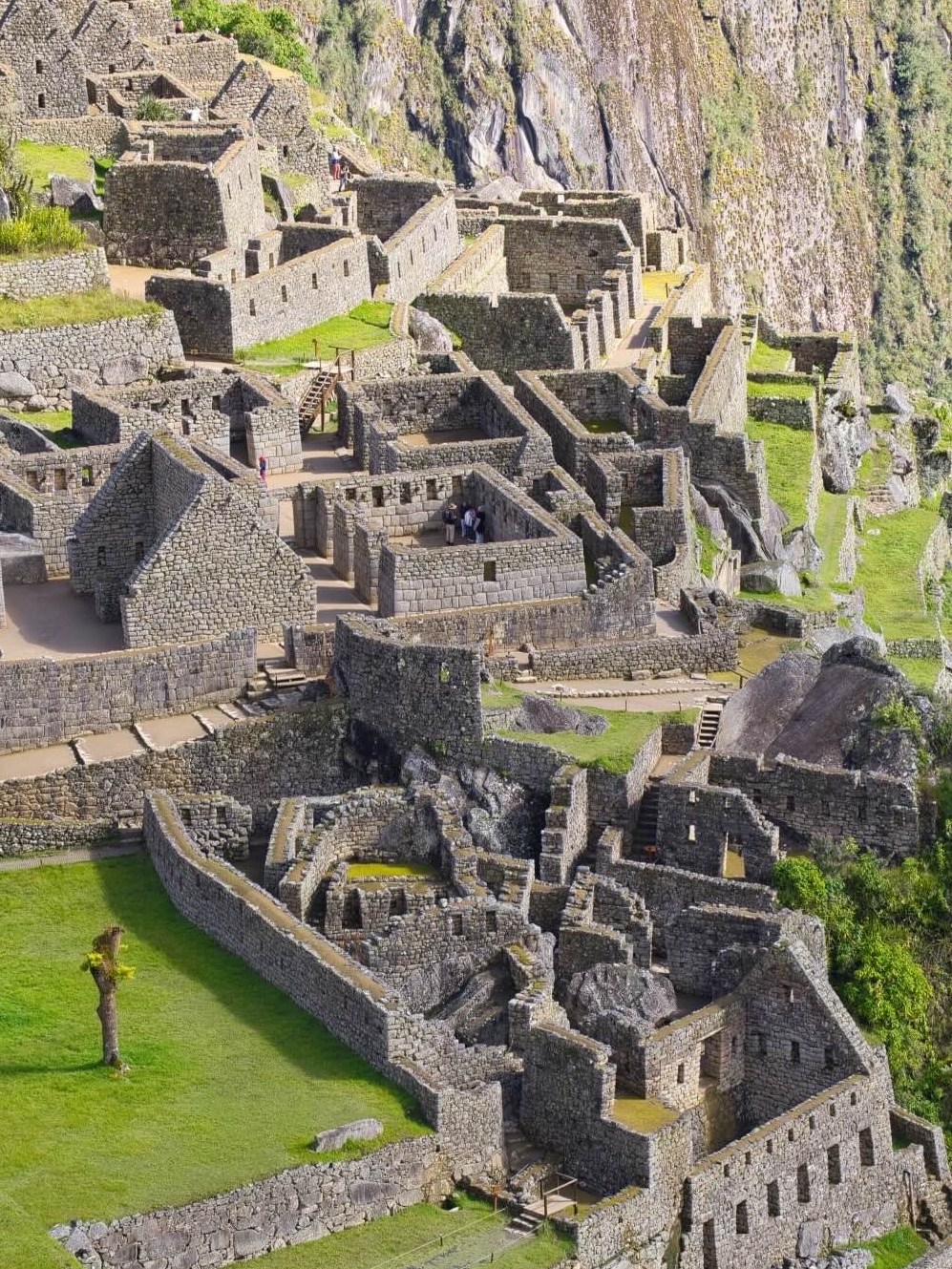
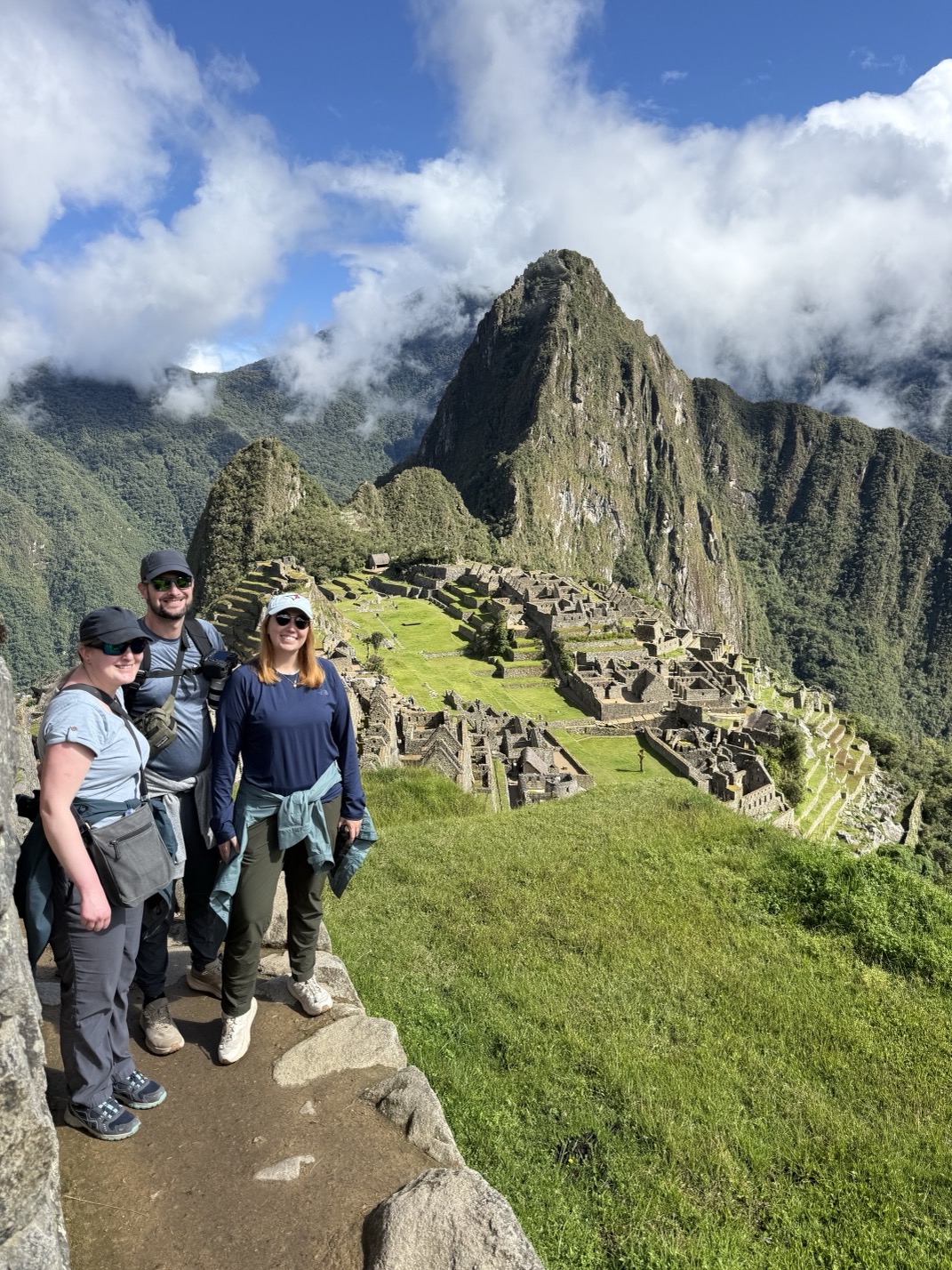
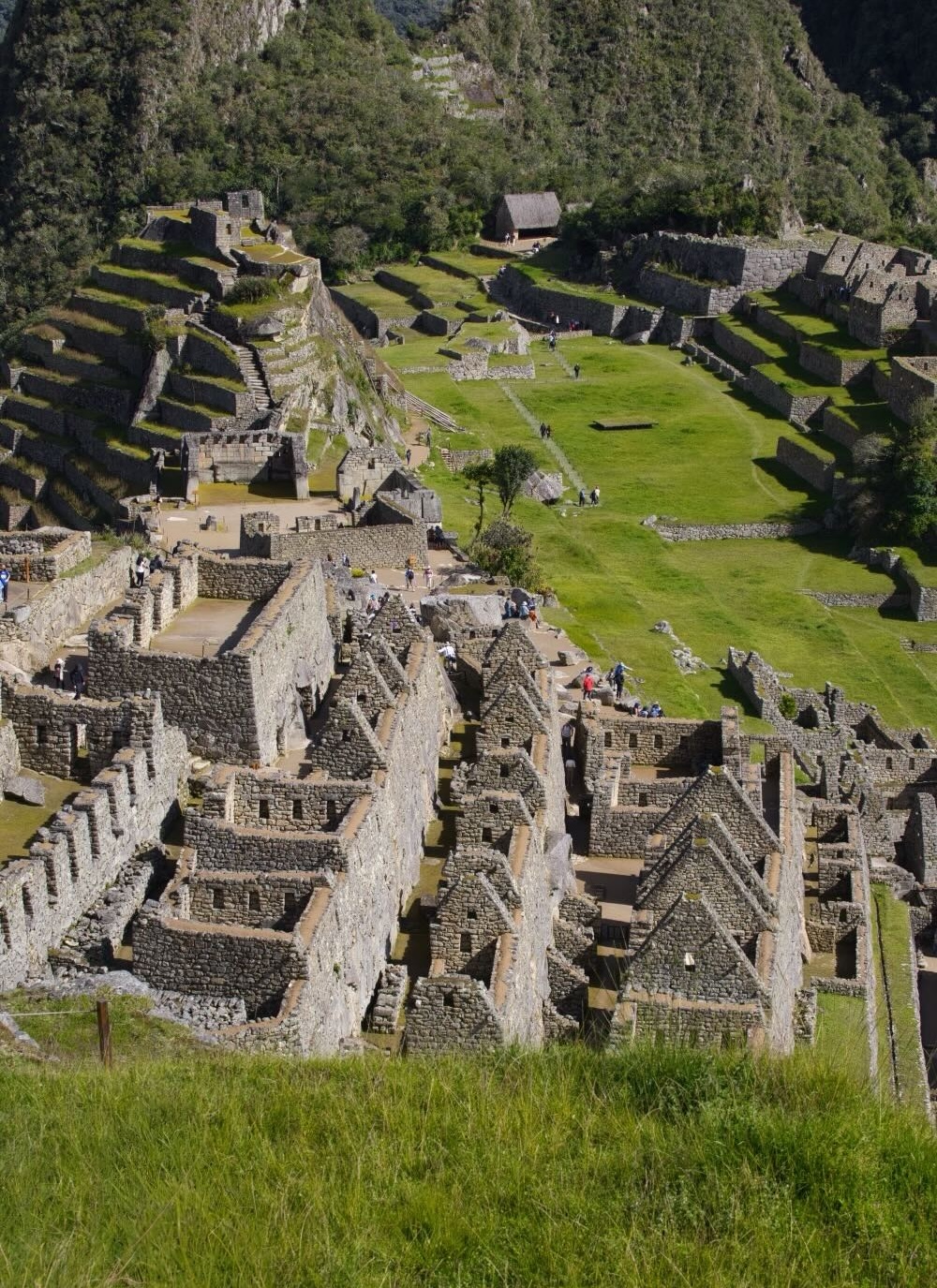
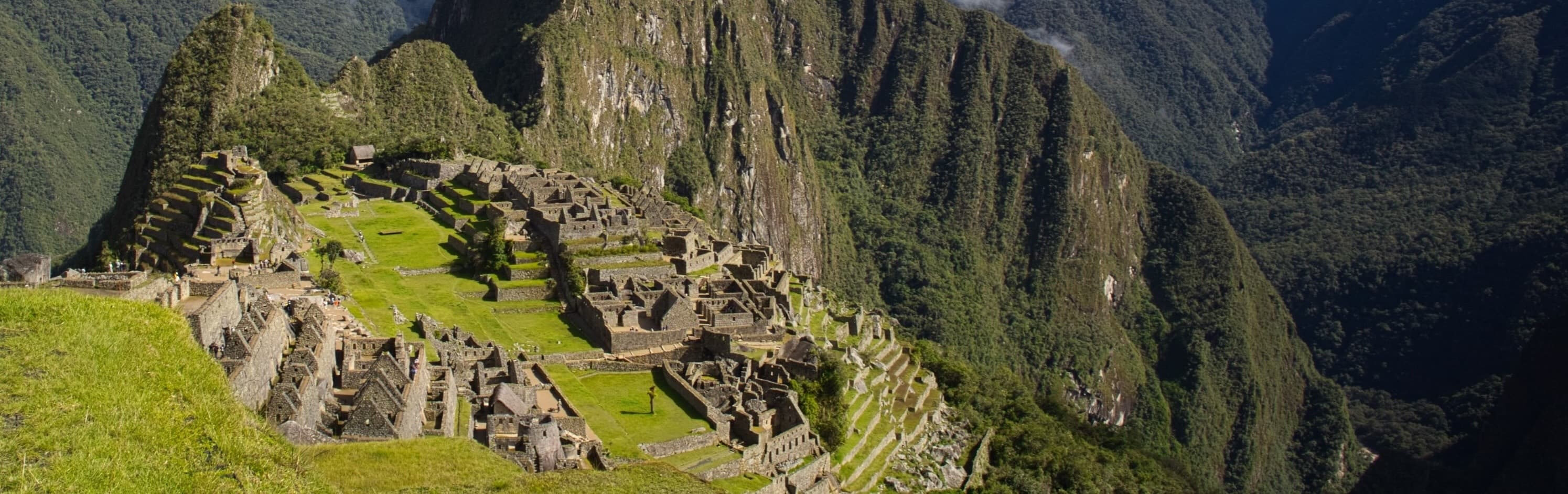
Machu Picchu is a 15th-century Inca citadel sitting at around 2,430 metres (7,970 feet) above sea level in the Cusco Region of Peru. It's a UNESCO World Heritage Site and one of the New Seven Wonders of the World. The site itself is enormous, over 200 stone structures spread across a ridge between two mountain peaks, Machu Picchu Mountain and Huayna Picchu. Entry is tightly controlled by the Peruvian government, with daily visitor caps, designated routes, and timed entry windows. This is good news for preservation, but it means you need to plan well in advance.
Fun Fact: Inca is the name of the ruling class, not the name of the civilization. The people who built Machu Picchu were part of the Inca Empire, but they were not called "Incas" themselves. Today they are referred to as the Quechua people, after their language, which is still spoken by over 8 million people today.
Although Peru is generally cheap to visit, Machu Picchu is not a cheap destination. Here's a breakdown of what we spent for two people over the Machu Picchu portion of our 2026 Peru trip (3 nights, 4 days):
| Budget Category | Cost for 2 people |
|---|---|
| Machu Picchu Entry Tickets (Route 2B) | $130 CAD |
| Bus tickets (return, Aguas Calientes to Machu Picchu) | $65 CAD |
| Train tickets (Ollantaytambo ↔ Aguas Calientes return) | $350 CAD |
| Colectivos (Cusco ↔ Ollantaytambo return x2) | $48 CAD |
| Accommodation (3 nights) | $180 CAD |
| Food & Drink | $200 CAD |
| Machu Picchu Guide | $110 CAD |
| Total | $1,083 CAD |
One day at the site itself is enough for most first-time visitors. The circuits run 2–3 hours with a guide, and you can spend another hour or two exploring independently afterwards before catching your train back.
That said, we recommend budgeting 4 to 5 days for the full Sacred Valley experience: at least one full day acclimatising in Cusco, one night in Aguas Caliente (your Machu Picchu day), and one night in Ollantaytambo. Rushing the logistics is the most common mistake people make. The entire Sacred Valley area is genuinely part of the trip.
This is how we would recommend you structure your Machu Picchu trip, with only a few minor adjustments from our original itinerary. We had a few extra days in the Sacred Valley because we had extra time, but we recommend a minimum of 5 days.
Day 1 & 2: Arrive in Cusco
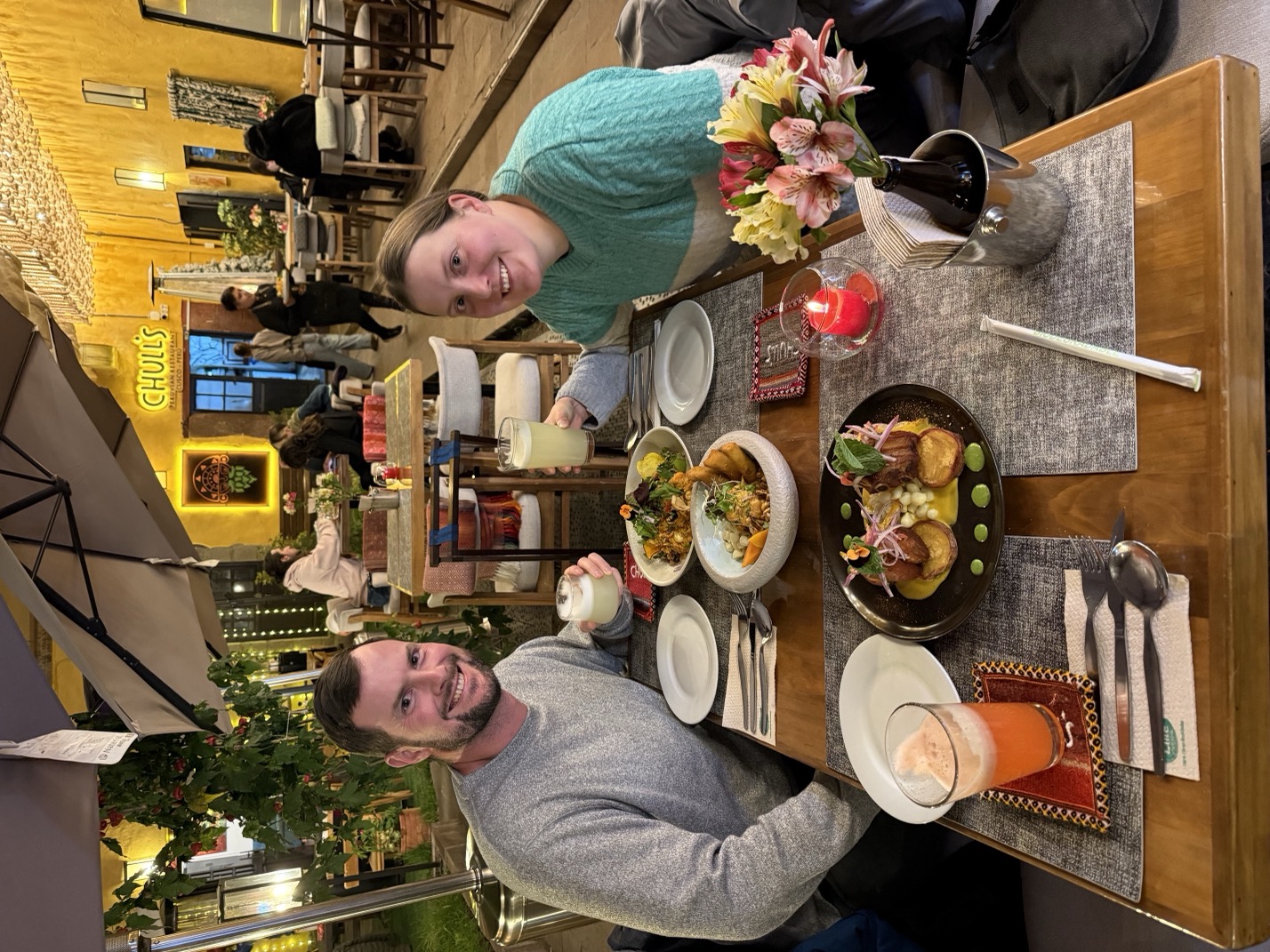
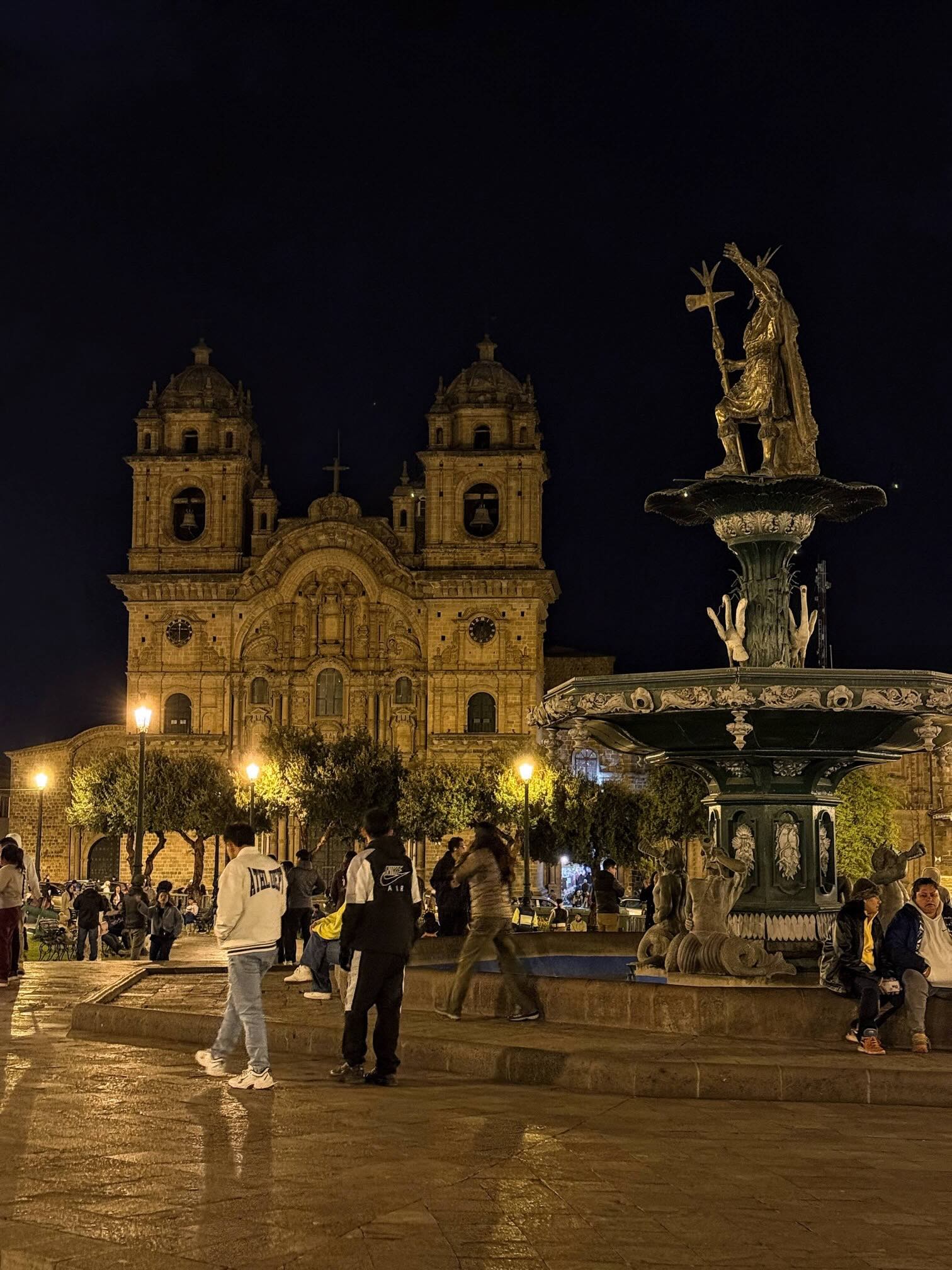
We stayed at a hotel in Cusco and took it slow to acclimatise to the altitude (3,400 metres / 11,150 feet). Explored the main plaza, had dinner, went to bed early. Do not underestimate altitude sickness in Cusco, give yourself at least a full day before doing anything strenuous. Altitude sickness can strike even the fittest person, everyone responds differently, so don't be too cocky.
Day 3: Cusco → Ollantaytambo → Aguas Calientes
We took a colectivo from Cusco to Ollantaytambo in the morning and spent the afternoon exploring the Ollantaytambo archaeological site. We dropped our heavy luggage off at our day 4 hotel before heading to the train station. Caught the Peru Rail Expedition train at 7:30pm, arriving in Aguas Calientes at around 9:30pm. Checked into our hotel, had a late dinner, and prepped our things for the early morning.
Important Note: Large bags are not allowed in Machu Picchu and the trains have limited luggage storage. You will need to leave your big luggage in Cusco or Ollantaytambo and bring overnight bags instead. This is the benefit of staying in Ollantaytambo because you can leave your luggage there.
Day 4: Machu Picchu (Route 2B) → Back to Ollantaytambo
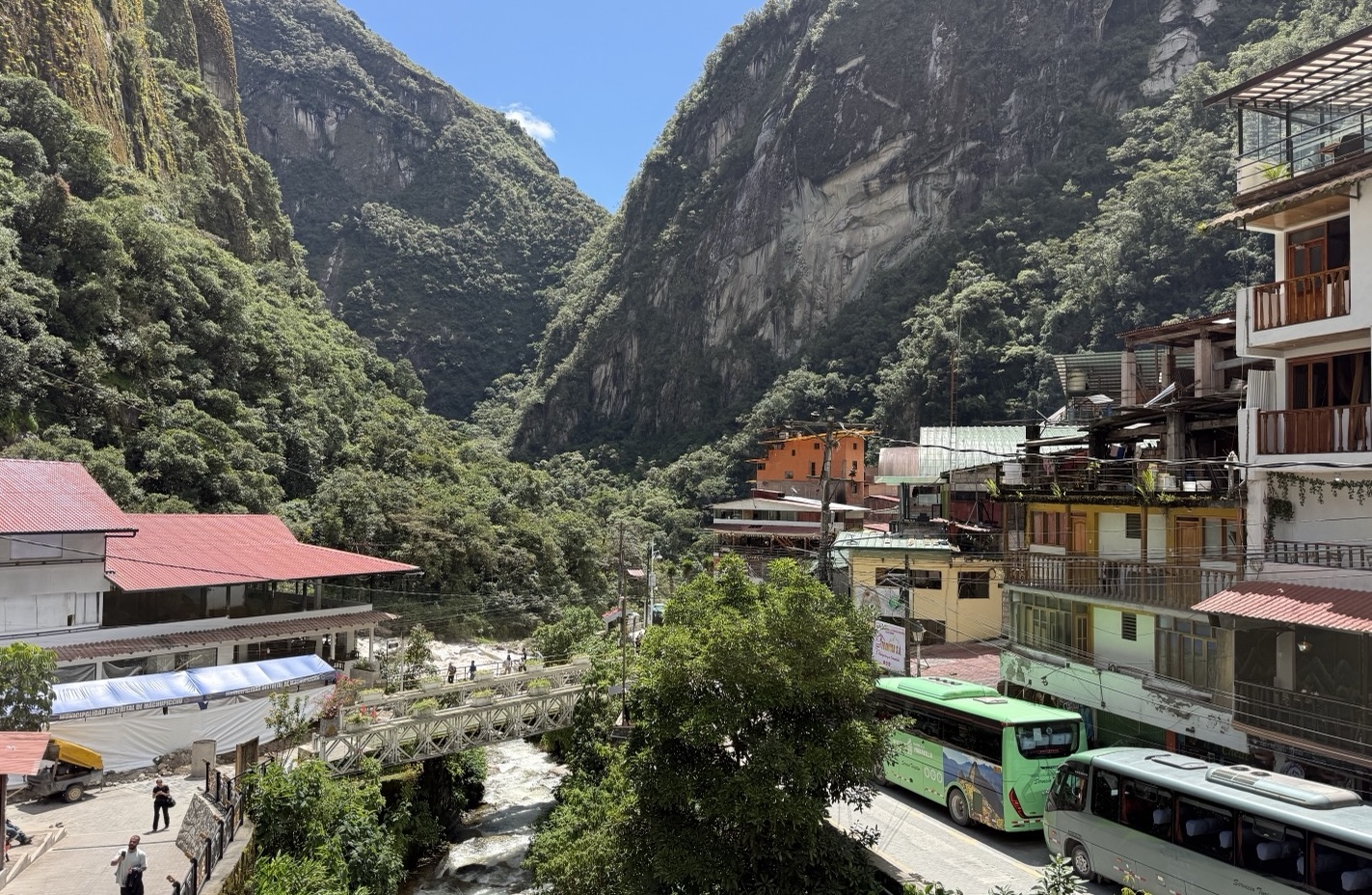
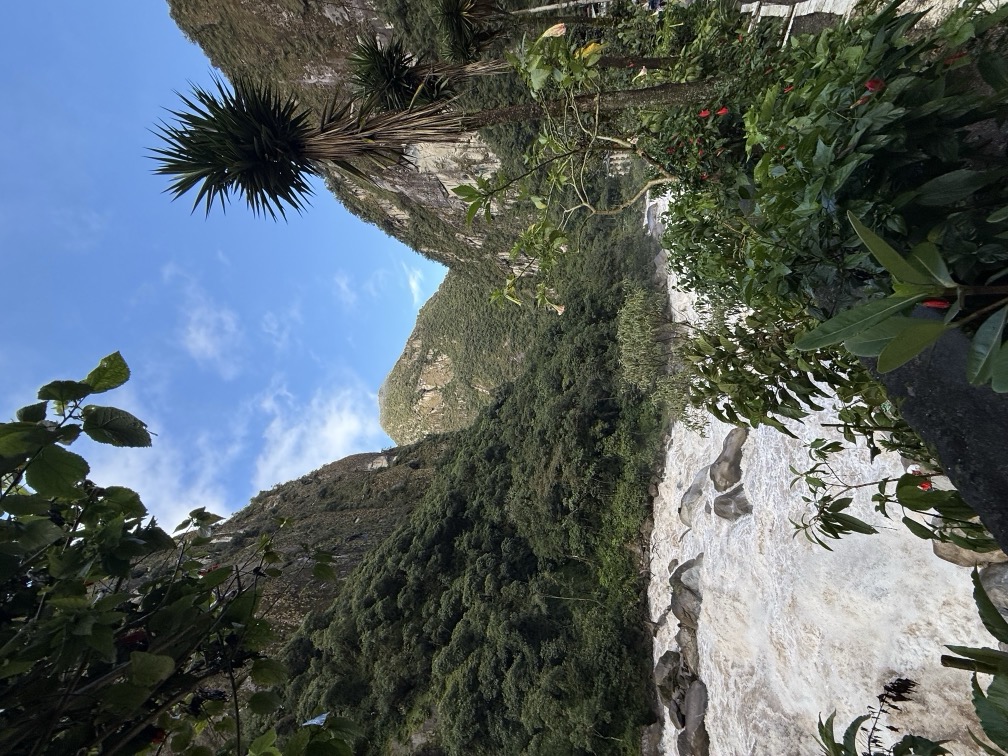
Woke at 6:30am and joined the queue for the bus up the mountain (7:00am departure). Several guides approached us while we were queueing and we picked the one who spoke the best English. Our ticket was timed for entry at 8am on Route 2B and the bus got us up there by 7:40am. After our tour, we left the site around 12pm, had lunch by the rushing river that runs through Aguas Calientes. We then explored the market before catching our train back to Ollantaytambo at 2:30pm. Checked back into our hotel and had dinner in town. A much-deserved meal after the day.
Day 5: Ollantaytambo → Cusco
The following morning we took a colectivo back to Cusco. Easy and relaxed day to wind down before continuing the rest of our Peru trip.
Book in advance. Machu Picchu tickets can sell out the day they are released on the website, so being flexible is key. In 2026 they released each month of the year on subsequent days in January. For example, tickets for February 2026 were released on January 12th, tickets for March 2026 on January 13th, and so on. When we logged on minutes after tickets were released, the 9am timeslot for our date was already full.
How to book: Tickets can be purchased through the official Peruvian Ministry of Culture website. The site can be a little clunky and occasionally goes down under heavy traffic, so be patient. If it's not loading try a Peru VPN or changing the website to be in Spanish. Both these things resolved our issues. You can also book through a tour operator and they will purchase the tickets for you, typically for an additional fee. Worth noting: if you're booking for yourself, make an account on the government website a couple of days before the tickets go on sale. That way you won't be racing to make and verify an account while others are snapping up your tickets!
They also sell 1000 tickets daily at the ticket office in Aguas Calientes. You must arrive early in the morning (before 6am) to try to get one of these. It's not guaranteed, and we wouldn't recommend relying on this method.
Important: Your ticket is tied to your passport number and a specific entry time. You cannot transfer it to someone else.
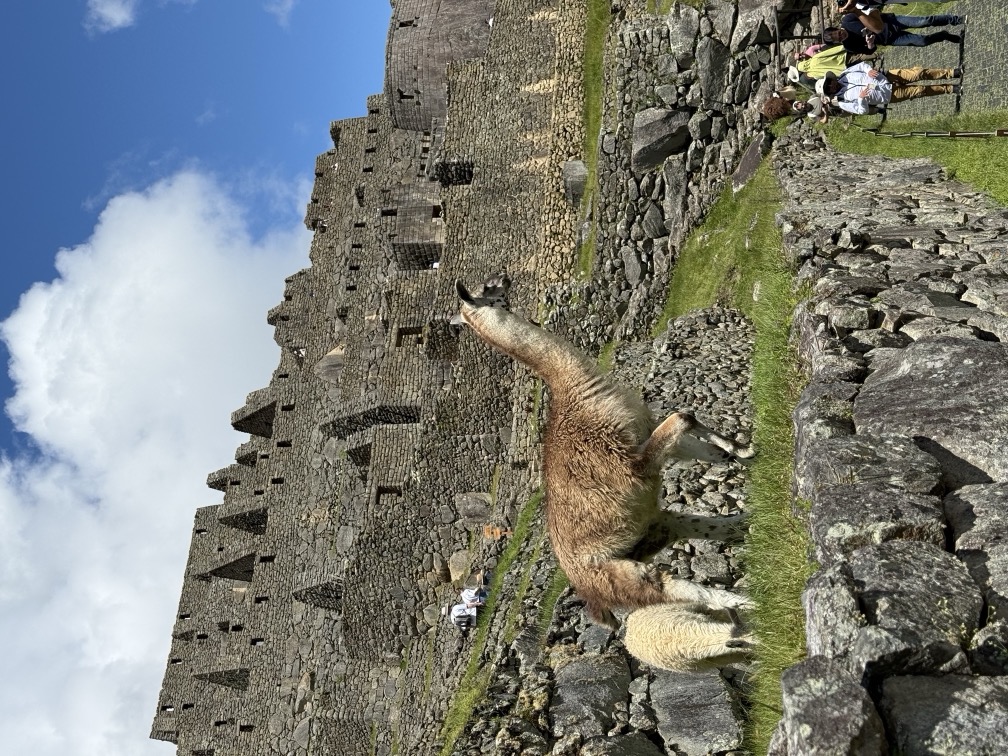
Machu Picchu is divided into numbered circuits, and you must choose one when buying your ticket. The circuit you select determines which parts of the citadel you see and how you experience the site. There are currently three main circuits, but the most popular for first-time visitors is Circuit 2A and 2B.
Circuit 2B is widely regarded as the best option for first-time visitors and it's the one we chose. It includes the classic panoramic overview of the entire citadel from above, the terraces, the agricultural zone, and you get to walk through the main urban sectors.
Circuit 2A This has a lot of overlap with 2B, the route just goes one platform below the 2B platform for the photo opportunity.
Our experience: We entered at 8am on the 2B route and had plenty of opportunities to take photos without huge crowds. February is the off season, so the number of visitors is capped at a lower number, which we appreciated. We got a beautiful sunny day without clouds, and it took us around 2.5 hours to hike the circuit with a guide.
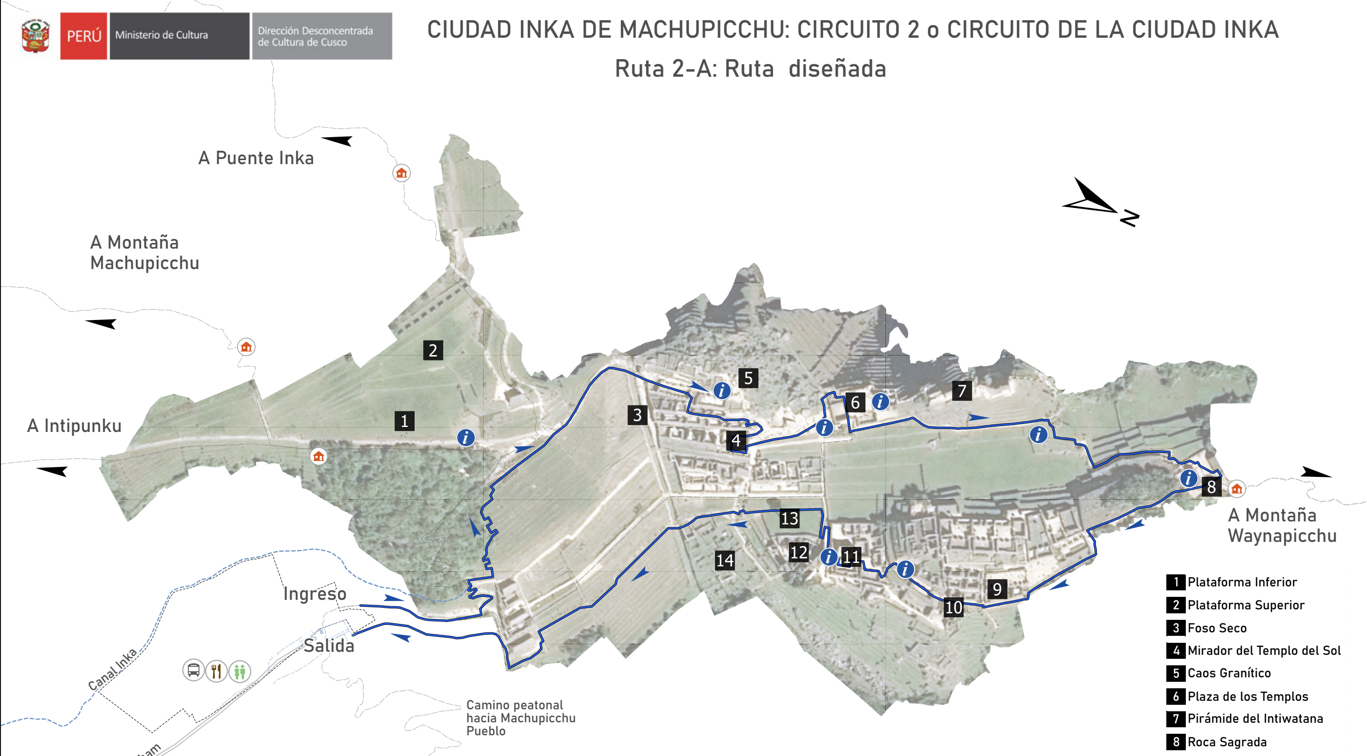
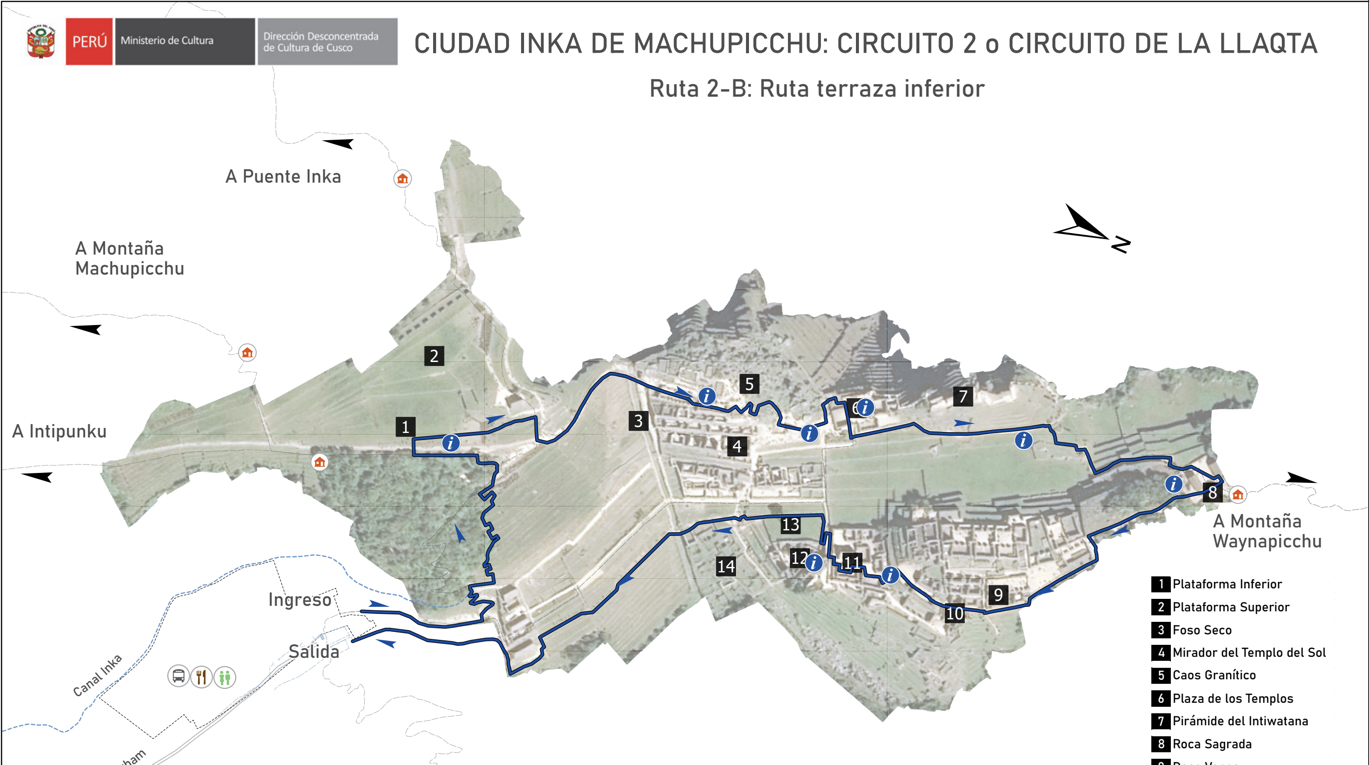
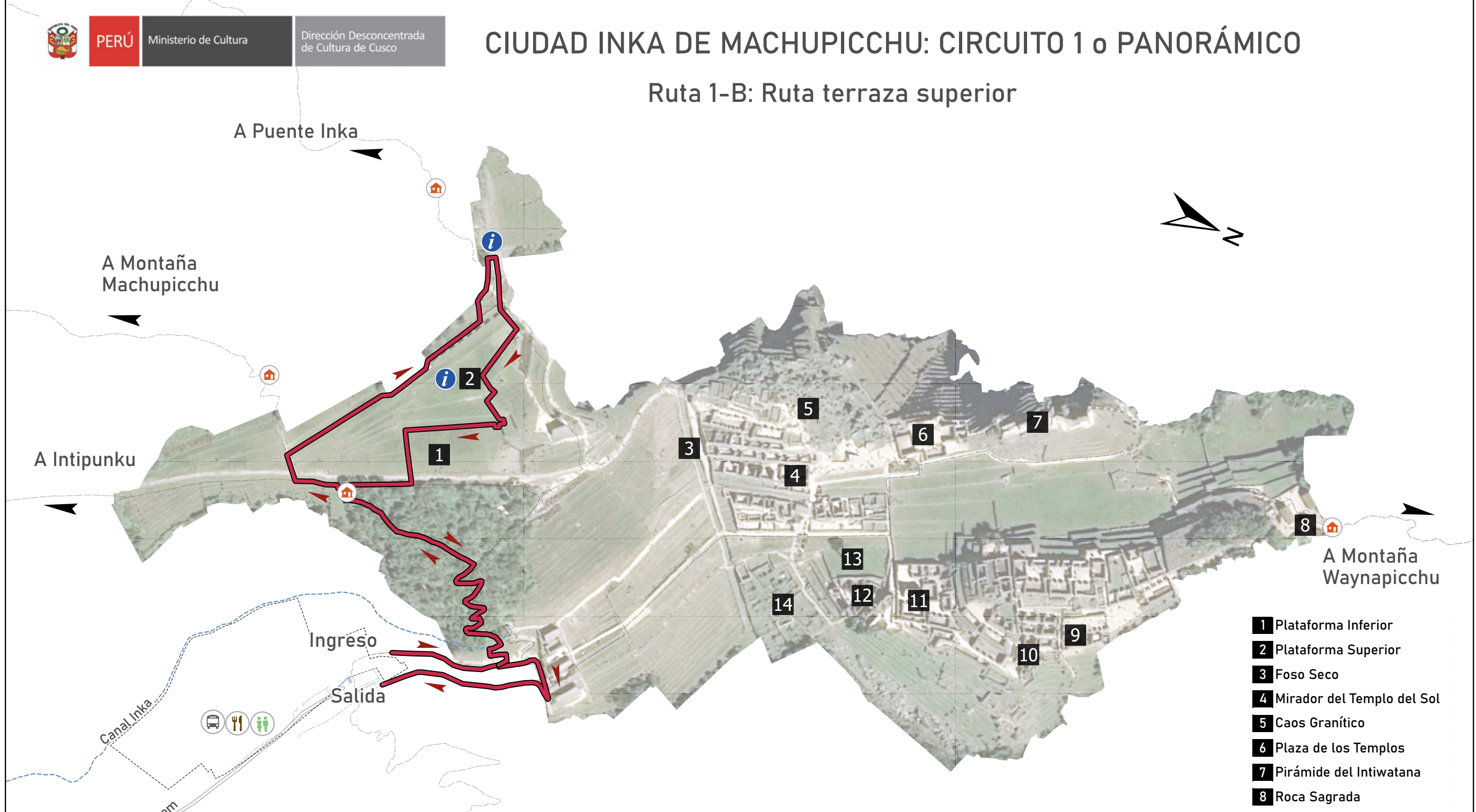
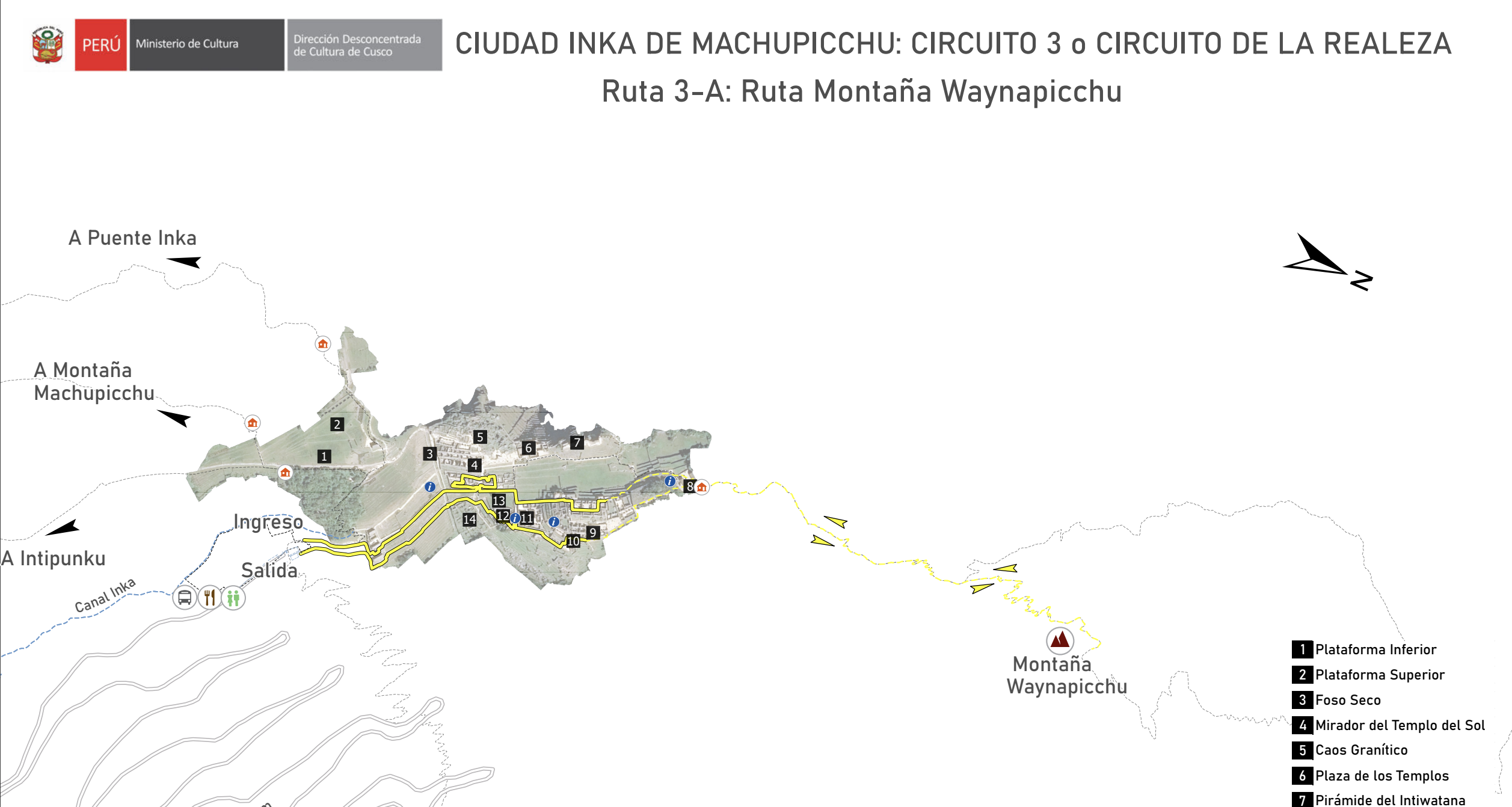
These circuits have options A-D which provide slight modification to the circuit, but I've described the general overview.
Circuit 1 takes you to the photo platforms from circuit 2B, which is the classic panoramic overview. You do not get to enter into the citadel and walk through the buildings. This may be a little disappointing if you had expected to walk through the citadel.
Circuit 3 You do not get the classic panoramic views from the platforms on this trail, but you do get to walk through the lower portion of the citadel. You will get a very comparable panoramic view from the opposite mountain. Circuit 3D includes the option to climb Huayna Picchu, the steep peak rising behind the ruins in every iconic photo. Only 200 tickets are available per day, they sell out months in advance, and the climb is demanding (roughly 45–60 minutes up, very steep). If Huayna Picchu is on your list, treat it as a separate booking that requires as much lead time as the main entry ticket.
Our recommendation: If you cannot get 2A or B tickets, we would recommend Circuit 3 (A-D). This is the best compromise for getting to walk through the citadel while still getting a panoramic view.
Getting to Machu Picchu involves three stages:
- Getting to Ollantaytambo by bus, taxi or colectivo (~2 hours)
- Taking the train to Aguas Calientes (also called Machu Picchu Pueblo) (~2 hours)
- Taking a bus from Aguas Calientes up the mountain to the site entrance (~25 mins)
The cheapest and most local way to get from Cusco to Ollantaytambo is by colectivo, a shared minibus. They depart near the Estacion de colectivos in Cusco and the journey takes about 2 hours. Colectivos run regularly throughout the day and don't require advance booking, just show up and hop on. They cost 15 PEN/$6 CAD per person, so it is a super affordable way to travel. You may have to wait up to 30 minutes for the mini bus to fill up, but we only waited 15 minutes.
Alternatively you can book a transfer from Cusco to Ollantaytambo train station through one of the two train companies. You book this and your train ticket at the same time. Although the entire journey from Cusco to Aguas Calientes appears to be a train, the first potion is actually a bus operated by the train company that drops you off at the train station in Ollantaytambo.
There are two train companies operating the route between Ollantaytambo and Aguas Calientes: IncaRail and Peru Rail. Both are good options, the choice mainly comes down to scheduling.
IncaRail is slightly smaller but equally reliable. They operate the Explorer (standard) and the 360° (premium, with panoramic car). Not all trains have the panoramic car so check before booking if this is what you want. IncaRail has a nicer waiting area with free tea and coffee in Ollantaytambo and newer trains. Overall this is a slightly nicer experience and would be our recommendation. Book direct incarail.com.
Peru Rail is the larger and more established of the two. They operate multiple train classes including the Expedition (economy), Vistadome (panoramic car), and the Hiram Bingham (luxury, all-inclusive). For most travellers, the Expedition or Vistadome is more than sufficient, both have big windows and comfortable seats. Book direct perurail.com.
Our experience: We took the IncaRail Expedition train from Ollantaytambo to Aguas Calientes and back. The train was comfortable, but a bit delayed because it had to stop multiple times to let other trains pass. Most of the route is single track so all trains must stop and manually change the rails to pass. We recommend sitting on the left side of the train on the way there, and the right side on the way back for the best views.
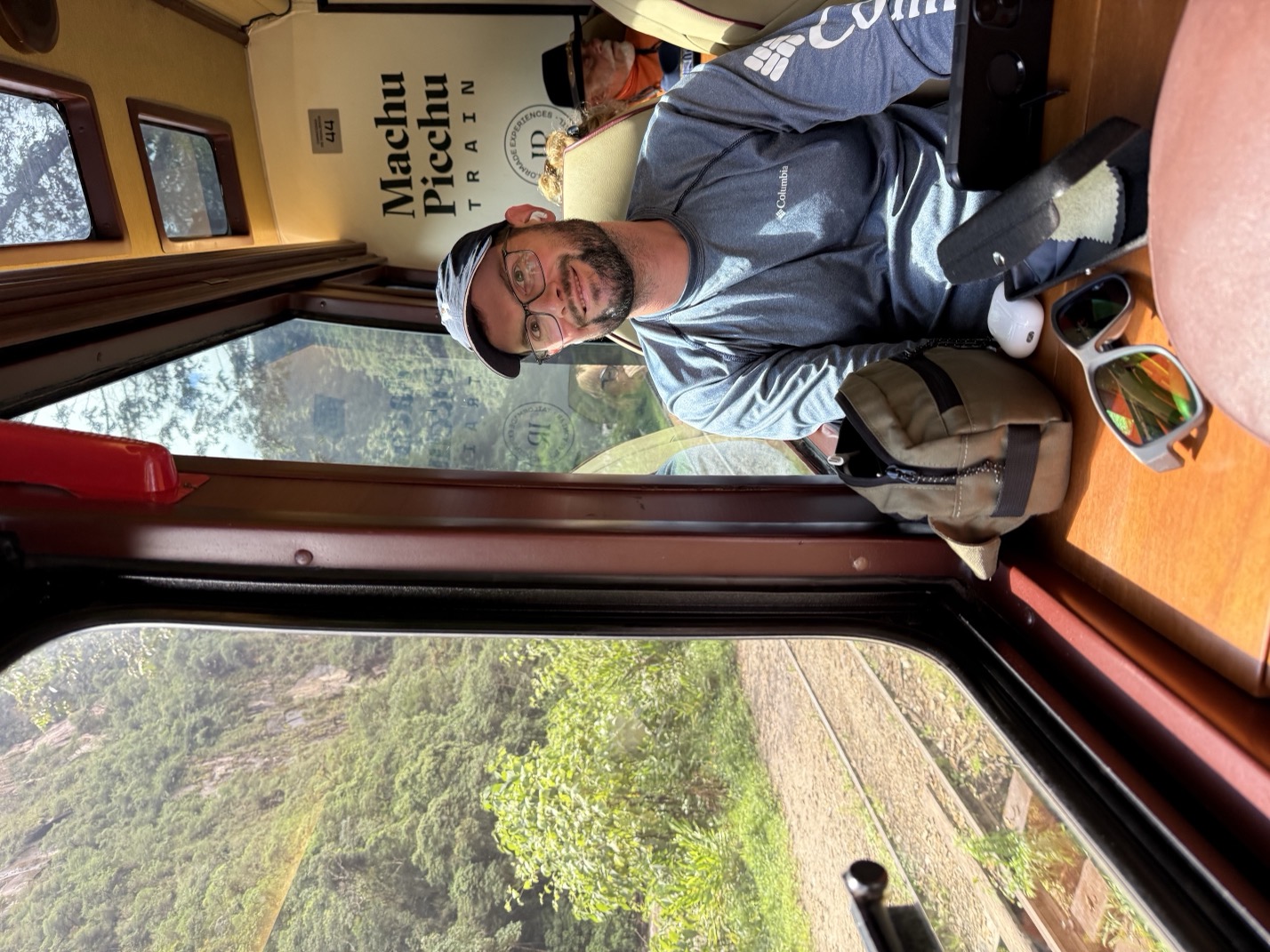
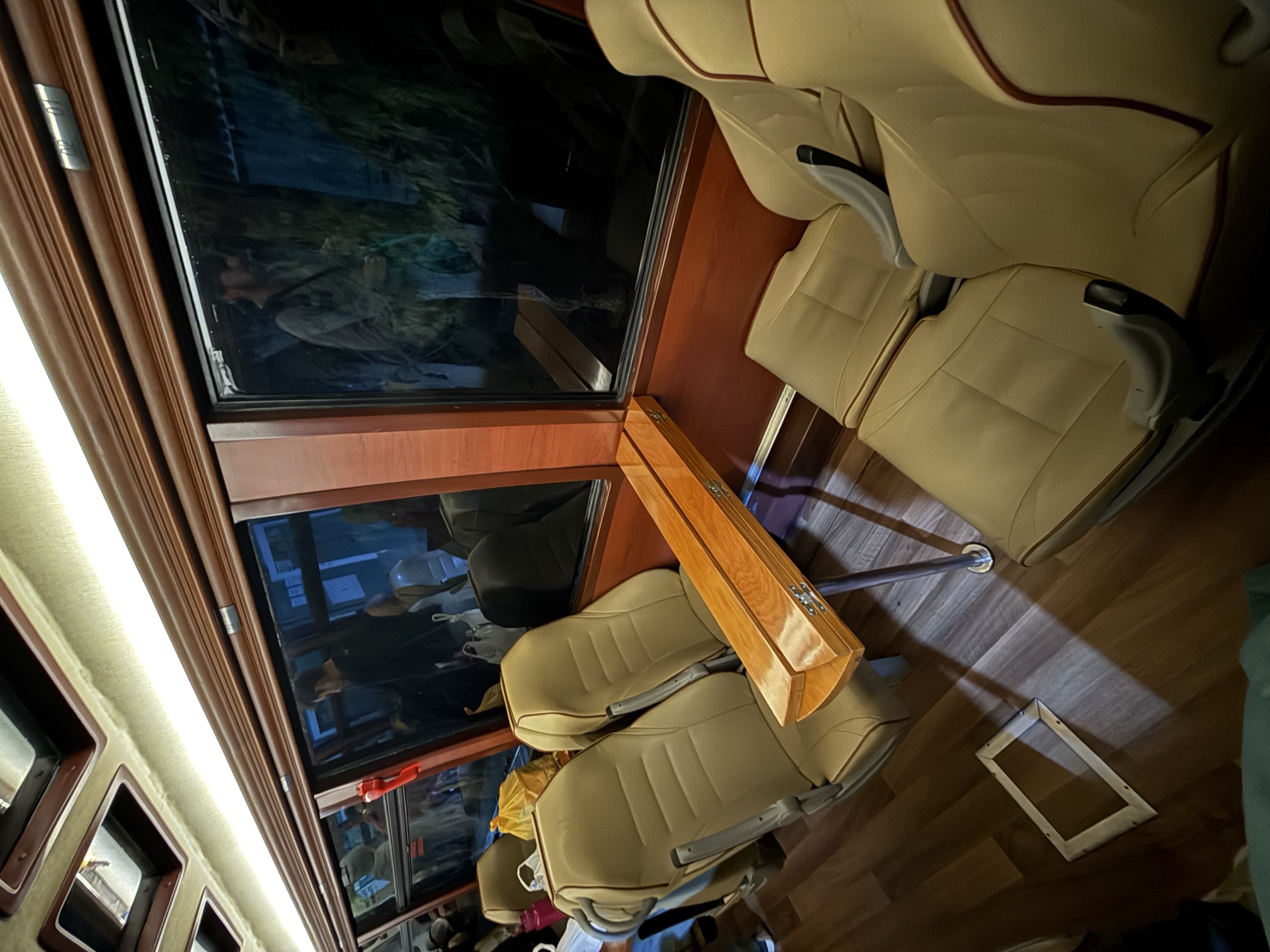
From Aguas Calientes, you have two options to reach the citadel entrance: take the bus or walk.
The bus takes around 25 minutes and departs from a stop right in the centre of town. Tickets cost approximately $30 CAD return per person and can be purchased in advance online or in queues at the bus stop. We recommend buying your bus tickets online in advance to save time.
Alternatively, you can hike up the Hiram Bingham Road on foot, which takes around 2 hours. It's steep and you have to aboid the fast driving busses. We opted for the bus given our early start and energy conservation for the route, which we don't regret.
A guide is not required to enter Machu Picchu, you can explore independently on any circuit. That said, hiring one is genuinely worth it. The site has no interpretive signage, and without context the structures are impressive but a little confusing. A guide will ensure you understand what you're looking at, hear the stories behind the Temple of the Sun, the agricultural terraces, and why the Incas chose this specific ridge.
You have two options:
Book a group tour in advance through your hotel in Aguas Calientes or Ollantaytambo, or through a tour agency in Cusco. Expect to pay around $25–$40 CAD per person for a half-day guided group tour.
Hire a guide at the entrance: there are licensed guides waiting at the bus stop and at the Machu Picchu gate. Rates for a private tour are around $110 CAD for 2 hours. If you are more than 2 people, it quickly becomes cheaper to book a private guide. Make sure your guide is licensed (they should carry an official ID card).
Our experience: We hired a guide at the bus stop in Aguas Calientes the morning of our visit and had a great experience. Our guide spoke excellent English and took us through the main highlights in about 2.5 hours before we continued exploring on our own. We would highly recommend our guide Miguel Angel Jara Jacobo. He was extremely knowlegable and a great storyteller. You can contact him on WhatsApp: +51 993 075 572.
Some hotel links below use affiliate links. We only recommend places we actually stayed.
Cusco is the main hub for visiting Machu Picchu, and it's where most travellers will spend at least a night or two before heading to the mountain. The city itself is charming with its colonial architecture, vibrant markets, and lively plazas. We stayed at CASA CRISTOBAL Centenario and would recommend it. Although a 10 minute walk to the main square, the rooms were very comfortable and the breakfast was great. Unlike many other hotels in Cusco, we did not have any problems with noise coming from the street.
Aguas Calientes is the most common base for visiting Machu Picchu, as it puts you right at the foot of the mountain. Accommodation ranges from budget hostels to comfortable mid-range hotels. We stayed at Hotel Horizonte, only a 5 minute walk to the bus stop. The town itself is small, a little touristy, and built entirely to support tourists visiting the citadel; it's functional and convenient.
We stayed one night here before our early morning entry and found it perfectly adequate. Restaurants are decent but overpriced relative to Cusco.
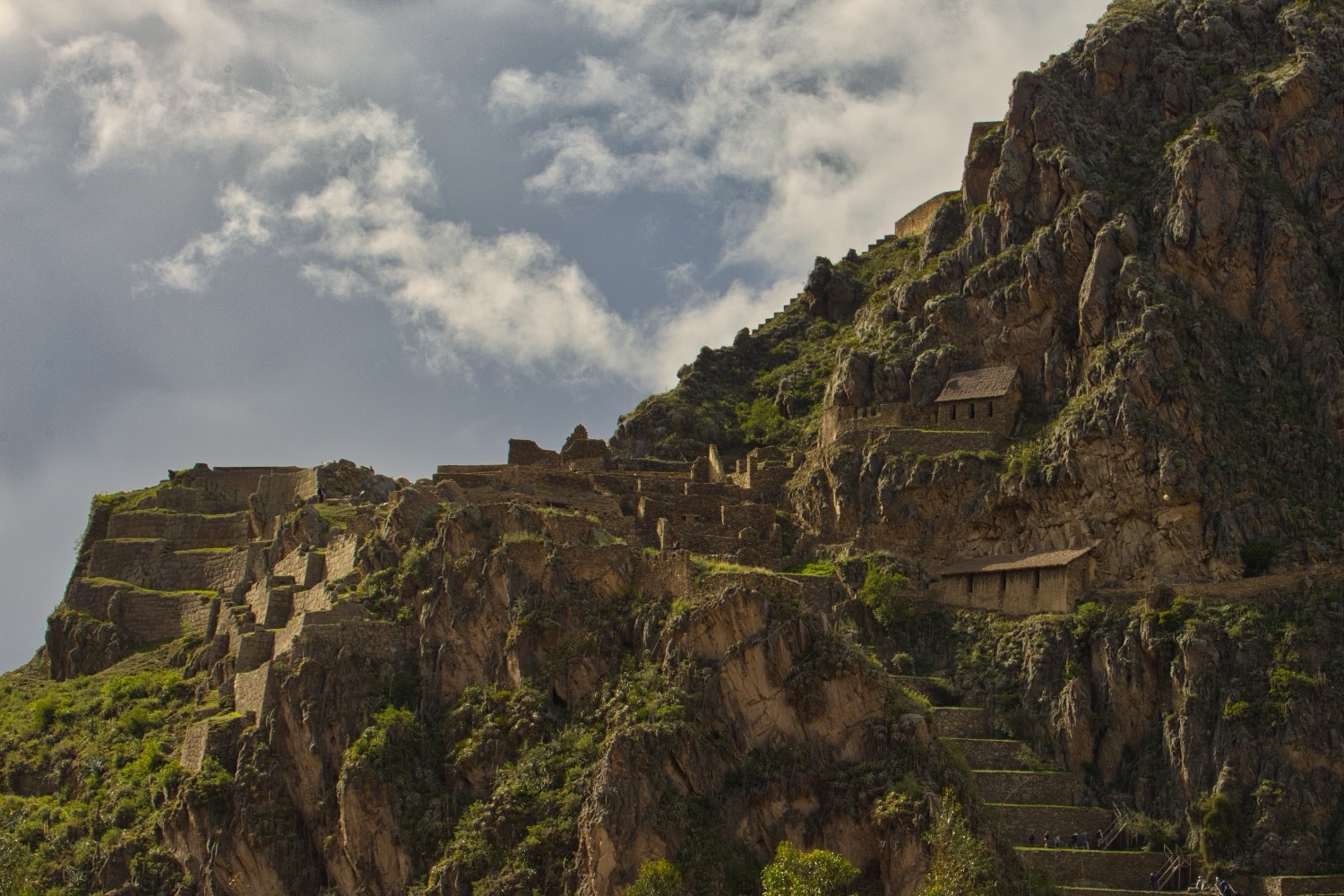
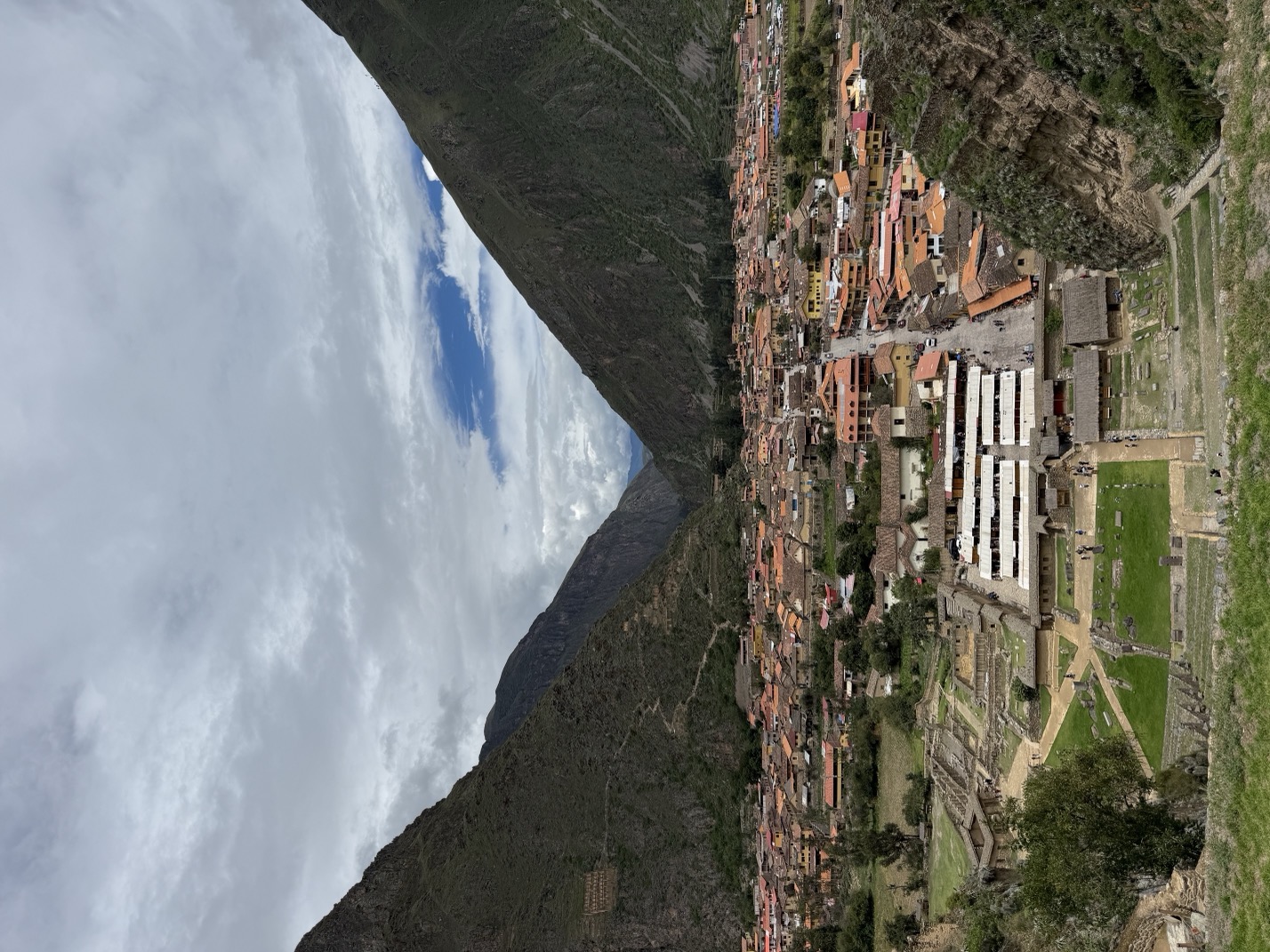
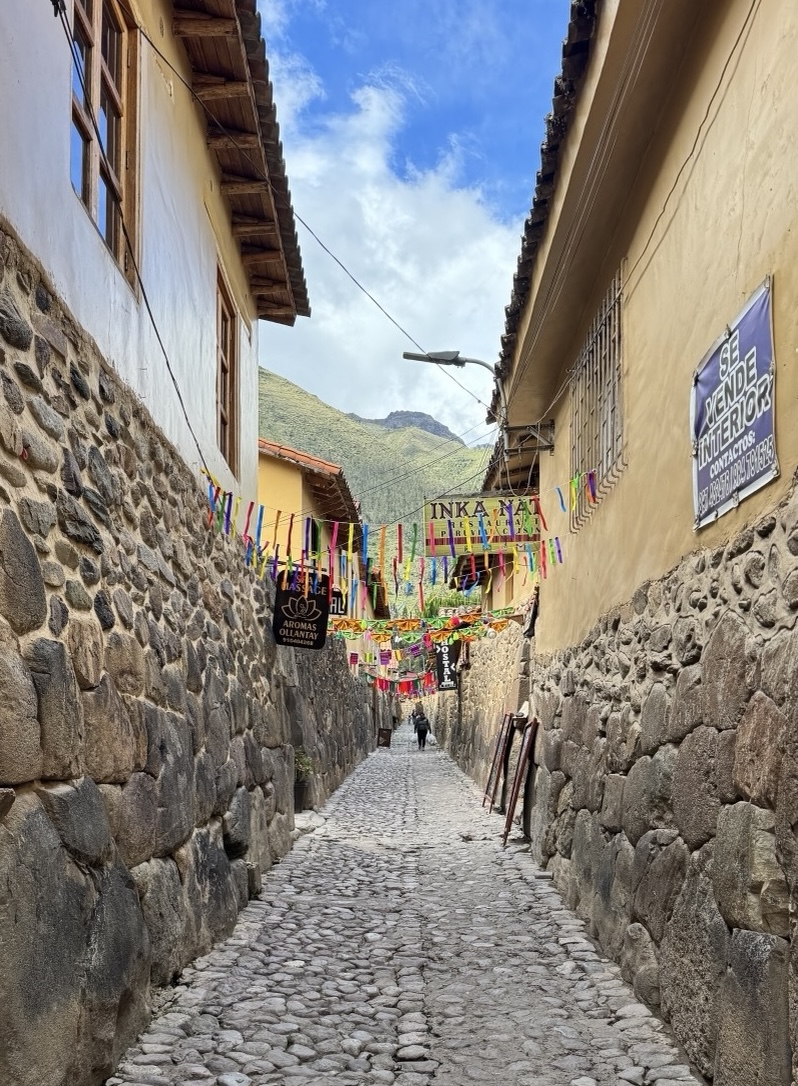
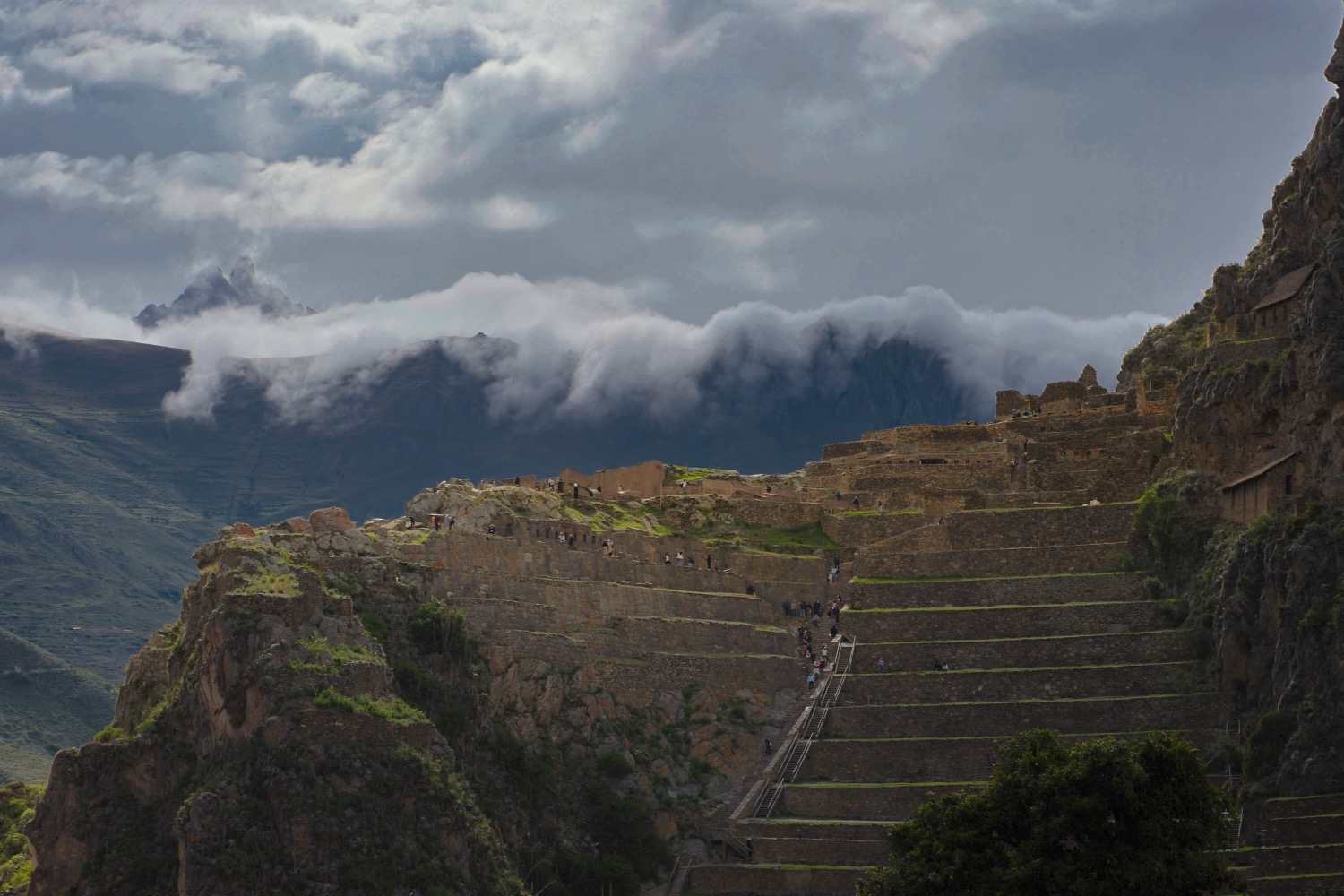
We loved Ollantaytambo and are glad we stayed here one night before returning to Cusco. It's a beautiful Inca town in the Sacred Valley with its own impressive ruins right in the centre, cobblestone streets, and a genuinely local atmosphere. In the evening we had dinner on a rooftop and watch the sunset over the ruins.
We stayed at Hostal El Chasqui and it was super comfortable with a simple breakfast included in the price.
Best for: Clear skies, photography, trekking
This is peak season, and for good reason. Days are generally sunny with minimal rainfall, and the mountains are at their most photogenic. The ruins are crisp and visible, and if you're doing any of the longer treks, dry trails make a huge difference. June to August is the busiest and most expensive window, particularly during Inti Raymi (the Inca Festival of the Sun) in late June, when Cusco gets extremely crowded.
We visited in February, which is firmly in the middle of rainy season. We were lucky and had a beautifully sunny day, and our guide said with climate change, February has become a lot less rainy. The site was noticeably less crowded, accommodation was cheaper, and the Sacred Valley was lush and wonderfully green.
Offers a nice middle ground — fewer crowds than peak season, better weather than the depths of rainy season, and lower prices than June to August.
Early entry is the most significant variable within your control. The 6am and 8am slots are dramatically less crowded than midday entries, and the light is better for photography. By 10–11am, tour groups arriving from Cusco begin filling the popular viewpoints quickly.
If you want the classic panoramic shot without a crowd in the frame, aim for the earliest entry time available for your circuit.
Walking into Machu Picchu on foot is an incredible way to arrive, especially as you descend through the Sun Gate and the citadel reveals itself below you. There are several routes to choose from, each with its own level of difficulty and scenery:
Classic Inca Trail (4 days, 3 nights): The original and most iconic route. 43 kilometres through cloud forest, mountain passes, and Inca ruins before arriving through the Sun Gate at sunrise on the final day. Inca Trail permits are extremely limited (only 500 people per day, including guides and porters) and sell out up to 6 months in advance. Your tour operator will typically include entry into Machu Picchu in the total price. This is a very physically demanding option with a high altitude pass of 4,215 metres. If this is on your bucket list, plan at least 6 months ahead.
Your experience will depend quite heavily on the tour operator you select, so it's worth reading reviews and comparing several tours to avoid disappointment. We've done the Intrepid tour before and had a very positive experience with knowledgeable guides, good food and dependable camping arrangements. Having spoken with folks who went with unknown, cheaper tour operators, stories range from sleepless nights to food poisoning.
Salkantay Trek (5 days, 4 nights): An alternative trekking route that approaches Machu Picchu via the Salkantay Pass (4,600 metres), the highest point on any of the main routes. No permit required, but you do still need to book tickets to enter Machu Picchu. This offers spectacular scenery, and far less crowded than the Inca Trail. This is a popular choice for those who missed out on Inca Trail permits.
This is non-negotiable: spend at least one full day acclimatising in Cusco before doing anything strenuous. Cusco sits at 3,400 metres (11,150 feet) and altitude sickness is extremely common, even in otherwise fit and healthy people. Symptoms include headaches, nausea, shortness of breath, and fatigue. We both felt sluggish and headachy on our first day.
Machu Picchu itself is actually much lower than Cusco at 2,430 metres, so by the time you arrive at the ruins you may feel better than you did in the city. But the bus ride up from Aguas Calientes, the hiking within the site, and any mountain trails will still feel noticeably harder than at sea level.
Tips for acclimatising:
- Arrive in Cusco 1-2 days before your Machu Picchu visit
- Drink plenty of water and avoid alcohol for the first 24 hours
- Coca tea and Muna tea is widely available and many locals swear by it for altitude sickness
- Sleep is important
- Acetazolamide (Diamox) is available and commonly used, but speak to your doctor before your trip
Machu Picchu's weather can change extremely quickly, especially in the rainy season. We went from sunshine to heavy rain and back to sunshine twice in a single morning.
- Waterproof jacket: non-negotiable, especially in rainy season
- Hiking shoes or runners: the paths are uneven stone and can be very slippery when wet. Flip flops and white sneakers are a bad idea.
- Sunscreen and a hat: at altitude, the UV exposure is intense even on cloudy days
- Cash (Peruvian Soles): for paying and tipping your guide
- A small daypack: large bags are not permitted inside the citadel (max 20 litres)
Book tickets, trains, and buses together in one sitting. Once you have your entry ticket date confirmed, book the train that same day before the times you want are gone. It's worth blocking out an hour to sort all three in one go.
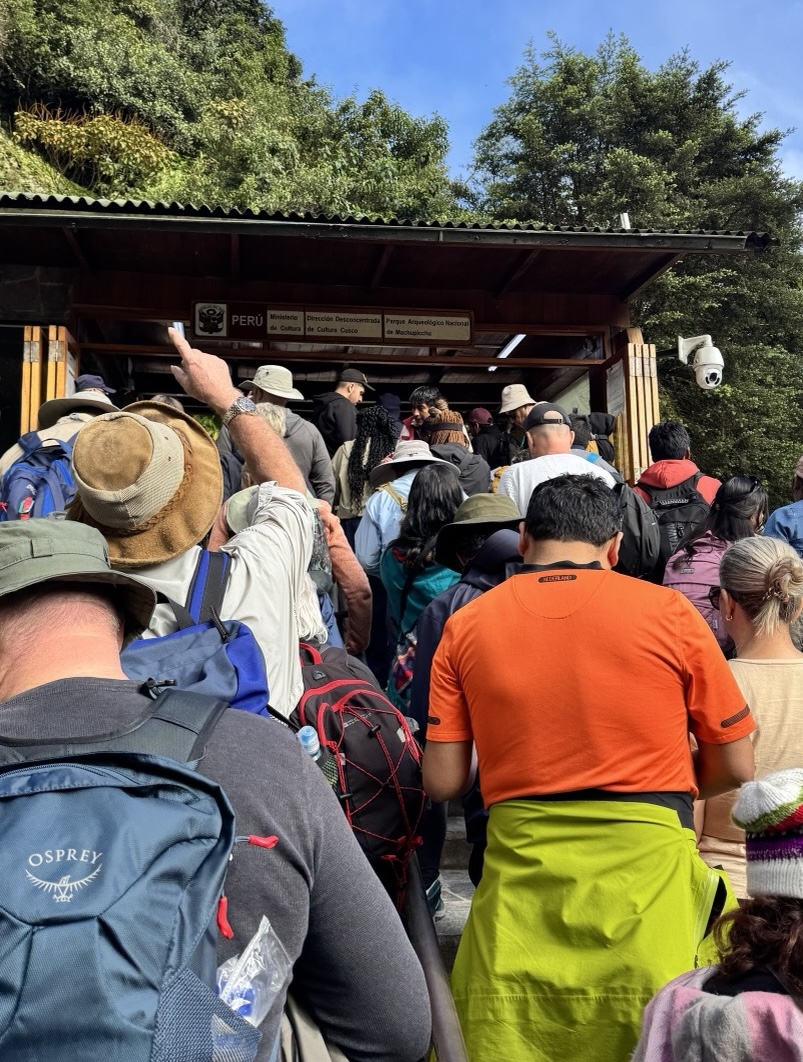
Arrive at the gate before your entry time. The queues to enter can be long, especially for the 6am slot. Aim to be at the gate 20-30 minutes early.
You cannot re-enter once you leave. This is a strict rule. Once you exit the citadel, your ticket is finished. Plan your time inside accordingly, especially if you want to hike to the Sun Gate or a mountain.